


Hey there! As a supplier of Rescue Mobile Drainage Pumps, I often get asked about the maximum suction depth of these life - saving machines. It's a crucial question, especially when it comes to emergency situations where every second and every drop of water matters.
Let's start by understanding what suction depth means in the context of a rescue mobile drainage pump. Suction depth refers to the vertical distance from the water source to the centerline of the pump's impeller. In simpler terms, it's how far up the pump can "pull" water.
The maximum suction depth of a rescue mobile drainage pump isn't a one - size - fits - all number. It depends on several factors, and I'll break them down for you.
Factors Affecting Suction Depth
Atmospheric Pressure
Atmospheric pressure plays a huge role in determining the maximum suction depth. At sea level, the standard atmospheric pressure is about 101.3 kPa. This pressure is what allows the pump to lift water. In theory, based on the laws of physics, the maximum height water can be lifted by atmospheric pressure alone is around 10.3 meters (33.8 feet). But in real - world scenarios, we never reach this ideal number. Why? Well, there are other factors at play.
Pump Design and Efficiency
The design of the pump itself is a major factor. Different types of pumps have different suction capabilities. For example, centrifugal pumps, which are commonly used in rescue mobile drainage pumps, rely on the rotation of an impeller to create a vacuum and draw water in. The size, shape, and speed of the impeller all affect how well the pump can suck in water. A well - designed impeller with a high - efficiency design can increase the suction depth. Also, the quality of the pump's seals and valves matters. Leaky seals or malfunctioning valves can reduce the suction pressure and limit the suction depth.
Water Temperature and Vapor Pressure
Water temperature can have a surprising impact on suction depth. As water temperature increases, its vapor pressure also increases. When the vapor pressure of the water reaches the pressure inside the suction pipe of the pump, the water starts to boil (even at normal temperatures). This phenomenon is called cavitation. Cavitation not only reduces the pump's efficiency but can also damage the pump over time. So, in warmer water, the maximum suction depth is generally lower compared to colder water.
Pipe Friction
The pipes used to connect the pump to the water source also affect suction depth. The longer and narrower the pipes, the more friction there is. Friction in the pipes reduces the pressure available to lift the water. So, if you're using long or small - diameter pipes, the maximum suction depth of the pump will be less than if you use shorter, wider pipes.
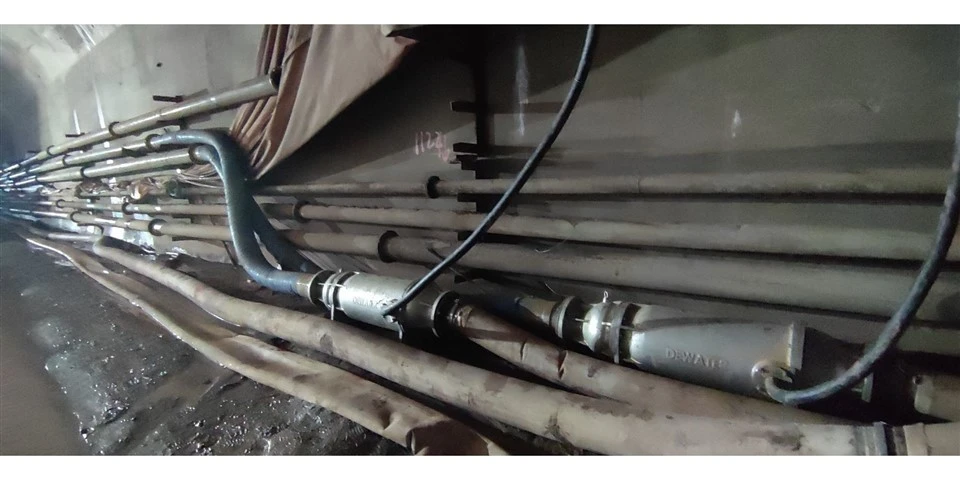

Typical Maximum Suction Depths
In most rescue mobile drainage pumps, the practical maximum suction depth ranges from 6 to 8 meters (19.7 to 26.2 feet). This range takes into account all the real - world factors I mentioned earlier. Some high - performance pumps can achieve slightly higher suction depths, but they are usually more expensive and require more maintenance.
For example, our Mobile Flood Relief Systems are designed to handle a variety of flood situations. These pumps have a good balance between suction depth and flow rate. They can typically achieve a suction depth of around 7 meters (23 feet), which is sufficient for most flood - related rescue operations.
Our Underground Narrow Space Drainage pumps are specifically designed for tight spaces. Due to the constraints of the space and the need for a more compact design, the suction depth might be a bit lower, around 6 meters (19.7 feet). But they are extremely effective in getting water out of those hard - to - reach places.
And when it comes to Mine Flooded Drainage Rescue Equipment, the pumps need to be robust and reliable. These pumps can usually achieve a suction depth of up to 8 meters (26.2 feet), which is crucial for quickly draining flooded mines and saving lives.
Measuring and Testing Suction Depth
When we manufacture these rescue mobile drainage pumps, we conduct rigorous testing to determine their maximum suction depth. We use specialized equipment to measure the pressure and flow rate at different suction depths. This helps us ensure that our pumps meet the required standards and perform well in real - world situations.
During the testing process, we simulate different conditions, such as varying water temperatures and pipe lengths. We also test the pumps with different types of water, including dirty and muddy water, as this is what they are likely to encounter in rescue operations.
Importance of Suction Depth in Rescue Operations
In rescue operations, the suction depth of a pump can be a matter of life and death. In flood - affected areas, quick and efficient water removal is essential to prevent further damage to property and to save lives. A pump with a higher suction depth can reach water that is deeper or in hard - to - reach places.
In underground rescue operations, such as in mines or tunnels, the ability to suck water from a greater depth can help in quickly draining the flooded areas and creating a safe environment for the rescue teams and the trapped people.
Tips for Maximizing Suction Depth
If you're using a rescue mobile drainage pump, there are a few things you can do to maximize its suction depth:
- Use the Right Pipes: As I mentioned earlier, use short and wide pipes to reduce friction. Also, make sure the pipes are in good condition and free from blockages.
- Keep the Water Cool: If possible, try to use the pump with cooler water. This can help prevent cavitation and improve the pump's suction performance.
- Maintain the Pump Regularly: Regular maintenance, including checking the seals, valves, and impeller, is crucial. A well - maintained pump will perform better and have a higher suction depth.
Conclusion
So, there you have it! The maximum suction depth of a rescue mobile drainage pump is a complex topic that depends on several factors. While the theoretical maximum is around 10.3 meters, in real - world scenarios, we typically see practical suction depths ranging from 6 to 8 meters.
As a supplier of these essential pumps, we are committed to providing high - quality products that meet the needs of rescue operations. If you're in the market for a rescue mobile drainage pump or have any questions about suction depth or our products, don't hesitate to reach out. We're here to help you make the right choice for your specific needs. Whether it's for flood relief, underground drainage, or mine rescue, we've got the pumps you need. Let's work together to make rescue operations more efficient and save more lives.
References
- Fluid Mechanics textbooks
- Manufacturer's specifications and technical data sheets for rescue mobile drainage pumps
- Industry research papers on pump performance and suction capabilities