


As a supplier of Mobile Drainage Pump Stations, I've witnessed firsthand the critical role that diesel - powered systems play in these stations. The fuel system of a diesel - powered mobile drainage pump station is a complex and vital component that must meet several key requirements to ensure optimal performance, reliability, and safety.
Fuel Quality and Compatibility
The first and foremost requirement for the fuel system is the use of high - quality diesel fuel. Diesel fuel should meet the relevant standards such as ASTM D975 in the United States or EN 590 in Europe. These standards specify the physical and chemical properties of diesel fuel, including cetane number, sulfur content, viscosity, and density.
A high cetane number is crucial as it determines the ignition quality of the fuel. A higher cetane number means the fuel ignites more readily, leading to smoother engine operation, reduced emissions, and better fuel efficiency. For a mobile drainage pump station, which may need to start up quickly in emergency situations, a fuel with a high cetane number is essential.
Sulfur content is another important factor. Low - sulfur diesel (LSD) or ultra - low - sulfur diesel (ULSD) is preferred. High - sulfur diesel can cause increased wear and tear on the engine components, especially the fuel injection system, and also contribute to environmental pollution.

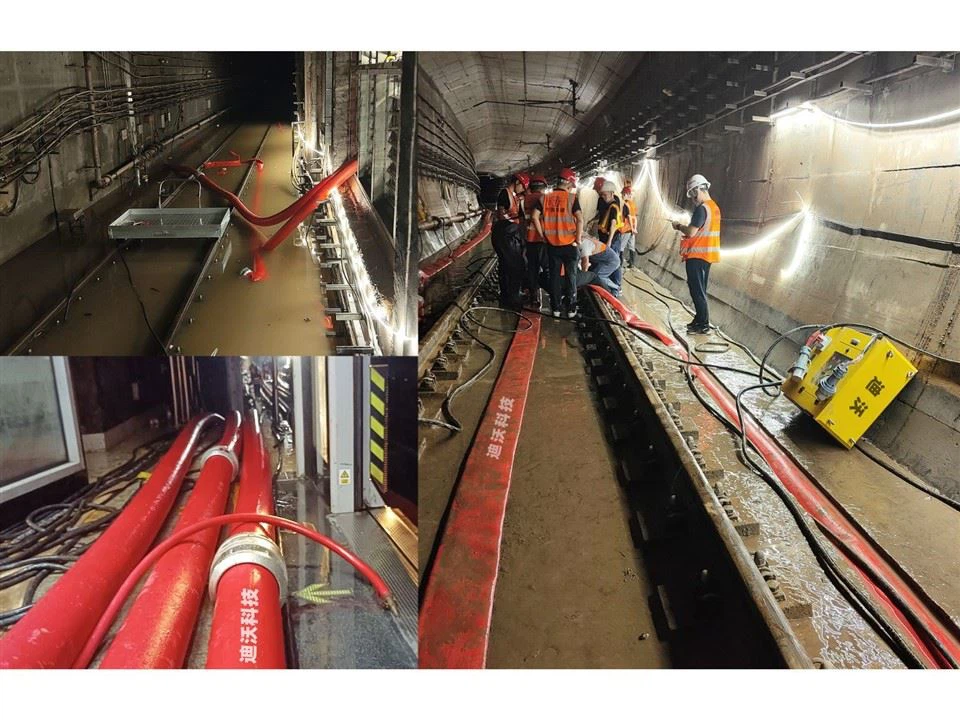
The fuel system must also be compatible with the type of diesel fuel used. Some modern diesel engines are designed to run on bio - diesel blends, which are a mixture of traditional diesel and renewable bio - fuels. However, not all fuel systems can handle these blends, so it's important to ensure that the fuel system is designed to be compatible with the specific fuel type.
Fuel Storage and Delivery
Proper fuel storage is essential for the reliable operation of the diesel - powered mobile drainage pump station. The fuel tank should be made of a material that is resistant to corrosion, such as stainless steel or high - density polyethylene. It should also be designed to prevent the entry of water and contaminants, which can cause damage to the fuel system and engine.
The fuel tank should have a sufficient capacity to meet the operational requirements of the pump station. For mobile drainage pump stations, which may need to operate for extended periods in remote locations, a larger fuel tank is often necessary. Additionally, the fuel tank should be equipped with a level gauge to monitor the fuel level and prevent running out of fuel during operation.
The fuel delivery system is responsible for transporting the fuel from the tank to the engine. It typically consists of a fuel pump, fuel lines, and a fuel filter. The fuel pump should be able to provide a consistent and adequate flow of fuel to the engine under all operating conditions. The fuel lines should be made of a durable material that can withstand the pressure and temperature of the fuel.
The fuel filter is a critical component of the fuel delivery system. It removes contaminants such as dirt, rust, and water from the fuel before it reaches the engine. A clogged fuel filter can restrict the flow of fuel, leading to reduced engine performance and potential damage to the fuel injection system. Therefore, regular maintenance and replacement of the fuel filter are essential.
Fuel Injection System
The fuel injection system is the heart of the diesel engine in a mobile drainage pump station. It is responsible for precisely metering and injecting the fuel into the combustion chamber at the right time and in the right quantity.
There are several types of fuel injection systems, including mechanical, electronic, and common - rail systems. Electronic and common - rail systems offer better control and precision compared to mechanical systems. They can adjust the fuel injection timing and quantity based on the engine's operating conditions, resulting in improved fuel efficiency, reduced emissions, and better engine performance.
The fuel injectors themselves must be of high quality and precision. They should be able to atomize the fuel into fine droplets for efficient combustion. A malfunctioning fuel injector can cause poor engine performance, increased fuel consumption, and higher emissions.
Safety and Environmental Considerations
Safety is a top priority when it comes to the fuel system of a diesel - powered mobile drainage pump station. The fuel system should be designed to prevent fuel leaks, which can pose a fire hazard. All fuel connections should be properly sealed, and the fuel tank should be equipped with a venting system to prevent over - pressurization.
In addition to safety, environmental considerations are also important. Diesel engines emit pollutants such as nitrogen oxides (NOx), particulate matter (PM), and carbon monoxide (CO). To meet environmental regulations, the fuel system should be designed to minimize these emissions. This can be achieved through the use of advanced engine technologies, such as exhaust gas recirculation (EGR) and selective catalytic reduction (SCR).
Maintenance and Serviceability
The fuel system of a diesel - powered mobile drainage pump station requires regular maintenance to ensure its reliable operation. This includes checking the fuel level, inspecting the fuel lines for leaks, and replacing the fuel filter at regular intervals.
The fuel system should also be designed to be easily serviceable. Components such as the fuel filter and fuel pump should be accessible for maintenance and replacement. This reduces downtime and ensures that the pump station can be quickly returned to service in case of a breakdown.
Conclusion
In conclusion, the fuel system of a diesel - powered mobile drainage pump station must meet several key requirements to ensure optimal performance, reliability, and safety. These requirements include fuel quality and compatibility, proper fuel storage and delivery, a high - performance fuel injection system, safety and environmental considerations, and ease of maintenance.
As a supplier of Mobile Drainage Pump Stations, we understand the importance of these requirements and strive to provide our customers with fuel systems that meet the highest standards. Our Flood Control Pump Truck, Drought Relief Drainage Pump Truck, and Mobile Flood Pump Trailer are all equipped with state - of - the - art fuel systems that are designed to meet the demanding requirements of our customers.
If you are in the market for a mobile drainage pump station, we invite you to contact us for more information and to discuss your specific needs. Our team of experts is ready to assist you in selecting the right pump station and fuel system for your application.
References
- "Diesel Engine Fundamentals" by John B. Heywood
- ASTM D975 - Standard Specification for Diesel Fuel Oils
- EN 590 - Automotive fuels - Diesel - Requirements and test methods