


What is the startup process of a mobile pumping station?
As a supplier of mobile pumping stations, I've witnessed firsthand the crucial role these units play in various industries, from flood control to construction dewatering. In this blog, I'll walk you through the startup process of a mobile pumping station, providing insights into the steps involved and highlighting the importance of each stage.
Pre - startup Checks
Before starting a mobile pumping station, a series of pre - startup checks are essential to ensure the safety and efficiency of the operation.
Physical Inspection
First, conduct a thorough physical inspection of the entire pumping station. Check for any visible signs of damage, such as cracks in the pump housing, loose fittings, or leaks in the hoses and pipes. Examine the trailer or vehicle on which the pumping station is mounted. Ensure that the tires are properly inflated, and the brakes are in good working condition. If it's a trailer - mounted pumping station, check the hitch and coupling to make sure they are secure.
Fluid Levels
Check the engine oil level. Low oil levels can cause excessive wear and tear on the engine, leading to potential breakdowns. Also, check the coolant level in the radiator. The coolant helps to keep the engine at an optimal operating temperature. In addition, make sure there is an adequate supply of fuel in the tank. Running out of fuel during operation can be not only inconvenient but also cause damage to the pump and engine.
Electrical System
Inspect the electrical system. Check the battery connections to ensure they are clean and tight. A weak or dead battery can prevent the engine from starting. Test the lights, including the headlights, taillights, and turn signals, if the pumping station is mobile and road - legal. Also, check the control panel for any error messages or warning lights.
Starting the Engine
Once the pre - startup checks are complete, it's time to start the engine.
Prime the Fuel System
If the pumping station has a diesel engine, you may need to prime the fuel system. This involves using a hand primer pump to remove any air from the fuel lines and ensure a continuous flow of fuel to the engine. Follow the manufacturer's instructions carefully when priming the fuel system.
Start the Engine
Turn the ignition key or press the start button, depending on the type of engine. If the engine doesn't start on the first try, wait a few seconds before attempting to start it again. Avoid over - cranking the engine, as this can damage the starter motor.
Warm - up the Engine
After the engine starts, let it idle for a few minutes to warm up. This allows the engine oil to circulate properly and the engine components to reach their optimal operating temperature. During the warm - up period, listen for any unusual noises or vibrations. If you notice anything abnormal, shut down the engine immediately and investigate the cause.
Pump Priming
Once the engine is running and warmed up, it's time to prime the pump.
Open the Suction and Discharge Valves
Make sure the suction and discharge valves are open. The suction valve allows water to enter the pump, while the discharge valve allows the pumped water to exit.
Fill the Pump with Water
If the pump is a self - priming pump, it may be able to prime itself. However, in some cases, you may need to manually fill the pump with water to create a vacuum. This can be done by removing the priming plug and pouring water into the pump until it is full. Replace the priming plug once the pump is filled.
Start the Pump
Once the pump is primed, start the pump. Monitor the pressure gauge on the control panel to ensure that the pump is operating at the correct pressure. If the pressure is too high or too low, adjust the throttle or the valve settings accordingly.
Monitoring and Operation
During the operation of the mobile pumping station, continuous monitoring is crucial.
Monitor the Engine
Keep an eye on the engine temperature, oil pressure, and fuel level. If the engine temperature rises too high or the oil pressure drops, it could indicate a problem. Stop the pump and engine immediately and take appropriate action.
Monitor the Pump
Check the flow rate and pressure of the pumped water. If the flow rate is too low or the pressure is inconsistent, there may be a blockage in the suction or discharge lines. Inspect the lines for any obstructions and clear them if necessary.
Check for Leaks
Regularly check for leaks in the hoses, pipes, and pump housing. Even a small leak can lead to a significant loss of water and reduce the efficiency of the pumping station. If you notice a leak, shut down the pump and repair it as soon as possible.
Shutting Down the Pumping Station
When the pumping operation is complete, it's important to shut down the pumping station properly.
Stop the Pump
First, stop the pump by turning off the power switch or throttle. This will stop the flow of water through the pump.
Close the Valves
Close the suction and discharge valves to prevent water from flowing back into the pump.
Shut down the Engine
Let the engine idle for a few minutes to cool down before shutting it off. This helps to prevent damage to the engine components.
Perform Post - shutdown Checks
After shutting down the engine, perform a post - shutdown check. Check for any signs of damage or leaks that may have occurred during the operation. Store the pumping station in a dry and secure location.

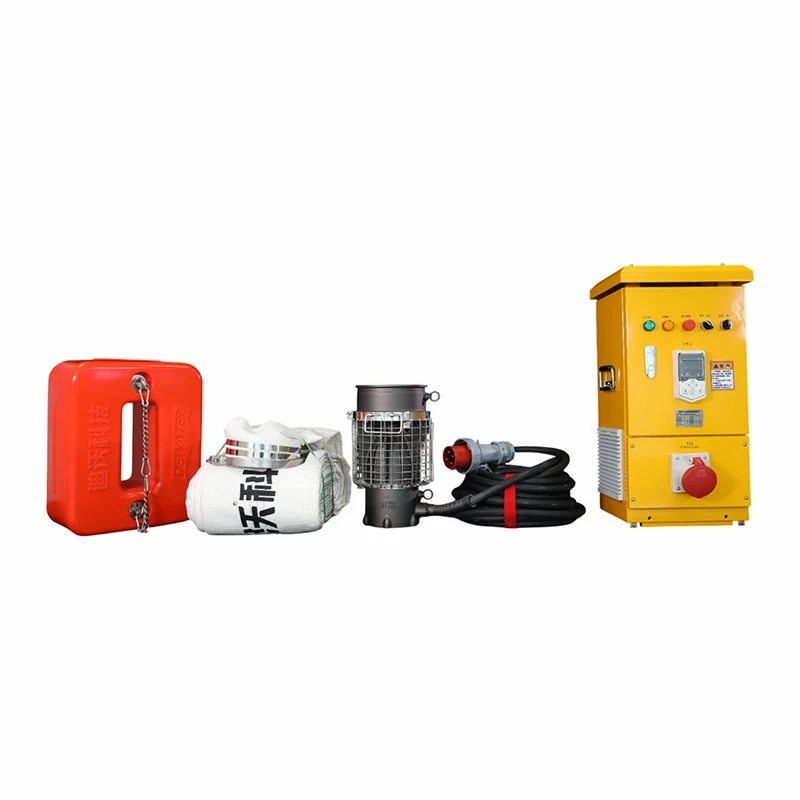
Related Products
If you are interested in mobile pumping stations, we offer a range of products to meet your needs. You can check out our Mobile Flood Pump Trailer, Light Duty Rescue Pump Trucks, and Emergency Water Rescue Pickup.
If you have any questions about our mobile pumping stations or would like to discuss a potential purchase, please feel free to reach out. We are here to provide you with the best solutions for your pumping needs.
References
- Manufacturer's manuals for mobile pumping stations
- Industry standards and guidelines for pump operation and maintenance