


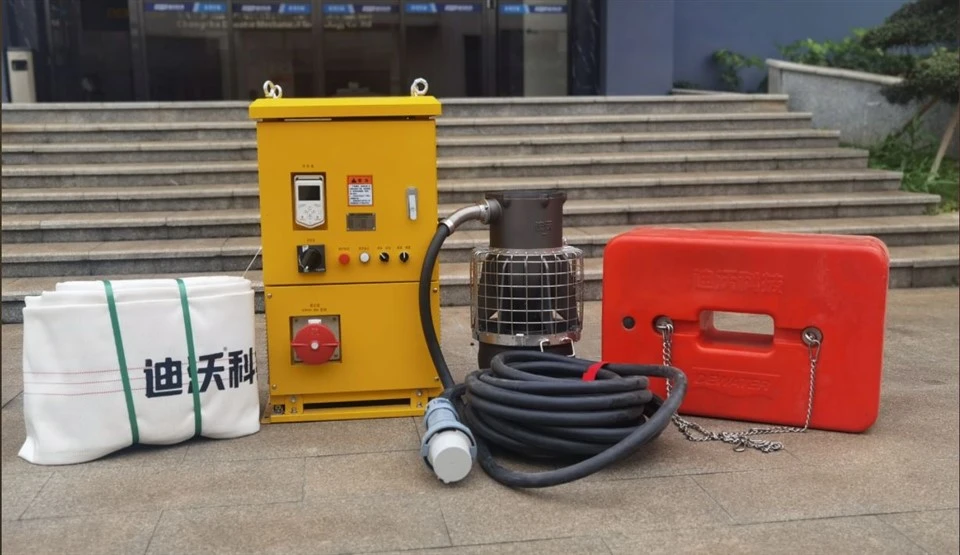
When it comes to rescue mobile drainage pumps, selecting the right hoses is crucial for ensuring efficient and effective operation. As a reputable supplier of Rescue Mobile Drainage Pumps, I understand the significance of making the correct hose choices. In this blog, I will share some key factors to consider when choosing hoses for your rescue mobile drainage pump.
Flow Rate and Capacity
The first and most important factor to consider is the flow rate and capacity of the hose. The hose should be able to handle the volume of water that the pump can deliver. If the hose has a lower flow rate than the pump, it can cause a bottleneck, reducing the overall efficiency of the system. On the other hand, if the hose is too large, it can lead to unnecessary costs and may not fit properly with the pump.
To determine the appropriate flow rate, you need to know the maximum flow rate of your rescue mobile drainage pump. This information can usually be found in the pump's specifications. Once you have this value, you can select a hose with a flow rate that is equal to or slightly higher than the pump's maximum flow rate.
Hose Diameter
The diameter of the hose also plays a significant role in the performance of the drainage system. A larger diameter hose allows for a higher flow rate, but it may also be heavier and more difficult to handle. A smaller diameter hose, on the other hand, is lighter and more flexible, but it may not be able to handle as much water.
When choosing the hose diameter, you need to consider the distance the water needs to be pumped and the type of terrain. For shorter distances and flat terrain, a smaller diameter hose may be sufficient. However, for longer distances or hilly terrain, a larger diameter hose may be necessary to maintain the flow rate.
Hose Material
The material of the hose is another important consideration. Different materials have different properties, such as flexibility, durability, and resistance to chemicals and abrasion.
- Rubber Hoses: Rubber hoses are a popular choice for rescue mobile drainage pumps because they are flexible, durable, and resistant to abrasion. They can withstand high pressures and are suitable for a wide range of applications. However, rubber hoses can be heavy and may require more storage space.
- PVC Hoses: PVC hoses are lightweight, flexible, and relatively inexpensive. They are suitable for applications where the pressure is not too high and the water is clean. However, PVC hoses may not be as durable as rubber hoses and may be more prone to damage.
- Thermoplastic Hoses: Thermoplastic hoses are a newer type of hose that combines the advantages of rubber and PVC hoses. They are lightweight, flexible, and durable, and they can withstand high pressures. Thermoplastic hoses are also resistant to chemicals and abrasion, making them suitable for a wide range of applications.
Hose Length
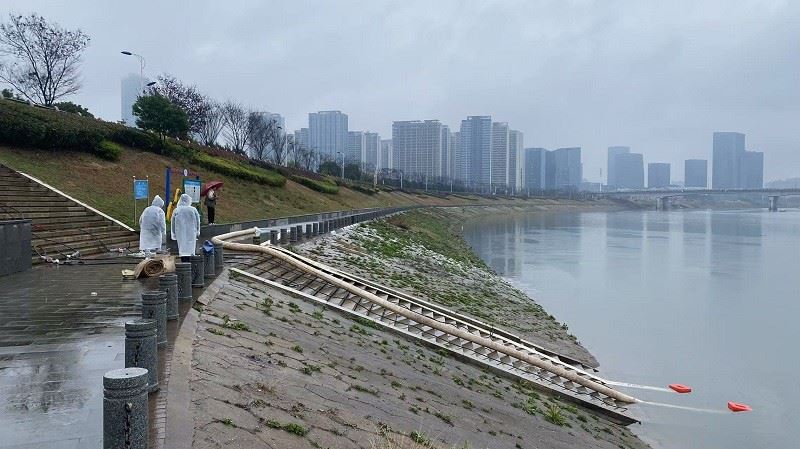
The length of the hose is also an important factor to consider. The longer the hose, the more friction there will be, which can reduce the flow rate and increase the pressure drop. Therefore, it is important to choose the shortest hose possible while still meeting the requirements of the application.
If you need to pump water over a long distance, you may need to use multiple hoses connected together. In this case, it is important to ensure that the connections between the hoses are tight and leak-free to prevent any loss of pressure.
Hose Fittings
The fittings on the hose are also important for ensuring a proper connection between the hose and the pump. There are different types of fittings available, such as threaded fittings, camlock fittings, and quick-connect fittings.
- Threaded Fittings: Threaded fittings are the most common type of fitting used for hoses. They are easy to install and provide a secure connection. However, they can be time-consuming to install and may require the use of tools.
- Camlock Fittings: Camlock fittings are a type of quick-connect fitting that is easy to install and remove. They are commonly used in applications where the hose needs to be connected and disconnected frequently. However, camlock fittings may not provide as secure a connection as threaded fittings.
- Quick-Connect Fittings: Quick-connect fittings are similar to camlock fittings, but they are designed to provide a more secure connection. They are commonly used in applications where the pressure is high or the hose needs to be connected and disconnected quickly.
Compatibility with the Pump
Finally, it is important to ensure that the hose is compatible with the rescue mobile drainage pump. The hose should have the correct fittings and be able to handle the pressure and flow rate of the pump.
Before purchasing a hose, it is a good idea to consult the pump manufacturer's specifications to ensure that the hose is compatible with the pump. You may also want to consider purchasing a hose from the same manufacturer as the pump to ensure compatibility.
Conclusion
Choosing the right hoses for a rescue mobile drainage pump is essential for ensuring efficient and effective operation. By considering factors such as flow rate, hose diameter, hose material, hose length, hose fittings, and compatibility with the pump, you can select the hoses that are best suited for your application.
If you are in the market for a rescue mobile drainage pump or need help choosing the right hoses, please feel free to contact us. We are a leading supplier of Rescue Mobile Drainage Pumps and can provide you with expert advice and high-quality products. Our product range includes Submersible Pump For Flood Control, Seawater Backfilling Drainage Pump, and Traction Large Flow Pump.
We look forward to working with you to meet your drainage needs.
References
- Manufacturer's specifications of rescue mobile drainage pumps
- Industry standards and guidelines for hose selection