



Hey there! As a supplier of drainage pump vehicles, I often get asked about the maximum head of these machines. It's a crucial factor that can make or break a project, so let's dive right in and explore this topic in detail.
First off, what exactly is the "head" of a drainage pump vehicle? In simple terms, head refers to the height that a pump can lift water vertically. It's measured in meters or feet and represents the total energy required to move water from the source to the discharge point. The maximum head of a drainage pump vehicle is the highest vertical distance it can lift water under ideal conditions.
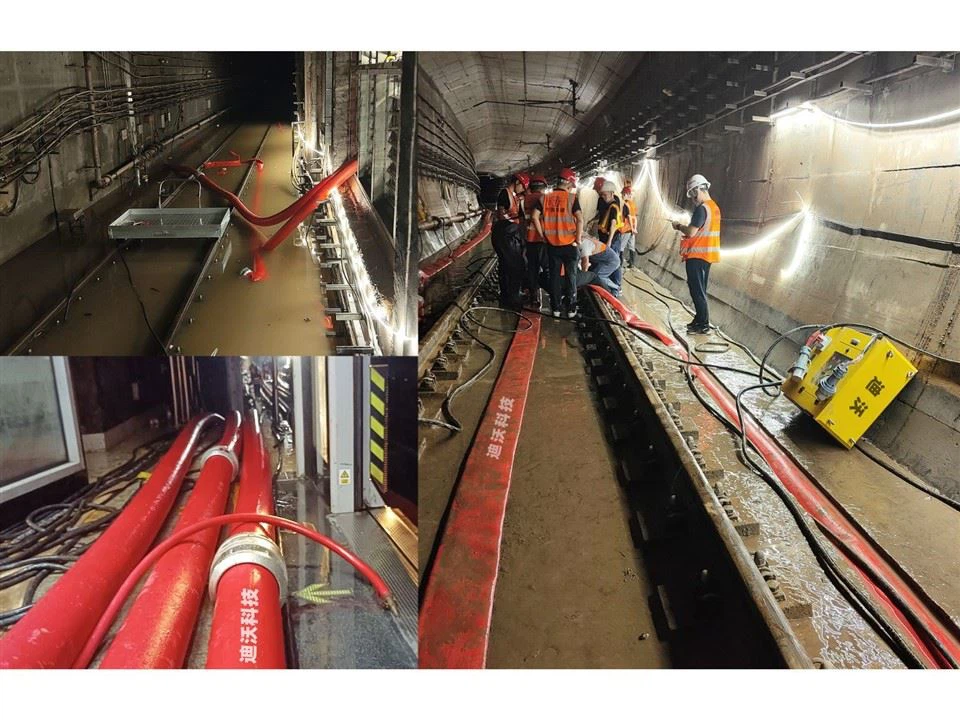
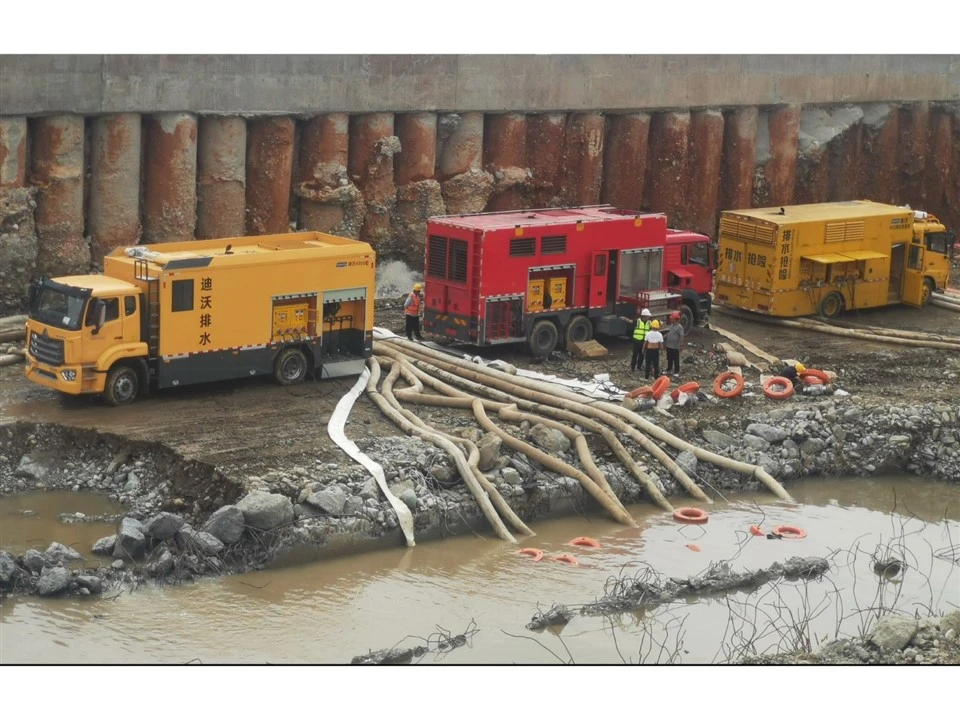
There are several factors that can affect the maximum head of a drainage pump vehicle. One of the most important is the pump's design and specifications. Different types of pumps, such as centrifugal pumps and positive displacement pumps, have different capabilities when it comes to head. Centrifugal pumps are commonly used in drainage pump vehicles because they can handle large volumes of water at relatively high speeds. However, their maximum head is typically limited compared to positive displacement pumps, which are better suited for applications that require high pressure and low flow rates.
Another factor that can impact the maximum head of a drainage pump vehicle is the size and type of the impeller. The impeller is the rotating part of the pump that creates the centrifugal force needed to move water. A larger impeller generally means higher head, but it also requires more power to operate. Additionally, the shape and design of the impeller can affect its efficiency and performance, so it's important to choose the right one for your specific application.
The condition of the pump and its components also plays a role in determining the maximum head. Over time, wear and tear can cause the pump to lose efficiency, which can result in a decrease in head. Regular maintenance and inspections are essential to ensure that the pump is operating at its peak performance and to identify any potential issues before they become major problems.
The type of fluid being pumped can also have an impact on the maximum head. Water is the most common fluid pumped by drainage pump vehicles, but other fluids, such as sewage, chemicals, and slurries, can be more challenging to handle. These fluids may have different viscosities, densities, and chemical properties, which can affect the pump's performance and reduce its maximum head.
Now, let's talk about some real-world applications and the maximum head requirements for different scenarios. For example, in a flood control situation, a drainage pump vehicle may need to lift water from a flooded area to a higher elevation, such as a storm drain or a river. In this case, the maximum head required will depend on the height difference between the flooded area and the discharge point, as well as the distance the water needs to be pumped. A typical flood control pump truck may have a maximum head of 20 to 50 meters, depending on its size and specifications.
In an industrial setting, drainage pump vehicles may be used to remove water from basements, mines, or construction sites. These applications may require higher heads, especially if the water needs to be pumped over long distances or to a significant elevation. For example, an engineering water drainage rescue vehicle may have a maximum head of 50 to 100 meters or more, depending on the specific requirements of the job.
When it comes to choosing the right drainage pump vehicle for your needs, it's important to consider the maximum head requirements of your application. You'll also want to look at other factors, such as the flow rate, the type of fluid being pumped, and the operating conditions. Our company offers a wide range of Water Drainage Pump Truck, Engineering Water Drainage Rescue Vehicles, and Flood Control Pump Truck to meet the diverse needs of our customers. Whether you're dealing with a small flood or a large-scale industrial project, we have the expertise and the equipment to get the job done.
If you're in the market for a drainage pump vehicle and have questions about the maximum head or any other aspect of our products, don't hesitate to reach out. We're here to help you find the right solution for your specific needs and to provide you with the support and service you deserve. Contact us today to start the conversation and let's work together to tackle your drainage challenges.
References
- Pump Handbook, 4th Edition, by Igor J. Karassik et al.
- Hydraulic Institute Standards for Pumps, 12th Edition.