


Hey there! I'm a supplier of Flood Control Pump Truck, and today I wanna share with you how to replace the pump impeller of a flood control pump truck. This is a pretty important task, especially if you rely on your pump truck for flood control. A worn - out or damaged impeller can really mess up the performance of your pump, so let's get into it.
Pre - replacement Checks
Before you even start thinking about replacing the impeller, you gotta do some pre - replacement checks. First off, make sure the pump truck is completely shut down. You don't wanna be working on it while it's running. That's just asking for trouble!
Check the pump for any visible signs of damage. Look at the casing, the inlet, and the outlet. If there are any cracks or leaks, you might have bigger problems than just the impeller. Also, check the power source. Make sure it's disconnected so you don't get electrocuted during the replacement process.
You'll also need to gather the right tools for the job. You'll probably need a set of wrenches, a socket set, and maybe a puller to remove the old impeller. And don't forget to have a clean, dry workspace. You don't want any dirt or debris getting into the pump when you're working on it.
Removing the Old Impeller
Once you've done your checks and got your tools ready, it's time to remove the old impeller. Start by removing the pump cover. This is usually held on by a bunch of bolts. Use your wrenches or socket set to loosen and remove these bolts. Be careful not to lose them!
After you've removed the cover, you'll be able to see the impeller. There's usually a nut or a bolt holding the impeller in place. Loosen and remove this fastener. Sometimes, the impeller can be stuck on the shaft. That's where your puller comes in handy. Attach the puller to the impeller and use it to gently pull the impeller off the shaft.
Be really careful when doing this. You don't want to damage the shaft or the pump housing. If the impeller is really stuck, you might need to use a little bit of heat. Just use a heat gun to gently warm up the impeller. This can help expand the metal and make it easier to remove.
Inspecting the Shaft and Housing
With the old impeller removed, take a good look at the shaft and the pump housing. Check the shaft for any signs of wear or damage. If the shaft is bent or has scratches, it might need to be repaired or replaced. A damaged shaft can cause the new impeller to wear out quickly.
Inspect the pump housing as well. Look for any signs of corrosion or damage. If there are any rough spots or debris in the housing, clean it out. You can use a soft brush and some cleaning solution to get it nice and clean.
Installing the New Impeller
Now it's time to install the new impeller. First, make sure the new impeller is the right size and type for your pump. You don't want to put in the wrong impeller. That'll just cause more problems.
Lubricate the shaft with a little bit of grease. This will make it easier to slide the new impeller onto the shaft. Carefully slide the impeller onto the shaft, making sure it's lined up properly. Then, put the nut or bolt back on and tighten it. Make sure it's tightened to the right torque. You can usually find the recommended torque in the pump's manual.
Reassembling the Pump
After the new impeller is installed, it's time to reassemble the pump. Put the pump cover back on and tighten the bolts. Make sure the cover is properly aligned and sealed. You don't want any leaks.
Once the pump is reassembled, you can reconnect the power source. But before you start the pump, double - check everything. Make sure all the bolts are tightened, and there are no loose parts.
Testing the Pump
Now it's time to test the pump. Start the pump and let it run for a few minutes. Listen for any strange noises. If you hear any rattling or grinding sounds, there might be a problem. Check the pump again to make sure everything is installed correctly.
Check the flow rate and the pressure of the pump. It should be working at its normal levels. If the flow rate is low or the pressure is off, you might need to adjust the impeller or check for other issues.
Other Related Equipment
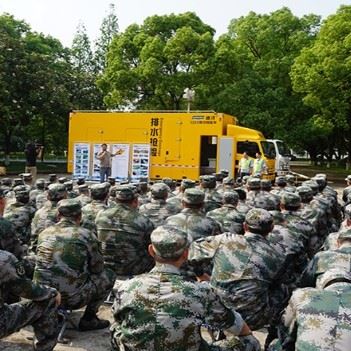
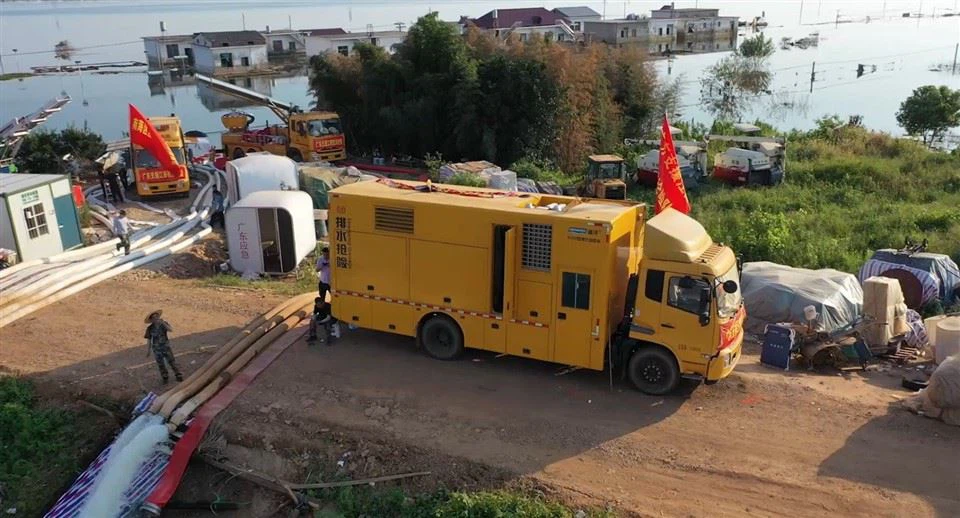
By the way, if you're in the flood control business, you might also be interested in our Mobile Pump Station and High - flow Drainage Rescue Vehicle. These are great additions to your flood control fleet. The mobile pump station is really versatile and can be used in different situations. And the high - flow drainage rescue vehicle can handle a large volume of water, which is super useful during big floods.
Conclusion
Replacing the pump impeller of a flood control pump truck might seem like a daunting task, but if you follow these steps, you should be able to do it without too much trouble. Remember, proper maintenance of your pump truck is crucial for its performance and longevity.
If you're interested in our flood control equipment, including the flood control pump trucks, mobile pump stations, and high - flow drainage rescue vehicles, feel free to reach out to us for a purchase negotiation. We're always here to help you find the right equipment for your needs.
References
- Pump Manufacturer's Manual
- Industry Best Practices for Pump Maintenance