


Over time, the efficiency degradation rate of a Traction Large Flow Pump is a critical concern for both operators and suppliers like us. As a leading provider of Traction Large Flow Pumps, we understand the significance of this issue and its impact on various applications.
Factors Affecting Efficiency Degradation
Wear and Tear
One of the primary reasons for the efficiency degradation of a Traction Large Flow Pump is wear and tear. The continuous operation of the pump exposes its components, such as impellers, casings, and seals, to mechanical stress and friction. Over time, this can lead to the erosion of these components, resulting in a decrease in the pump's efficiency. For example, the impeller, which is responsible for generating the flow and pressure of the fluid, can become worn or damaged, reducing its ability to transfer energy effectively.
Corrosion and Chemical Attack
In addition to mechanical wear, corrosion and chemical attack can also contribute to the efficiency degradation of the pump. If the pumped fluid contains corrosive substances or has a high pH level, it can react with the pump's materials, causing corrosion and degradation. This can lead to the formation of pits, cracks, and other defects on the surface of the components, which can disrupt the flow of the fluid and reduce the pump's efficiency.
Fouling and Deposits
Fouling and deposits can also accumulate on the internal surfaces of the pump over time, reducing its efficiency. These deposits can be caused by the presence of suspended solids, minerals, or biological matter in the pumped fluid. As the deposits build up, they can restrict the flow of the fluid, increase the resistance to flow, and reduce the pump's ability to generate the required pressure.
Aging of Components
The aging of components is another factor that can contribute to the efficiency degradation of the pump. Over time, the materials used in the pump's construction can deteriorate, losing their mechanical properties and strength. This can lead to the deformation or failure of the components, reducing the pump's efficiency and reliability.
Measuring Efficiency Degradation
To determine the efficiency degradation rate of a Traction Large Flow Pump over time, it is necessary to measure its performance at regular intervals. This can be done by monitoring the pump's flow rate, pressure, power consumption, and other operating parameters. By comparing these measurements with the pump's original specifications or previous performance data, it is possible to calculate the efficiency degradation rate and identify any trends or patterns.
One common method for measuring the efficiency of a pump is to use the pump efficiency formula:
Efficiency (%) = (Flow Rate x Head x Density x Gravity) / (Power Input x 1000)
Where:
- Flow Rate is the volume of fluid pumped per unit time (m³/s)
- Head is the pressure difference across the pump (m)
- Density is the density of the fluid (kg/m³)
- Gravity is the acceleration due to gravity (9.81 m/s²)
- Power Input is the electrical power consumed by the pump (kW)
By measuring the flow rate, head, and power input of the pump at regular intervals, it is possible to calculate its efficiency and monitor any changes over time.
Impact of Efficiency Degradation
The efficiency degradation of a Traction Large Flow Pump can have several negative impacts on its performance and operation. These include:
Increased Energy Consumption
As the pump's efficiency decreases, it requires more energy to maintain the same flow rate and pressure. This can result in increased energy costs for the operator, as well as a higher carbon footprint.
Reduced Flow and Pressure
The efficiency degradation of the pump can also lead to a reduction in the flow rate and pressure of the fluid. This can affect the performance of the system in which the pump is installed, such as a water supply network or a drainage system.
Increased Maintenance and Repair Costs
The wear and tear, corrosion, fouling, and other factors that contribute to the efficiency degradation of the pump can also increase the maintenance and repair costs. As the components of the pump become worn or damaged, they need to be replaced or repaired, which can be expensive and time-consuming.
Decreased Reliability and Service Life
The efficiency degradation of the pump can also reduce its reliability and service life. As the pump operates at a lower efficiency, it is more likely to experience breakdowns and failures, which can disrupt the operation of the system and cause costly downtime.
Strategies for Mitigating Efficiency Degradation
To mitigate the efficiency degradation of a Traction Large Flow Pump over time, it is necessary to implement a comprehensive maintenance and management strategy. This strategy should include the following measures:
Regular Maintenance and Inspection
Regular maintenance and inspection of the pump are essential to ensure its optimal performance and reliability. This includes cleaning the pump, checking the alignment and condition of the components, lubricating the moving parts, and replacing any worn or damaged parts.
Monitoring and Analysis
Continuous monitoring and analysis of the pump's performance are necessary to detect any signs of efficiency degradation early and take appropriate action. This can be done by installing sensors and monitoring devices on the pump and using data analysis software to analyze the data.
Fluid Treatment
Proper fluid treatment can help to prevent corrosion, fouling, and deposits from accumulating on the internal surfaces of the pump. This can include filtration, chemical treatment, and biological treatment of the pumped fluid.
Upgrades and Retrofits
Upgrading and retrofitting the pump with modern components and technologies can help to improve its efficiency and performance. This can include installing high-efficiency impellers, variable speed drives, and other energy-saving devices.
Training and Education
Providing training and education to the operators and maintenance personnel on the proper operation and maintenance of the pump can help to ensure its optimal performance and reliability. This can include training on the use of monitoring and control systems, troubleshooting techniques, and safety procedures.
Applications of Traction Large Flow Pumps
Traction Large Flow Pumps are widely used in various applications, including:
Water Supply and Distribution
Traction Large Flow Pumps are used to supply water from sources such as rivers, lakes, and wells to treatment plants and distribution networks. They are also used to boost the pressure of the water in the distribution network to ensure adequate water supply to consumers.
Drainage and Flood Control
Traction Large Flow Pumps are used to remove excess water from low-lying areas, construction sites, and flood-prone regions. They are also used in Mobile Drainage Pump Truck and Government Emergency Flood Control Pump systems to provide emergency flood control.
Industrial Processes
Traction Large Flow Pumps are used in various industrial processes, such as chemical manufacturing, power generation, and mining. They are used to transfer fluids, such as chemicals, water, and slurries, from one location to another.
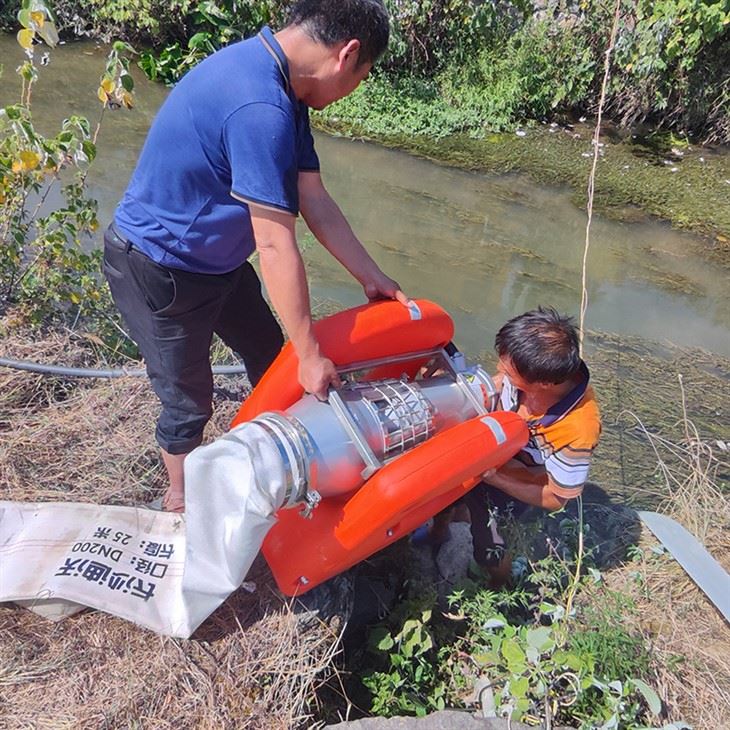

Underground Narrow Space Drainage
Traction Large Flow Pumps are used to drain water from underground narrow spaces, such as tunnels, basements, and mines. They are designed to operate in confined spaces and can provide high flow rates and pressures.
Contact Us for Procurement and Consultation
As a leading supplier of Traction Large Flow Pumps, we are committed to providing our customers with high-quality products and excellent service. Our pumps are designed and manufactured to meet the highest standards of quality and reliability, and we offer a wide range of models and configurations to suit different applications and requirements.
If you are interested in purchasing a Traction Large Flow Pump or need more information about our products and services, please contact us. Our team of experts will be happy to assist you with your procurement needs and provide you with professional consultation and advice.
References
- Pump Handbook, 4th Edition, by Igor Karassik et al.
- Centrifugal Pumps: Design and Application, by Joseph F. Karassik et al.
- Pumping Machinery: A Handbook for the Design, Selection, and Use of Pumps and Pumping Systems, by Heinz P. Bloch and Fred K. Geitner.