


In recent years, the frequency and intensity of floods have been on the rise globally, posing a significant threat to human lives and property. As a supplier of Mobile Flood Relief Systems, I've often been asked the question: Can Mobile Flood Relief Systems be used to evacuate people during floods? In this blog post, I'll explore this topic in detail, considering the capabilities, limitations, and potential applications of our systems in flood - related evacuation scenarios.
Understanding Mobile Flood Relief Systems
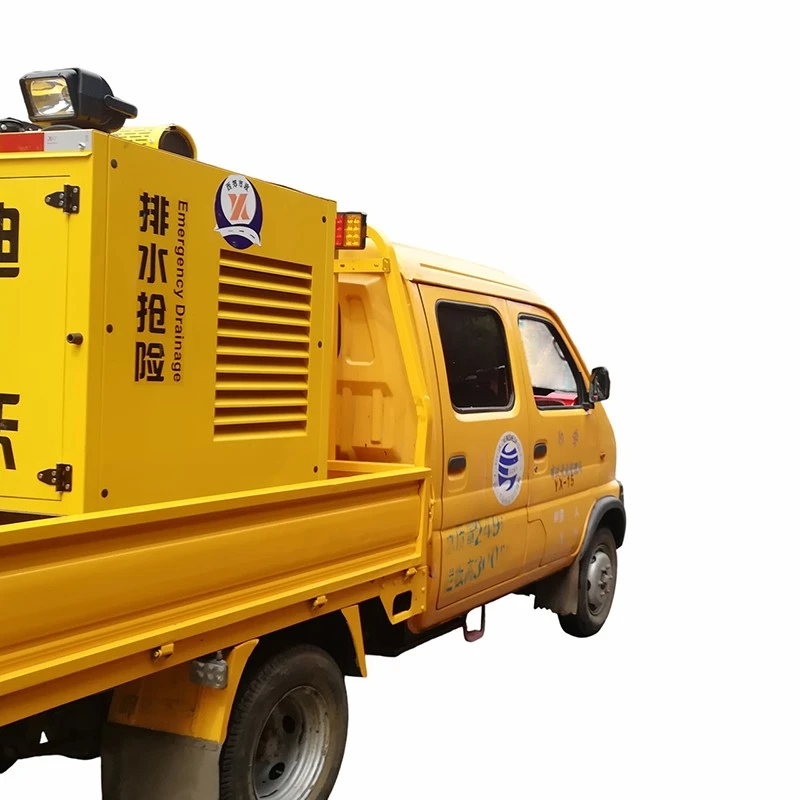
Our Mobile Flood Relief Systems are designed to provide rapid and effective solutions to flood - related problems. These systems include Trailer Mounted Drainage Pump Station, Mobile Flooding Pump, and Long Distance Water Supply Equipment. They are highly portable, easy to deploy, and can be quickly transported to the flood - affected areas.
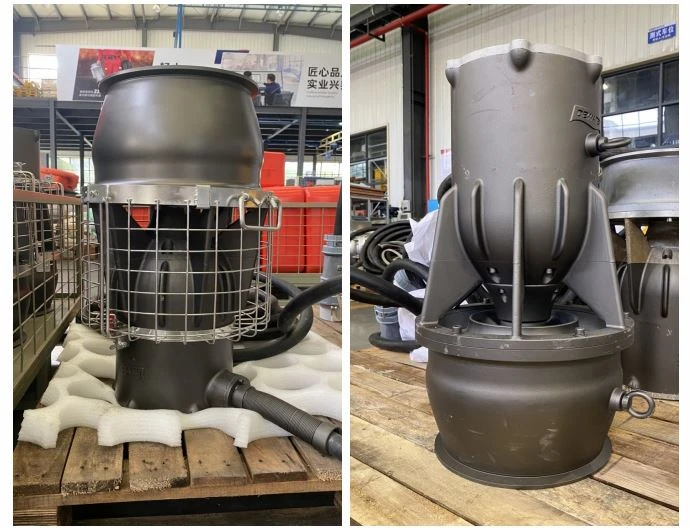
The Trailer Mounted Drainage Pump Station is a powerful and flexible unit. It can be towed to the site and set up within a short time. With high - capacity pumps, it can efficiently remove large volumes of water from flooded areas, helping to reduce the water level and mitigate the flood situation. The Mobile Flooding Pump, on the other hand, is more compact and can be used in areas where access is limited. It can be quickly positioned to pump water out of basements, low - lying areas, or other confined spaces. The Long Distance Water Supply Equipment is useful for transporting water over long distances, which can be crucial in situations where water needs to be diverted to a safe location.
Can Mobile Flood Relief Systems Assist in Evacuation?
Direct Evacuation
While our Mobile Flood Relief Systems are not primarily designed for direct human evacuation, they can play an indirect but crucial role in facilitating the evacuation process. When a flood occurs, the most immediate threat to people is the rising water level. By rapidly removing water from the flooded area using our pumps, we can create safer conditions for people to move to higher ground.
For example, in a residential area where the streets are flooded, the Trailer Mounted Drainage Pump Station can be used to lower the water level in the streets. This makes it easier for people to walk or use vehicles to reach evacuation points. In some cases, if the water level is reduced enough, emergency vehicles such as ambulances and buses can access the area more easily to pick up evacuees.
Creating Safe Evacuation Routes
In addition to reducing the water level, our systems can also help in creating safe evacuation routes. In flood - prone areas, certain roads or paths may be blocked by water. By using the Mobile Flooding Pump to clear these routes, we can ensure that people have a clear and safe way to evacuate. This is especially important in areas where there are no alternative routes or where the existing routes are severely affected by the flood.
Providing Support at Evacuation Centers
Our Long Distance Water Supply Equipment can be used to provide a reliable water supply at evacuation centers. During a flood, the normal water supply may be disrupted. By using this equipment, we can transport clean water from a safe source to the evacuation centers, ensuring that the evacuees have access to drinking water and other basic water needs. This not only improves the living conditions at the evacuation centers but also helps to prevent the spread of water - borne diseases.
Limitations and Challenges
Physical Limitations
It's important to note that our Mobile Flood Relief Systems have their limitations. For example, in cases of extremely large - scale floods, the pumps may not be able to remove water fast enough to keep up with the rising water level. In addition, if the flood is caused by a natural disaster such as a dam break or a tsunami, the systems may not be sufficient to handle the large volume of water.
Operational Challenges
There are also operational challenges in using our systems for evacuation - related purposes. For example, the deployment of the systems requires a certain amount of time and resources. In a fast - evolving flood situation, it may be difficult to deploy the systems in a timely manner. Moreover, the operation of the pumps requires trained personnel. In some areas, there may be a shortage of such personnel, which can affect the efficiency of the system.
Safety Concerns
When using the systems in flood - affected areas, there are also safety concerns. For example, the pumps need to be properly grounded to prevent electrical hazards. In addition, the operators need to be aware of the changing flood conditions and take appropriate safety measures to avoid being affected by the flood.
Case Studies
Case 1: Small - Scale Urban Flood
In a small urban area, a heavy rainstorm caused severe flooding in the streets and basements. Our Mobile Flood Relief Systems were quickly deployed to the area. The Trailer Mounted Drainage Pump Station was used to lower the water level in the streets, allowing people to evacuate on foot. The Mobile Flooding Pump was used to clear the basements, enabling the residents to retrieve their essential belongings before leaving. As a result, the evacuation process was relatively smooth, and most of the residents were able to reach the evacuation points safely.
Case 2: Rural Flood with Limited Access
In a rural area, a river overflowed its banks, flooding several villages. The access to these villages was limited, and the water level was rising rapidly. Our Mobile Flooding Pump was used to clear a narrow path through the flooded fields, creating a safe evacuation route for the villagers. The Long Distance Water Supply Equipment was also used to provide water to the evacuation center set up in a nearby school. This helped to ensure the well - being of the evacuees during their stay at the center.
Future Developments and Improvements
To better assist in flood evacuation, we are constantly working on improving our Mobile Flood Relief Systems. We are researching and developing more powerful pumps that can handle larger volumes of water more efficiently. In addition, we are exploring the use of new technologies such as remote - controlled pumps and automated monitoring systems to improve the operational efficiency and safety of our systems.
We are also working on training programs to ensure that there are enough trained personnel to operate our systems in flood - affected areas. By collaborating with local authorities and emergency response teams, we hope to improve the coordination and deployment of our systems during flood events.
Conclusion
In conclusion, while Mobile Flood Relief Systems are not direct evacuation tools, they can play a vital role in facilitating the evacuation process during floods. By reducing the water level, creating safe evacuation routes, and providing support at evacuation centers, our systems can help to save lives and reduce the impact of floods. However, it's important to recognize the limitations and challenges of these systems and to take appropriate measures to overcome them.
As a supplier of Mobile Flood Relief Systems, we are committed to providing high - quality products and services to help communities better prepare for and respond to floods. If you are interested in learning more about our products or have any questions about using them for flood - related evacuation purposes, we encourage you to contact us for a detailed discussion and potential procurement.
References
- "Flood Risk Management: Principles and Practice" by Peter D. Simonovic
- "Emergency Response to Flood Disasters" by the International Federation of Red Cross and Red Crescent Societies
- Research papers on mobile flood relief systems from relevant engineering and environmental journals.