


Hey there! As a supplier of Mobile Drainage Pumps, I often get asked a bunch of questions. One question that pops up quite a bit, especially when the temperature starts to drop, is “Can a mobile drainage pump be used in cold weather?” Well, let's dig into this topic and find out.
First off, let's understand how mobile drainage pumps work. These pumps are designed to move water from one place to another, whether it's getting rid of floodwater, draining a mine, or supplying water during a drought. You can check out our Mobile Flooding Pump, Mine Flooded Drainage Rescue Equipment, and Drought Emergency Water Supply Pump for more details on the different types of pumps we offer.
Now, let's talk about the challenges cold weather poses to these pumps. One of the biggest issues is freezing. Water freezes at 0°C (32°F), and when that happens inside the pump, it can cause some serious problems. The expanding ice can crack the pump housing, damage the impeller, and even break the pipes connected to the pump. This not only stops the pump from working but can also lead to expensive repairs.
Another problem is the change in the viscosity of the water. As the temperature drops, water becomes more viscous, which means it's thicker and harder to move. This makes the pump work harder to push the water through the system. The increased workload can put extra stress on the pump's motor and other components, leading to overheating and potential breakdowns.
The cold can also affect the battery or fuel system of the pump. If it's a battery - powered pump, the cold can reduce the battery's capacity and make it discharge faster. For fuel - powered pumps, the fuel can thicken or even gel in extremely cold temperatures, preventing it from flowing properly to the engine.
But does this mean you can't use a mobile drainage pump in cold weather? Not necessarily. There are ways to make it work.
One of the first steps is to protect the pump from the cold. You can use insulation materials to wrap the pump and its pipes. There are special insulation blankets available that are designed to keep the heat in and prevent the water from freezing. This is especially important for the parts of the pump that are in direct contact with the water, like the pump housing and the intake and discharge pipes.
Pre - heating the water can also help. You can use a small heater or a heat exchanger to warm up the water before it enters the pump. This reduces the risk of freezing and makes the water easier to pump.
If you're using a battery - powered pump, keep the battery warm. You can use a battery warmer or store the battery in a heated area when not in use. For fuel - powered pumps, use a fuel additive that prevents the fuel from gelling. These additives are readily available and can make a big difference in cold weather performance.
It's also important to run the pump regularly, even if it's just for a short time. This keeps the water moving and reduces the chances of it freezing inside the pump. And when you're done using the pump, make sure to drain all the water from the system. This includes the pump housing, pipes, and any other components that hold water.
When choosing a pump for cold - weather use, look for models that are specifically designed for low - temperature operation. Some pumps come with features like built - in heaters, cold - weather starters, and corrosion - resistant materials that are better able to withstand the harsh conditions.
In addition to these technical solutions, proper maintenance is crucial. Before the cold weather sets in, give the pump a thorough inspection. Check for any signs of wear and tear, and replace any damaged parts. Make sure all the seals are in good condition to prevent water from leaking and freezing inside the pump.
Lubrication is also important. Use a lubricant that is suitable for cold temperatures. This will ensure that all the moving parts of the pump operate smoothly, even in the cold.
Let's talk about the different scenarios where you might need to use a mobile drainage pump in cold weather.

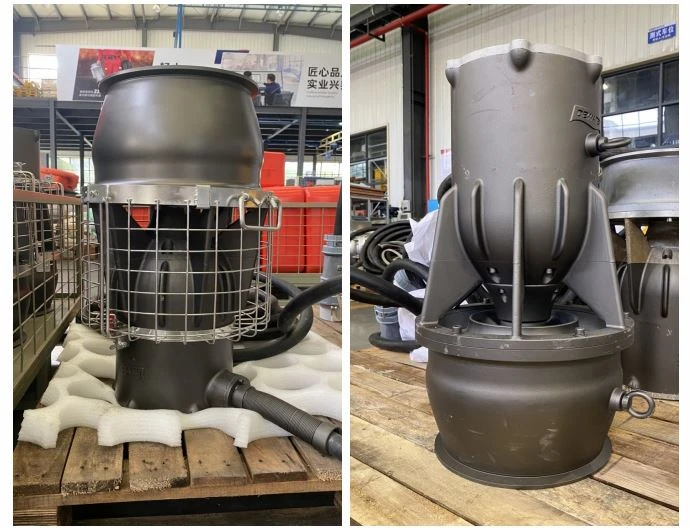
In flood situations, heavy snowfall or frozen ground can prevent water from soaking into the soil, leading to flooding. A mobile drainage pump can be used to remove the standing water. However, you need to be extra careful because the water might be close to freezing. Make sure to follow the cold - weather precautions we've discussed to keep the pump running.
In mining operations, water can accumulate in the mines even in cold weather. Using a Mine Flooded Drainage Rescue Equipment is essential to keep the mine safe and operational. But again, the cold weather challenges need to be addressed to ensure the pump works effectively.
During drought emergencies, even in cold regions, there might be a need to transfer water from one source to another. Our Drought Emergency Water Supply Pump can be a great solution, but proper cold - weather protection is necessary.
In conclusion, while cold weather presents significant challenges to mobile drainage pumps, with the right precautions and preparations, it is possible to use them effectively. By taking steps to prevent freezing, protect the pump from the cold, and maintain the pump properly, you can ensure that your pump continues to work even in the coldest of temperatures.
If you're in the market for a mobile drainage pump or need more information on how to use them in cold weather, we're here to help. We've got a wide range of pumps that are suitable for different applications, and our team of experts can provide you with all the advice you need. Whether you're dealing with floods, mine drainage, or drought - related water supply, we've got the solutions. So, if you're interested in purchasing a pump or want to learn more, don't hesitate to get in touch for a procurement discussion.
References
- "Pump Handbook" by Igor J. Karassik et al.
- Manufacturer's manuals for mobile drainage pumps.
- Industry reports on cold - weather pump performance.