


Hey there! As a supplier of dewatering pump trailers, I often get asked about the braking system of these trailers. So, I thought I'd take a moment to break it down for you and explain what it's all about.
First things first, let's talk about why a braking system is so important for a dewatering pump trailer. When you're hauling a heavy piece of equipment like a dewatering pump trailer, you need to be able to stop it safely and quickly. That's where the braking system comes in. It helps you control the speed of the trailer and bring it to a stop when you need to.
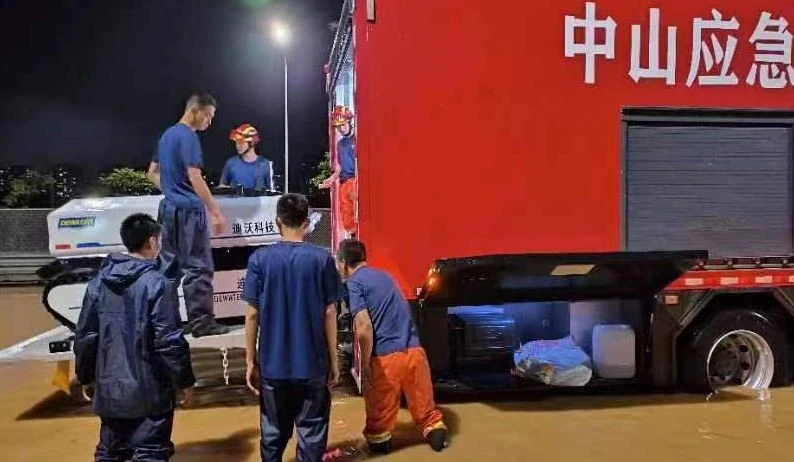

There are two main types of braking systems used on dewatering pump trailers: electric brakes and hydraulic brakes. Let's take a closer look at each of these systems.
Electric Brakes
Electric brakes are the most common type of braking system used on dewatering pump trailers. They work by using an electric current to activate the brake shoes inside the brake drums. When you apply the brakes in your towing vehicle, an electric signal is sent to the trailer's brake controller, which then sends power to the trailer's brakes.
One of the advantages of electric brakes is that they're relatively easy to install and maintain. They also tend to be more affordable than hydraulic brakes. However, they do have some limitations. For example, they may not be as effective in wet or muddy conditions, and they may require more frequent adjustments.
Hydraulic Brakes
Hydraulic brakes, on the other hand, use a hydraulic fluid to activate the brake shoes. When you apply the brakes in your towing vehicle, the hydraulic pressure is transferred to the trailer's brakes, causing them to engage.
Hydraulic brakes are generally more powerful and reliable than electric brakes. They're also better suited for heavy-duty applications and can provide more consistent braking performance in all types of conditions. However, they're also more complex and expensive to install and maintain.
Components of a Braking System
Regardless of whether you choose electric or hydraulic brakes, your dewatering pump trailer's braking system will consist of several key components. These include:
- Brake Drums or Rotors: These are the circular components that the brake shoes press against to create friction and slow down the trailer.
- Brake Shoes: These are the pads that press against the brake drums or rotors to create friction and slow down the trailer.
- Brake Lines: These are the tubes that carry the hydraulic fluid or electric current to the brakes.
- Brake Controller: This is the device that controls the amount of power sent to the trailer's brakes. It's usually installed in the towing vehicle and allows you to adjust the braking force based on the weight of the trailer.
- Emergency Brake System: This is a backup braking system that's designed to engage if the main braking system fails. It's usually activated by a cable or switch and can help prevent the trailer from rolling away if it becomes detached from the towing vehicle.
Maintenance and Safety Tips
To ensure that your dewatering pump trailer's braking system is working properly, it's important to perform regular maintenance and inspections. Here are some tips to help you keep your brakes in good condition:
- Check the Brake Fluid: If your trailer has hydraulic brakes, you should check the brake fluid level regularly and top it off if necessary.
- Inspect the Brake Pads and Drums: You should inspect the brake pads and drums for wear and tear regularly and replace them if they're worn beyond the recommended limit.
- Adjust the Brake Controller: You should adjust the brake controller to ensure that the trailer's brakes are applying the correct amount of force. This will help prevent the trailer from pushing or pulling the towing vehicle when you apply the brakes.
- Test the Emergency Brake System: You should test the emergency brake system regularly to ensure that it's working properly. This will help prevent the trailer from rolling away if it becomes detached from the towing vehicle.
- Follow the Manufacturer's Recommendations: You should follow the manufacturer's recommendations for maintenance and inspection of your dewatering pump trailer's braking system. This will help ensure that your brakes are working properly and that you're complying with all applicable safety regulations.
Conclusion
In conclusion, the braking system of a dewatering pump trailer is an important component that helps you control the speed of the trailer and bring it to a stop safely and quickly. Whether you choose electric or hydraulic brakes, it's important to perform regular maintenance and inspections to ensure that your brakes are working properly. By following these tips and guidelines, you can help ensure that your dewatering pump trailer is safe and reliable on the road.
If you're in the market for a dewatering pump trailer, or if you have any questions about the braking system or other components of our trailers, please don't hesitate to contact us. We'd be happy to help you find the right trailer for your needs and answer any questions you may have.
We also offer a range of related products, such as the Emergency Water Rescue Pickup, High-flow Drainage Rescue Vehicle, and Large Flow Drainage Emergency Rescue Truck. These vehicles are designed to provide fast and effective water removal in emergency situations, and they're equipped with high-capacity pumps and other advanced features to ensure maximum performance and reliability.
So, if you're looking for a reliable and efficient way to remove water from your worksite or emergency situation, be sure to check out our dewatering pump trailers and related products. We're confident that you'll find the right solution for your needs, and we look forward to working with you!
References
- "Trailer Brakes: How They Work and How to Maintain Them." RV Life, 2021.
- "Electric vs. Hydraulic Trailer Brakes: Which Is Right for You?" The Spruce, 2021.
- "Trailer Brake Maintenance: Tips and Tricks." Car and Driver, 2021.