


Droughts can be incredibly devastating, causing severe water shortages, crop failures, and significant economic losses. In such challenging times, drought relief drainage pumps play a crucial role in mitigating the effects of drought by providing essential water management solutions. As a supplier of high - quality drought relief drainage pumps, I understand the importance of these pumps and also know that applying for subsidies can make them more accessible to those in need. In this blog, I will guide you through the process of applying for subsidies for a drought relief drainage pump.
Understanding the Need for Subsidies
Before delving into the application process, it's important to understand why subsidies for drought relief drainage pumps are necessary. Droughts often hit farmers, local communities, and small - scale industries the hardest. These entities may not have the financial resources to purchase expensive drought relief drainage pumps on their own. Subsidies can bridge this gap, enabling them to acquire the necessary equipment to combat drought effectively.
For example, farmers can use these pumps to irrigate their fields during dry spells, ensuring that their crops receive enough water to grow. Local communities can use them to supply water to households, maintaining a basic level of water access. Small - scale industries can also rely on these pumps to keep their operations running during water - scarce periods.
Researching Available Subsidies
The first step in applying for subsidies is to research what is available. Different regions and governments offer various subsidy programs for drought - related equipment. Start by checking with your local government's agricultural department, environmental protection agency, or water resources management office. They usually have information about specific subsidy programs, eligibility criteria, and application deadlines.
Online resources can also be incredibly helpful. Many government websites publish details about subsidy programs, including forms, guidelines, and contact information. Additionally, industry associations related to agriculture, water management, or pump manufacturing may have information on available subsidies. They can also provide insights into the application process based on their members' experiences.
Eligibility Criteria
Each subsidy program has its own set of eligibility criteria. Common factors that may determine eligibility include:
- User Type: Some subsidies are only available to farmers, while others may be open to local governments, non - profit organizations, or small businesses. As a supplier, I've seen that farmers often have priority in many subsidy programs because of the direct impact of drought on agriculture.
- Geographical Location: Subsidies may be targeted at specific regions that are more severely affected by drought. If your area has been declared a drought - stricken zone, you may have a higher chance of qualifying for subsidies.
- Purpose of Use: The pump must be used for drought - relief purposes. This could include irrigation, water supply for livestock, or industrial water management during droughts.
Preparing the Application
Once you've identified a suitable subsidy program and confirmed your eligibility, it's time to prepare the application. Here are the key steps:
Gather Required Documents
- Proof of Identity: This could be a government - issued ID, such as a driver's license or passport.
- Business or Farm Registration: If you're a business or a farm, you'll need to provide registration documents to prove your legal status.
- Drought Impact Assessment: Explain how the drought has affected your operations. This could include data on crop losses, water shortages, or reduced industrial output.
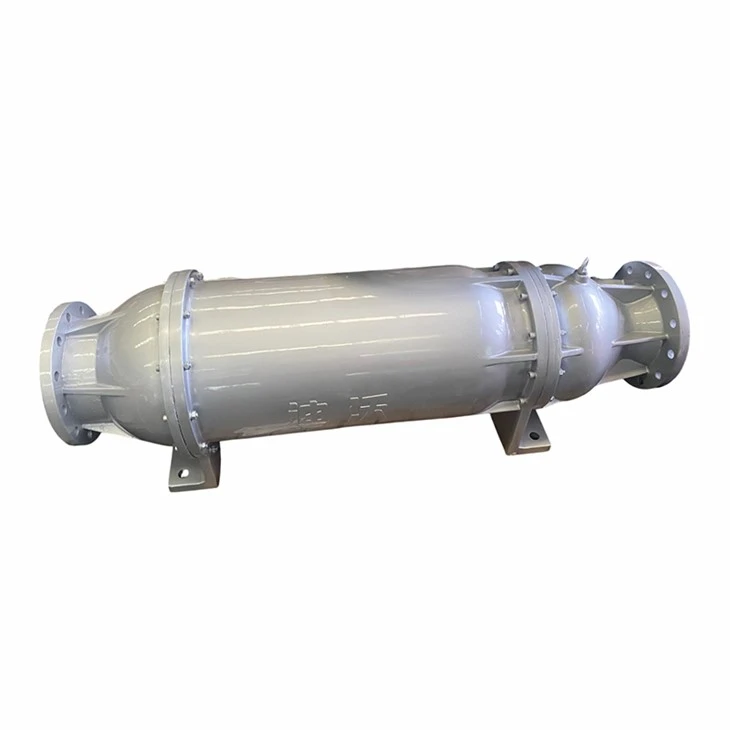
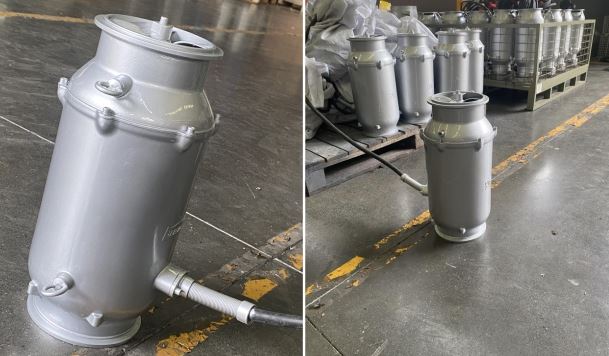
- Pump Specification and Quote: Provide detailed specifications of the drought relief drainage pump you intend to purchase. Include information such as pump capacity, power source, and brand. A quote from a reputable supplier (like us) is also necessary to show the cost of the pump. You can find a variety of suitable pumps on our website, such as the Flood Prevention and Drainage Mobile Pump, Agricultural Emergency Water Supply Pump, and Underground Narrow Space Drainage.
Fill Out the Application Form
Carefully read the instructions on the application form and fill it out accurately. Make sure to provide all the required information and double - check for any errors or omissions. Incomplete applications are often rejected, so it's crucial to be thorough.
Write a Compelling Application Letter
In addition to the application form, you may need to write a letter explaining why you need the subsidy. In this letter, highlight the impact of the drought on your situation, how the pump will help mitigate the effects, and why you believe you are a suitable candidate for the subsidy. Use clear and concise language, and provide specific examples to support your claims.
Submitting the Application
After preparing all the necessary documents, submit your application before the deadline. Most subsidy programs accept applications online, but some may also allow paper submissions. If you're submitting online, make sure to follow the specific instructions for uploading files and completing the online form.
If you're submitting a paper application, send it by registered mail to ensure that it arrives safely and on time. Keep copies of all the documents you've submitted for your records.
Following Up on the Application
Once you've submitted your application, it's important to follow up. You can contact the subsidy program administrator after a reasonable period to inquire about the status of your application. This shows your interest and commitment, and it also gives you an opportunity to address any additional questions or concerns they may have.
If your application is approved, you'll receive notification along with instructions on how to proceed. This may include purchasing the pump from an approved supplier (like us), providing proof of purchase, and then receiving the subsidy amount.
Conclusion
Applying for subsidies for a drought relief drainage pump can be a complex process, but it's well worth the effort. By following the steps outlined above, you can increase your chances of successfully obtaining a subsidy. As a supplier of drought relief drainage pumps, I'm committed to helping you through this process. We offer a wide range of high - quality pumps suitable for different drought - relief needs.
If you're interested in learning more about our products or need assistance with the subsidy application process, please don't hesitate to reach out. We're here to provide you with the best solutions for combating drought and ensuring the smooth operation of your agricultural, community, or industrial activities.
References
- Local government agricultural department guidelines.
- Industry association reports on drought - relief subsidy programs.
- Online resources from government websites related to water resources management and agriculture.