


Hey there! As a supplier of dewatering pump trucks, I've had my fair share of experience in understanding what makes these machines tick. In this blog, I'm gonna walk you through the key monitoring parameters for a dewatering pump truck. These parameters are super important as they help ensure the pump truck is working efficiently and safely.
Flow Rate
One of the most critical monitoring parameters is the flow rate. This tells you how much water the pump truck can move in a given amount of time. It's usually measured in gallons per minute (GPM) or cubic meters per hour (m³/h). A higher flow rate means the pump can remove water faster, which is crucial in emergency situations like Flooding Control Pickup.
To monitor the flow rate, we typically use flow meters. These devices can be installed in the pump's discharge line. They work by measuring the volume of water passing through the line. If the flow rate drops unexpectedly, it could indicate a problem such as a clogged impeller or a leak in the system. Regularly checking the flow rate helps us catch these issues early and prevent costly breakdowns.
Pressure
Pressure is another vital parameter. It refers to the force exerted by the water in the pump's discharge line. Monitoring pressure helps us ensure that the pump is operating within its designed limits. Too much pressure can damage the pump and the piping system, while too little pressure may mean the pump isn't working effectively.
We use pressure gauges to measure the pressure. These gauges are usually installed near the pump's discharge port. The ideal pressure for a dewatering pump truck depends on various factors, such as the type of pump, the length of the discharge line, and the height to which the water needs to be pumped. By keeping an eye on the pressure, we can adjust the pump's settings as needed to maintain optimal performance.
Temperature
The temperature of the pump's motor and other components is also an important monitoring parameter. High temperatures can cause the motor to overheat, which can lead to premature failure. We use temperature sensors to monitor the temperature of the motor and other critical parts.
If the temperature exceeds the recommended range, it could be a sign of a problem, such as a lack of lubrication or a malfunctioning cooling system. In such cases, we need to take immediate action to cool down the pump and address the underlying issue. Regularly monitoring the temperature helps us prevent costly repairs and ensure the longevity of the pump truck.
Vibration
Vibration is a tell - tale sign of potential problems in a dewatering pump truck. Excessive vibration can indicate misalignment of the pump and motor, worn bearings, or loose parts. We use vibration sensors to monitor the level of vibration in the pump.
By analyzing the vibration patterns, we can detect early signs of problems and take corrective action before they escalate. For example, if we notice an increase in vibration, we can check the alignment of the pump and motor and make any necessary adjustments. Monitoring vibration is an effective way to prevent unexpected breakdowns and keep the pump truck running smoothly.
Power Consumption
Power consumption is an important parameter as it gives us an idea of how efficiently the pump is using energy. We use power meters to measure the amount of electricity the pump is consuming. If the power consumption is higher than normal, it could indicate a problem, such as a worn - out motor or a pump that is operating at an inefficient speed.
By monitoring power consumption, we can identify opportunities to improve the pump's efficiency and reduce energy costs. For example, we can adjust the pump's speed or replace worn - out components to optimize energy usage.
Oil Level and Quality
For pump trucks with engines, the oil level and quality are crucial monitoring parameters. The oil lubricates the engine's moving parts, reduces friction, and helps dissipate heat. Low oil levels can cause the engine to seize up, while dirty or degraded oil can lead to increased wear and tear.
We regularly check the oil level using a dipstick. If the oil level is low, we add more oil. We also analyze the oil's quality periodically. This involves taking an oil sample and sending it to a laboratory for testing. The test results can tell us if the oil needs to be changed or if there are any signs of engine wear.
Noise Level
Noise level is another parameter that can provide valuable information about the pump truck's condition. Unusual noises, such as grinding, rattling, or screeching, can indicate problems like loose parts, worn bearings, or a malfunctioning impeller.
We use noise - level meters to monitor the noise level during operation. If the noise level exceeds the normal range, we investigate the source of the noise and take appropriate action. Monitoring noise levels is a simple yet effective way to detect potential problems early and prevent major breakdowns.
Suction Lift
The suction lift is the vertical distance between the water source and the pump's inlet. It's an important parameter because it affects the pump's ability to draw water. If the suction lift is too high, the pump may not be able to create enough suction to draw water, which can lead to cavitation.
Cavitation is a phenomenon where bubbles form in the water due to low pressure. These bubbles can collapse violently, causing damage to the pump's impeller and other components. We monitor the suction lift to ensure that it is within the pump's recommended limits. If necessary, we can adjust the pump's position or use a different type of pump to handle the required suction lift.
Pump Efficiency
Pump efficiency is a measure of how well the pump converts the input power into useful work (i.e., moving water). It's an important parameter as it directly affects the operating costs of the pump truck. A more efficient pump uses less energy to move the same amount of water, which means lower energy bills.
We calculate pump efficiency by comparing the power input to the pump with the power output (i.e., the energy used to move the water). By monitoring pump efficiency over time, we can identify trends and take steps to improve it. For example, we can clean the pump's impeller or adjust the pump's speed to optimize efficiency.
In conclusion, monitoring these parameters is essential for the proper operation and maintenance of a dewatering pump truck. By keeping a close eye on these factors, we can ensure that the pump truck is working efficiently, safely, and reliably. Whether you're dealing with Emergency Rescue Drainage Pump Trucks or Drainage Pump Vehicles in Disaster Sites, understanding and monitoring these parameters is key.
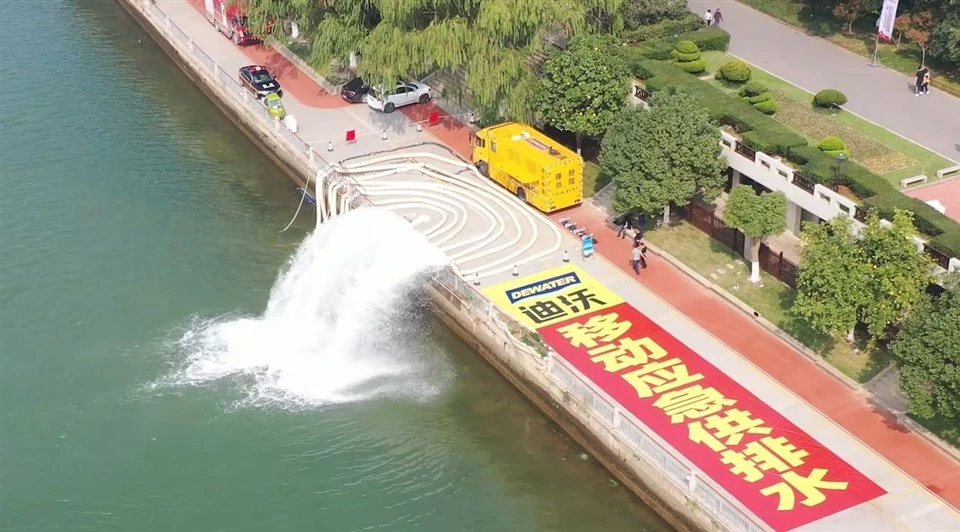
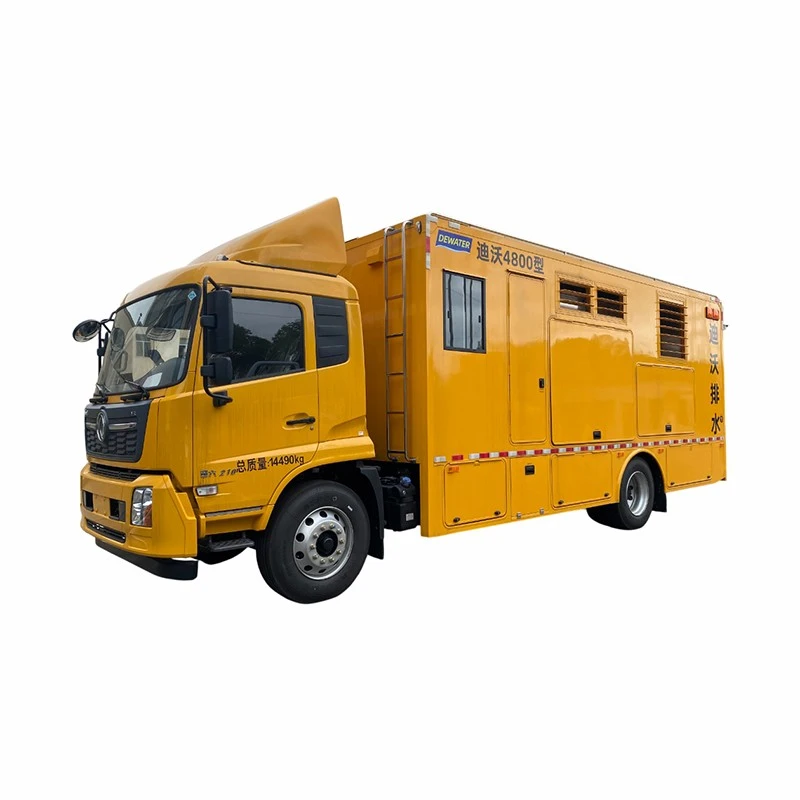
If you're in the market for a dewatering pump truck or need more information about these monitoring parameters, don't hesitate to reach out. We're here to help you make the right choice and ensure that your pump truck meets your specific needs. Let's start a conversation about your requirements and see how we can assist you in your dewatering projects.
References
- Pump Handbook, by Igor J. Karassik et al.
- Dewatering Systems Design and Operation Manual, by industry experts in water management.