


Can light duty rescue pump trucks be used for power plant fire protection?
As a supplier of Light Duty Rescue Pump Trucks, I often encounter inquiries regarding the versatility and applicability of our products. One question that frequently arises is whether light duty rescue pump trucks can be effectively used for power plant fire protection. In this blog post, I will delve into this topic, exploring the capabilities, limitations, and considerations associated with using light duty rescue pump trucks in power plant fire protection scenarios.
Understanding Light Duty Rescue Pump Trucks
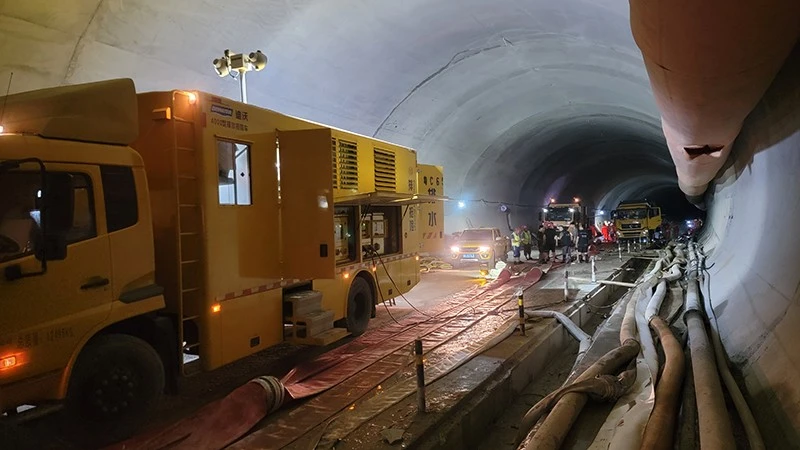
Light duty rescue pump trucks are specialized vehicles equipped with pumping systems designed to provide rapid and efficient water supply for various emergency situations. These trucks are typically smaller in size and more maneuverable than their heavy - duty counterparts, making them suitable for accessing tight spaces and responding quickly to incidents. They are commonly used for tasks such as flood control, water rescue, and small - scale fire suppression.
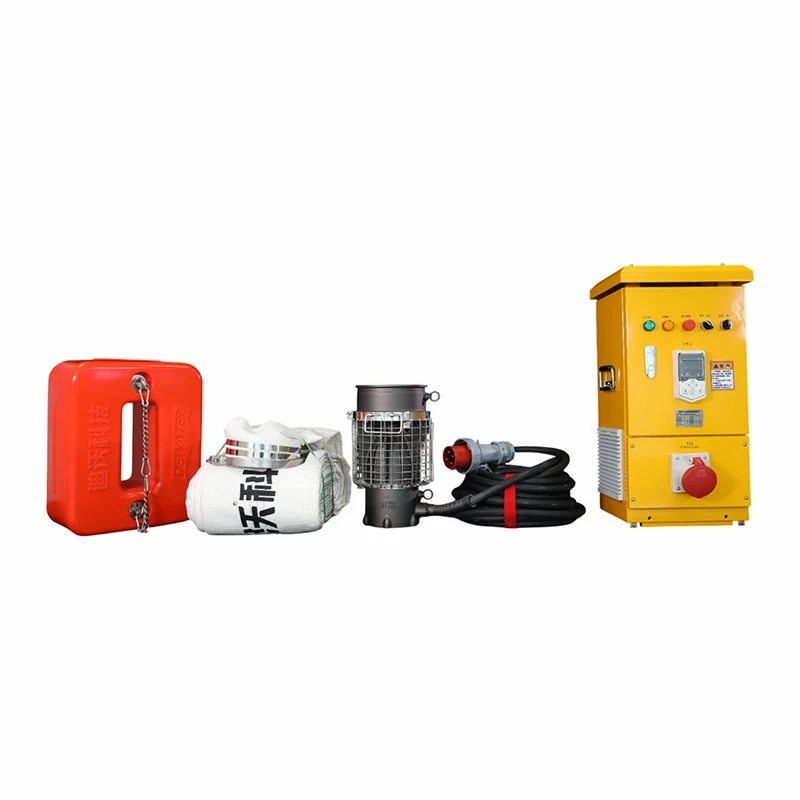
Our light duty rescue pump trucks are equipped with high - performance pumps that can deliver a significant volume of water at high pressure. They also feature advanced control systems that allow for precise adjustment of flow rate and pressure, ensuring optimal performance in different scenarios. Additionally, these trucks are designed with durability and reliability in mind, capable of withstanding harsh operating conditions and extended use.
Power Plant Fire Protection Requirements
Power plants are complex facilities that house critical infrastructure and equipment. Fire protection in power plants is of utmost importance due to the potential for large - scale disasters and the high cost of damage. Power plant fires can be caused by a variety of factors, including electrical malfunctions, fuel leaks, and overheating equipment.
The fire protection requirements for power plants are stringent and typically involve a combination of active and passive fire protection measures. Active fire protection systems, such as sprinkler systems and fire pumps, are designed to suppress fires once they occur. Passive fire protection measures, such as fire - resistant barriers and insulation, are used to prevent the spread of fire and protect critical equipment.
Power plants require a large volume of water to be delivered at high pressure to effectively suppress fires. The water supply must be reliable and continuous, as any interruption in the water flow can lead to the spread of the fire and cause significant damage. Additionally, the fire protection system must be able to operate in harsh environments, including high temperatures and exposure to hazardous materials.
Can Light Duty Rescue Pump Trucks Meet Power Plant Fire Protection Requirements?
The answer to whether light duty rescue pump trucks can be used for power plant fire protection is not straightforward. While these trucks have certain advantages, they also have limitations that need to be considered.
Advantages
- Maneuverability: Light duty rescue pump trucks are highly maneuverable, allowing them to quickly reach different parts of the power plant. This is particularly useful in large power plants where access to certain areas may be restricted. For example, in a power plant with narrow corridors or congested equipment areas, a light duty rescue pump truck can easily navigate through these spaces to provide immediate fire - fighting support.
- Rapid Response: These trucks can be deployed quickly in the event of a fire, providing an immediate water supply. This rapid response can help to contain the fire in its early stages, preventing it from spreading and causing more extensive damage.
- Versatility: Light duty rescue pump trucks can be used for other purposes in addition to fire protection, such as flood control and water rescue. This makes them a valuable asset for power plant operators, as they can be utilized in multiple emergency scenarios. For instance, during heavy rainfall, the pump truck can be used to drain water from the power plant premises, preventing flooding and potential damage to equipment.
Limitations
- Water Supply Capacity: One of the main limitations of light duty rescue pump trucks is their relatively limited water supply capacity compared to heavy - duty fire trucks. Power plants typically require a large volume of water to suppress fires effectively, and light duty trucks may not be able to provide a continuous and sufficient water supply for an extended period.
- Pressure and Flow Rate: While light duty rescue pump trucks can deliver water at high pressure, they may not be able to meet the high - flow rate requirements of power plant fire protection systems. Power plants often need a large amount of water to be delivered quickly to suppress fires, and the flow rate of light duty trucks may be insufficient in some cases.
- Durability in Harsh Environments: Power plant environments can be harsh, with high temperatures, exposure to chemicals, and potential for physical damage. Light duty rescue pump trucks may not be as durable as heavy - duty fire trucks in these extreme conditions, which could affect their performance and reliability over time.
Considerations for Using Light Duty Rescue Pump Trucks in Power Plant Fire Protection
If considering using light duty rescue pump trucks for power plant fire protection, several factors need to be taken into account:
- Water Source: Adequate water sources must be available near the power plant to ensure a continuous supply of water for the pump trucks. This could include nearby rivers, lakes, or large - capacity water storage tanks. The water source should be easily accessible and capable of providing a sufficient volume of water to meet the fire - fighting needs.
- Supplementary Equipment: Light duty rescue pump trucks may need to be supplemented with other fire - fighting equipment, such as large - capacity water tanks and additional pumps, to increase their water supply capacity and flow rate. This combination of equipment can help to overcome the limitations of the light duty trucks and provide more effective fire protection.
- Training and Maintenance: Proper training of personnel is essential to ensure the safe and effective operation of light duty rescue pump trucks. Operators should be trained in fire - fighting techniques, pump operation, and maintenance procedures. Regular maintenance of the pump trucks is also crucial to ensure their reliability and performance.
Related Products and Applications
In addition to light duty rescue pump trucks, our company also offers other related products that can be used in power plant fire protection and emergency response scenarios. For more information on these products, you can visit the following links:
- Mobile Pump Station: A mobile pump station can provide a large - capacity water supply and can be easily transported to the power plant site. It can be used in conjunction with light duty rescue pump trucks to increase the overall water supply capacity.
- Emergency Water Rescue Pickup: This vehicle is designed for water rescue operations and can also be used in power plant emergency situations, such as flood control and water removal.
- Drainage Pump Vehicles in Disaster Sites: These vehicles are suitable for use in disaster - prone areas, including power plants, to quickly drain water and prevent flooding.
Conclusion
In conclusion, light duty rescue pump trucks can play a role in power plant fire protection, but their use needs to be carefully evaluated based on the specific requirements of the power plant. While they offer advantages such as maneuverability and rapid response, their limitations in water supply capacity, pressure, and durability in harsh environments must be considered. By ensuring adequate water sources, using supplementary equipment, and providing proper training and maintenance, light duty rescue pump trucks can be a valuable addition to a power plant's fire protection strategy.
If you are interested in learning more about our light duty rescue pump trucks or other related products for power plant fire protection, please feel free to contact us for further discussion and potential procurement. We are committed to providing high - quality products and excellent service to meet your emergency response needs.
References
- National Fire Protection Association (NFPA). NFPA 850: Recommended Practice for Fire Protection for Electric Generating Plants and High - Voltage Direct Current Converter Stations.
- International Association of Fire Fighters (IAFF). Firefighting Tactics and Strategies in Industrial Facilities.