


As a supplier of Mobile Drainage Pump Trailers, I understand the importance of proper maintenance to ensure the optimal performance of these crucial pieces of equipment. One of the fundamental maintenance tasks is checking the oil level. In this blog, I'll guide you through the process of checking the oil level in a Mobile Drainage Pump Trailer, step by step.
Why is Checking the Oil Level Important?
Before we dive into the process, let's understand why checking the oil level is so crucial. Oil plays a vital role in the operation of the engine in a Mobile Drainage Pump Trailer. It lubricates the moving parts, reduces friction, and helps dissipate heat. Insufficient oil can lead to increased wear and tear on the engine components, which can ultimately result in engine failure. On the other hand, overfilling the oil can also cause problems, such as excessive pressure and foaming, which can affect the engine's performance.
Pre - checking Preparations
- Safety First: Ensure that the Mobile Drainage Pump Trailer is parked on a level surface. This is essential because if the trailer is on an incline, the oil will pool on one side, giving an inaccurate reading. Also, make sure the engine is turned off and has cooled down. Hot oil can cause severe burns if it comes into contact with your skin.
- Gather Your Tools: You'll need a clean, lint - free cloth or paper towel to wipe the dipstick. A dirty dipstick can give a false reading, so it's important to keep it clean.
Step - by - Step Guide to Checking the Oil Level
- Locate the Dipstick: In most Mobile Drainage Pump Trailers, the dipstick is located near the engine. It usually has a brightly colored handle, often yellow or orange, to make it easy to find. If you're having trouble locating it, refer to the owner's manual for your specific model.
- Remove the Dipstick: Once you've found the dipstick, gently pull it out of the dipstick tube. Be careful not to spill any oil on the engine or the surrounding area.
- Wipe the Dipstick: Take your clean cloth or paper towel and thoroughly wipe the dipstick. This removes any oil that was on the dipstick from the previous reading, ensuring an accurate measurement.
- Re - insert the Dipstick: After wiping the dipstick, carefully insert it back into the dipstick tube all the way until it seats properly. Make sure it goes in straight to get an accurate reading.
- Remove the Dipstick Again: Pull the dipstick out once more. Now, look at the end of the dipstick. There are usually two marks on the dipstick: a lower mark and an upper mark. These marks indicate the minimum and maximum oil levels respectively.
- Check the Oil Level: The oil level should be between the two marks. If the oil level is below the lower mark, it means you need to add oil. If it's above the upper mark, you may have overfilled the oil and need to drain some out.
What to Do Based on the Oil Level Reading
- Adding Oil: If the oil level is low, you'll need to add oil. First, make sure you're using the correct type of oil recommended by the manufacturer. You can find this information in the owner's manual. Slowly pour the oil into the oil filler cap, which is also usually near the engine. After adding a small amount of oil, wait a few minutes for the oil to settle and then check the oil level again using the dipstick. Repeat this process until the oil level is between the two marks on the dipstick.
- Draining Oil: If the oil level is above the upper mark, you'll need to drain some oil. This can be a more complicated process and may require some additional tools, such as an oil drain pan. It's best to refer to the owner's manual for specific instructions on how to drain the oil safely. If you're not comfortable doing this yourself, you can take your Mobile Drainage Pump Trailer to a professional mechanic.
Regular Maintenance Schedule
Checking the oil level in your Mobile Drainage Pump Trailer should be part of your regular maintenance routine. It's recommended to check the oil level before each use, especially if you're using the trailer frequently. Regular oil checks can help you catch any potential problems early, such as oil leaks, and prevent costly repairs down the road.
Applications of Mobile Drainage Pump Trailers
Mobile Drainage Pump Trailers are extremely versatile and have a wide range of applications. They are commonly used in flood - prone areas to quickly remove excess water. For more information on Flooding and Dainage Pump Truck, you can visit our website. In disaster sites, these trailers play a crucial role in draining water and helping with the recovery process. You can learn more about Drainage Pump Vehicles in Disaster Sites by clicking on the link. Additionally, Mobile Pump Drainage Rescue Trucks are essential for emergency drainage situations.
Conclusion
Properly checking the oil level in your Mobile Drainage Pump Trailer is a simple yet crucial maintenance task. By following the steps outlined in this blog, you can ensure that your trailer's engine is well - lubricated and running smoothly. Regular oil checks can extend the lifespan of your trailer and prevent costly breakdowns.

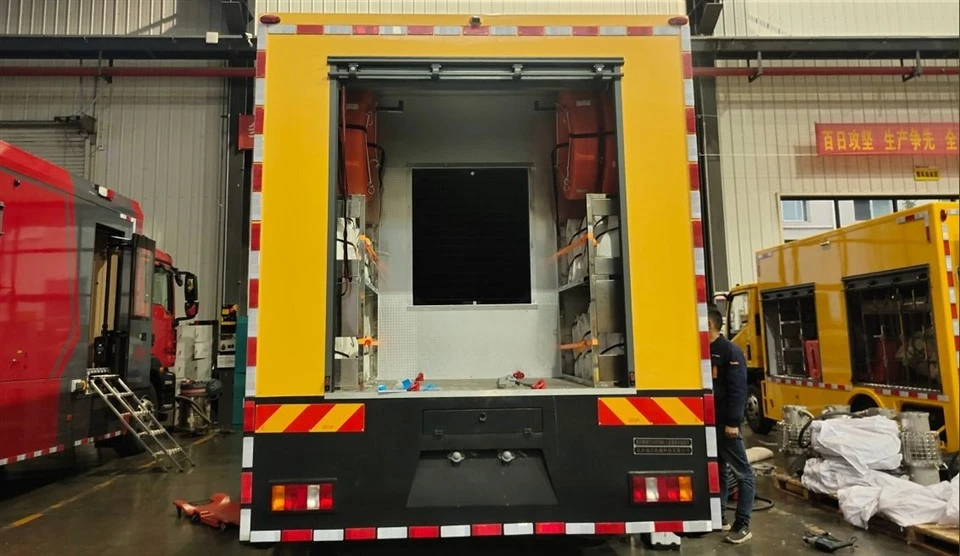
If you're in the market for a high - quality Mobile Drainage Pump Trailer or have any questions about maintenance, feel free to contact us for procurement discussions. Our team of experts is ready to assist you in finding the right solution for your needs.
References
- Manufacturer's Owner's Manual for Mobile Drainage Pump Trailers
- Industry Best Practices for Engine Maintenance