


What is the discharge rate of a dewatering pump truck?
As a supplier of Dewatering Pump Trucks, I often encounter inquiries about the discharge rate of these essential pieces of equipment. The discharge rate, also known as the flow rate, is a crucial parameter that determines the efficiency and effectiveness of a dewatering pump truck in various applications.
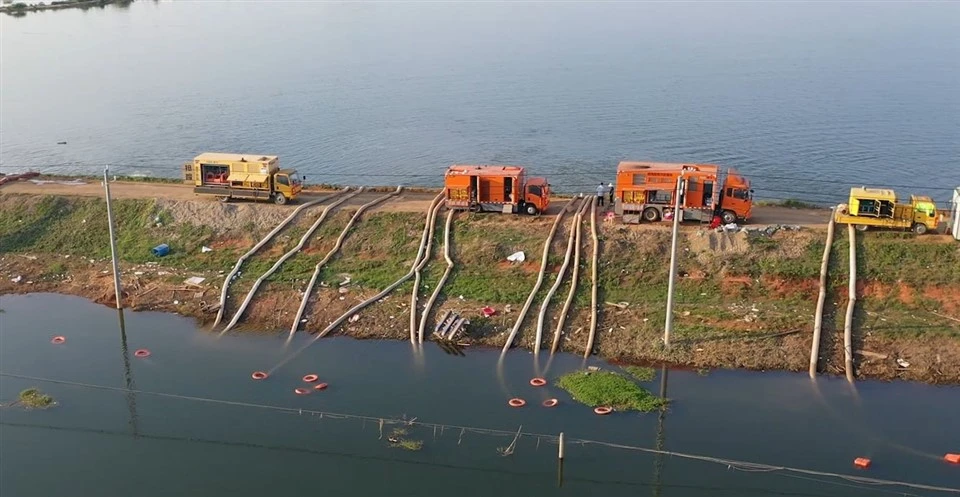
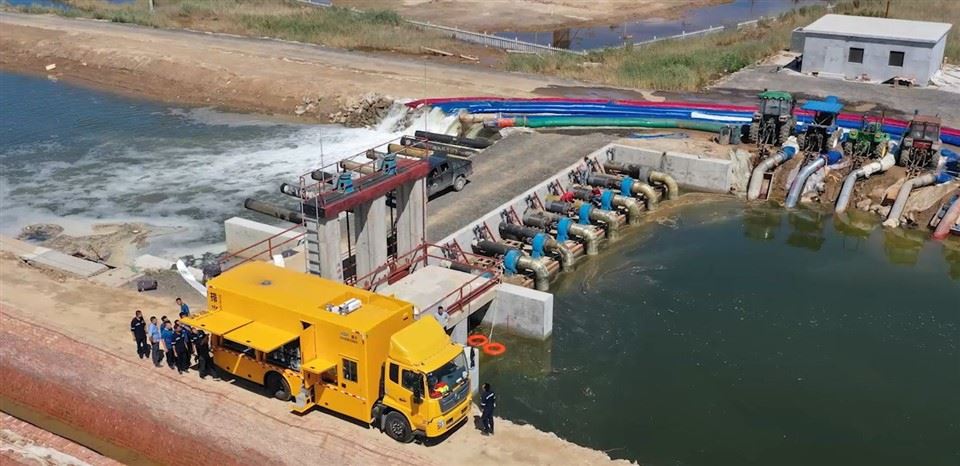
Understanding Discharge Rate
The discharge rate of a dewatering pump truck refers to the volume of water that the pump can move from one location to another within a specific period. It is typically measured in cubic meters per hour (m³/h) or gallons per minute (GPM). This rate is influenced by several factors, including the pump's design, power, impeller size, and the characteristics of the fluid being pumped.
Factors Affecting Discharge Rate
- Pump Design: Different pump designs have varying capabilities when it comes to discharge rate. Centrifugal pumps, for example, are commonly used in dewatering pump trucks due to their ability to handle large volumes of water at relatively high flow rates. These pumps work by using a rotating impeller to create centrifugal force, which pushes the water out of the pump.
- Power: The power of the pump's motor plays a significant role in determining the discharge rate. A more powerful motor can drive the impeller at a higher speed, resulting in a greater volume of water being pumped. However, it's important to note that increasing the power also increases the energy consumption and operating costs.
- Impeller Size: The size of the impeller affects the pump's ability to move water. A larger impeller can displace more water with each rotation, leading to a higher discharge rate. However, larger impellers may also require more power to operate.
- Fluid Characteristics: The properties of the fluid being pumped, such as viscosity, density, and temperature, can impact the discharge rate. For instance, pumping a thick or viscous fluid may require a more powerful pump to achieve the same flow rate as pumping water.
Importance of Discharge Rate in Different Applications
- Construction Sites: On construction sites, dewatering pump trucks are used to remove water from excavations, basements, and other areas to prevent flooding and ensure a safe working environment. A high discharge rate is essential to quickly remove large volumes of water, allowing construction work to proceed smoothly.
- Mining Operations: In the mining industry, dewatering is crucial to maintain the stability of mines and prevent water ingress. Dewatering pump trucks with a high discharge rate can efficiently remove water from underground mines, open pits, and tailings ponds, reducing the risk of accidents and equipment damage.
- Flood Control: During floods, dewatering pump trucks are deployed to drain water from flooded areas and protect properties and infrastructure. A rapid discharge rate is necessary to quickly lower the water level and minimize the damage caused by flooding.
- Industrial Facilities: Industrial facilities often require dewatering to remove wastewater, process water, or groundwater. A dewatering pump truck with an appropriate discharge rate can effectively handle the specific volume of water generated by the facility, ensuring proper operation and compliance with environmental regulations.
Selecting the Right Dewatering Pump Truck Based on Discharge Rate
When choosing a dewatering pump truck, it's important to consider the specific requirements of your application and select a pump with an appropriate discharge rate. Here are some steps to help you make the right decision:
- Determine the Volume of Water to be Pumped: Calculate the estimated volume of water that needs to be removed within a given time frame. This will give you an idea of the minimum discharge rate required.
- Consider the Application Conditions: Take into account the factors mentioned above, such as the type of fluid, the distance the water needs to be pumped, and the elevation difference. These conditions will affect the pump's performance and the required discharge rate.
- Consult with a Professional: If you're unsure about the appropriate discharge rate for your application, it's advisable to consult with a professional pump supplier or engineer. They can provide expert advice and help you select the right dewatering pump truck for your needs.
Our Dewatering Pump Truck Offerings
At our company, we offer a wide range of Dewatering Pump Trucks with different discharge rates to meet the diverse needs of our customers. Our pump trucks are equipped with high-quality pumps and motors, ensuring reliable performance and efficient operation.
In addition to dewatering pump trucks, we also provide Trailer Mounted Pumps and Flooding and Dainage Pump Truck solutions. These products are designed to offer flexibility and mobility, making them suitable for various applications.
Contact Us for Your Dewatering Needs
If you're in need of a dewatering pump truck or have any questions about discharge rates, please don't hesitate to contact us. Our team of experts is ready to assist you in selecting the right equipment for your specific requirements and provide you with professional advice and support. We look forward to working with you to solve your dewatering challenges.
References
- "Pump Handbook" by Igor J. Karassik, Joseph P. Messina, Paul Cooper, and Charles C. Heald.
- "Centrifugal Pumps: Design and Application" by Heinz P. Bloch and Fred K. Geitner.
- "Dewatering in Construction and Civil Engineering" by John S. Harrison and Andrew J. Richards.