


Flooding is a natural disaster that spares no region, affecting both urban and rural areas. In recent years, the frequency and intensity of floods have been on the rise, making flood relief a critical concern for communities worldwide. As a supplier of Mobile Flood Relief Systems, I've often been asked whether these systems can be effectively used in rural areas. In this blog post, I'll explore the viability of mobile flood relief systems in rural settings, highlighting their benefits, challenges, and real - world applications.

The Need for Flood Relief in Rural Areas
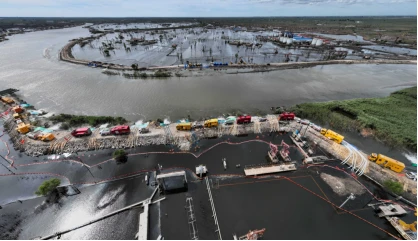
Rural areas are particularly vulnerable to flooding. These regions often lack the advanced infrastructure and resources available in urban centers. Many rural communities are located near rivers, lakes, or in low - lying areas, which are prone to inundation during heavy rainfall or snowmelt. Floods in rural areas can cause significant damage to crops, livestock, and property, disrupting the livelihoods of farmers and rural residents. Moreover, the isolation of some rural areas can make it difficult for emergency responders to reach quickly, exacerbating the impact of floods.
Advantages of Mobile Flood Relief Systems in Rural Areas
Mobility and Flexibility
One of the primary advantages of mobile flood relief systems is their mobility. These systems can be easily transported to different locations, allowing for rapid deployment in rural areas where floods may occur unexpectedly. Whether it's a small village on the outskirts of a river or a remote farmland, mobile flood relief systems can be quickly moved to the affected area, providing immediate relief. For example, our Dam Lake Drainage Emergency Pump can be loaded onto a truck and driven to the site of a flooded dam or lake in a rural area, helping to control the water level and prevent further damage.
Cost - Effectiveness
Rural areas often have limited budgets for flood prevention and relief. Mobile flood relief systems offer a cost - effective solution compared to building permanent flood control infrastructure. Instead of investing in large - scale, fixed - location pumps and levees, rural communities can rent or purchase mobile systems as needed. Our Diesel Flood Control Pump is a cost - efficient option for rural areas, as it can be used for multiple flood events and does not require a large upfront investment in construction.
Adaptability to Different Conditions
Rural areas can have diverse geographical and environmental conditions. Mobile flood relief systems are designed to be adaptable to these varying conditions. They can be used in different types of terrain, from flat farmlands to hilly regions. Additionally, these systems can handle different water sources, such as river water, rainwater, and groundwater. Our Government Emergency Flood Control Pump is engineered to work effectively in a wide range of rural settings, ensuring that it can provide reliable flood relief regardless of the specific conditions.
Challenges of Using Mobile Flood Relief Systems in Rural Areas
Limited Infrastructure
Rural areas may have limited infrastructure, such as poor road conditions and lack of power supply. This can pose challenges for the transportation and operation of mobile flood relief systems. For instance, heavy pumps may require well - maintained roads to be transported safely. In areas with no access to electricity, diesel - powered pumps are often used, but they require a continuous supply of fuel. To address these challenges, it's important to plan ahead and ensure that there are alternative transportation routes and fuel storage facilities in rural areas.
Lack of Technical Expertise
Operating mobile flood relief systems requires a certain level of technical expertise. In rural areas, there may be a shortage of trained personnel who can operate and maintain these systems. This can lead to improper use of the equipment, reducing its effectiveness. To overcome this challenge, we offer training programs to rural communities on how to operate and maintain our mobile flood relief systems. We also provide on - site support during flood events to ensure that the systems are used correctly.
Community Awareness and Preparedness
Many rural communities may not be fully aware of the importance of flood preparedness and the availability of mobile flood relief systems. There may be a lack of communication and education about flood risks and the appropriate response measures. As a supplier, we work closely with local governments and community organizations to raise awareness about flood relief systems and provide information on how to access them in case of a flood.
Real - World Applications of Mobile Flood Relief Systems in Rural Areas
There have been several successful cases of using mobile flood relief systems in rural areas. In a small rural village located near a river, heavy rainfall caused the river to overflow, flooding many homes and farmlands. Our mobile flood relief systems were quickly deployed to the area. The Dam Lake Drainage Emergency Pump was used to pump water from the flooded areas back into the river, reducing the water level and preventing further damage. The community was able to recover quickly from the flood, and the use of the mobile system saved a significant amount of property and crops.
In another case, a rural farm was affected by groundwater flooding. Our Diesel Flood Control Pump was used to pump out the groundwater, allowing the farmers to resume their agricultural activities sooner. These real - world examples demonstrate the effectiveness of mobile flood relief systems in rural areas.
Conclusion
In conclusion, mobile flood relief systems can be effectively used in rural areas. They offer several advantages, including mobility, cost - effectiveness, and adaptability, which make them well - suited for the unique challenges faced by rural communities. However, there are also challenges such as limited infrastructure, lack of technical expertise, and community awareness that need to be addressed.
As a supplier of Mobile Flood Relief Systems, we are committed to providing high - quality products and services to rural areas. We believe that by working together with local governments, community organizations, and rural residents, we can enhance flood preparedness and response in rural areas.
If you are interested in learning more about our mobile flood relief systems or would like to discuss procurement options, please feel free to contact us. We are eager to engage in discussions and provide solutions tailored to your specific needs in rural flood relief.
References
- Smith, J. (2018). Flood Risk Management in Rural Areas. Journal of Rural Studies, 60, 123 - 135.
- Johnson, R. (2019). The Role of Mobile Technologies in Disaster Relief. Disaster Management Review, 15(2), 45 - 58.
- Brown, A. (2020). Community - Based Flood Preparedness in Rural Communities. Rural Development Journal, 25(3), 78 - 90.