



Hey there! I'm a supplier of Mobile Flood Pump Trailers, and I often get asked about how to adjust the flow rate of these bad boys. It's a crucial aspect, especially when you're dealing with different flood situations. So, in this blog, I'll share some tips on how to adjust the flow rate of a Mobile Flood Pump Trailer.
Understanding the Basics
First things first, let's talk about what flow rate is. In simple terms, flow rate refers to the volume of water that the pump can move in a given amount of time. It's usually measured in gallons per minute (GPM) or liters per minute (LPM). The flow rate of a Mobile Flood Pump Trailer can be affected by several factors, including the pump's design, the power source, and the size of the hoses.
Factors Affecting Flow Rate
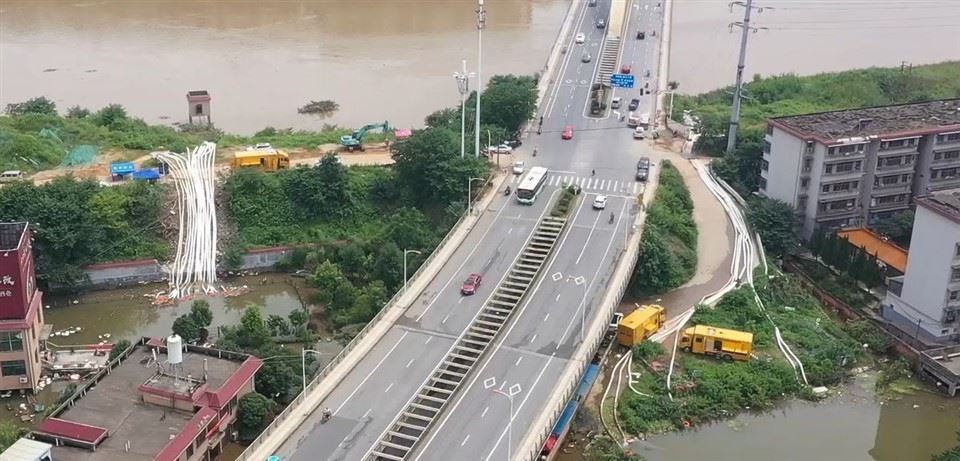
- Pump Design: Different pumps have different flow rate capabilities. Some pumps are designed for high flow rates, while others are better suited for high-pressure applications. When choosing a Mobile Flood Pump Trailer, it's important to consider the specific needs of your flood control project. For example, if you're dealing with a large volume of water, you'll need a pump with a high flow rate. Check out our Flood Control Mobile Pump Trailer for a great option.
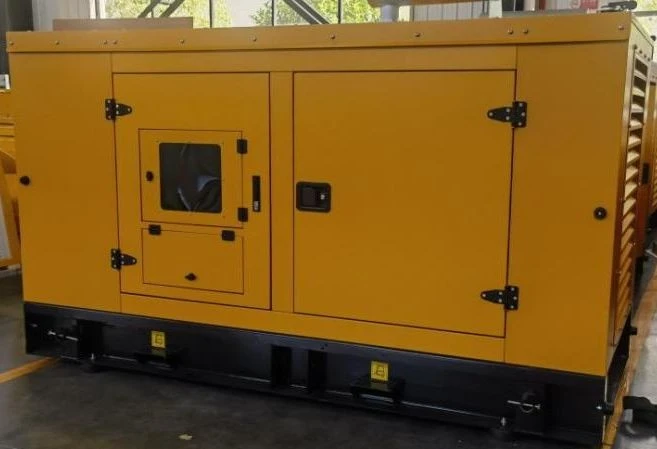
- Power Source: The power source of the pump can also affect the flow rate. Most Mobile Flood Pump Trailers are powered by diesel engines or electric motors. Diesel engines generally provide more power and can handle larger flow rates, but they also require more maintenance. Electric motors are more energy-efficient and quieter, but they may have limited power output.
- Hose Size: The size of the hoses used with the pump can have a significant impact on the flow rate. Larger hoses allow for more water to flow through, resulting in a higher flow rate. However, larger hoses also require more power to operate. It's important to choose the right size hoses for your pump to ensure optimal performance.
Adjusting the Flow Rate
Now that we understand the factors affecting flow rate, let's talk about how to adjust it. Here are some common methods:
- Throttle Control: Most Mobile Flood Pump Trailers are equipped with a throttle control that allows you to adjust the engine speed. By increasing the engine speed, you can increase the flow rate of the pump. However, it's important to note that increasing the engine speed also increases fuel consumption and wear on the engine. So, it's important to find the right balance between flow rate and fuel efficiency.
- Valve Adjustment: Some pumps are equipped with valves that can be adjusted to control the flow rate. By opening or closing the valves, you can increase or decrease the amount of water flowing through the pump. This method is often used in conjunction with throttle control to achieve the desired flow rate.
- Impeller Size: The impeller is a key component of the pump that helps to move water. By changing the size of the impeller, you can adjust the flow rate of the pump. However, this method requires more technical knowledge and should only be done by a qualified technician.
Tips for Optimal Flow Rate
- Regular Maintenance: To ensure optimal flow rate, it's important to perform regular maintenance on your Mobile Flood Pump Trailer. This includes checking the oil levels, changing the filters, and inspecting the hoses for leaks. By keeping your pump in good condition, you can prevent problems that could affect the flow rate.
- Proper Installation: Proper installation of the pump and hoses is also crucial for optimal flow rate. Make sure that the pump is level and securely mounted, and that the hoses are properly connected and free of kinks. Incorrect installation can cause a decrease in flow rate and even damage to the pump.
- Matching the Pump to the Application: As mentioned earlier, it's important to choose the right pump for your specific flood control project. Make sure that the pump has the right flow rate and pressure capabilities for the job. If you're not sure which pump to choose, our team of experts can help you select the best option. Check out our Water Drainage Pump Truck and Light Duty Rescue Pump Trucks for more options.
Conclusion
Adjusting the flow rate of a Mobile Flood Pump Trailer is an important skill for anyone involved in flood control. By understanding the factors affecting flow rate and using the right adjustment methods, you can ensure that your pump is operating at its optimal performance. Remember to perform regular maintenance, install the pump properly, and choose the right pump for your application.
If you're in the market for a Mobile Flood Pump Trailer or need more information on flow rate adjustment, don't hesitate to contact us. We're here to help you find the best solution for your flood control needs. Let's work together to keep your community safe from floods!
References
- Pump Handbook, 4th Edition by Igor J. Karassik, Joseph P. Messina, Paul Cooper, Charles C. Heald
- Flood Control and Drainage Engineering by Ven Te Chow