



As a seasoned supplier of dewatering pump trucks, I've encountered numerous inquiries regarding the suitability of these machines in marshy areas. This blog post aims to provide a comprehensive analysis of whether a dewatering pump truck can be effectively used in marshy terrains, exploring the technical aspects, benefits, challenges, and real - world applications.
Technical Capabilities of Dewatering Pump Trucks
Dewatering pump trucks are designed to handle a variety of water - removal tasks. They are equipped with powerful pumps that can generate high flow rates and sufficient head pressure to move water over significant distances. Most modern dewatering pump trucks are fitted with centrifugal pumps, which are known for their ability to handle large volumes of water with suspended solids.
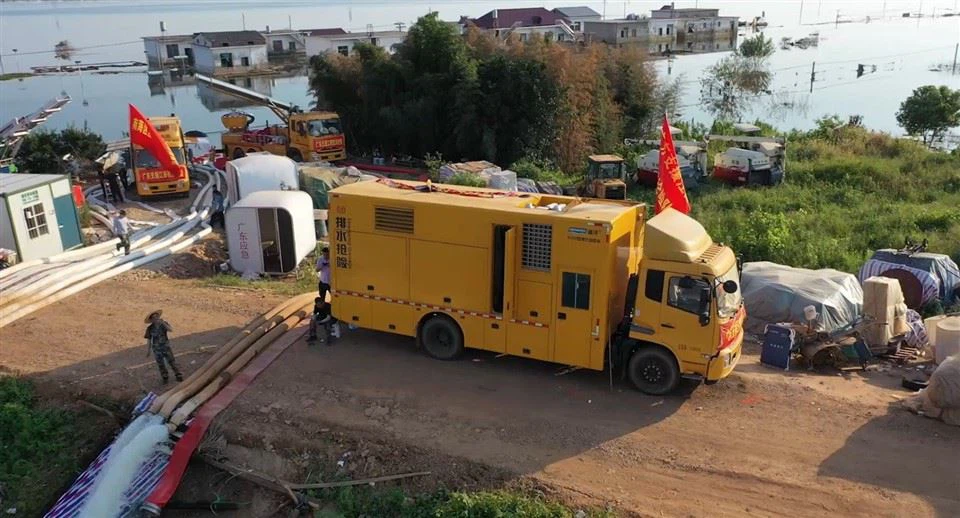
The design of the pump trucks allows for easy mobility, with many models mounted on trailers or trucks for quick deployment. This mobility is crucial when dealing with large marshy areas, as it enables operators to move the pump to different locations as needed. Additionally, the pumps can be adjusted to operate at different speeds and flow rates, providing flexibility in various dewatering scenarios.
Suitability for Marshy Areas
Advantages
-
Efficient Water Removal: Marshy areas are characterized by high water saturation. Dewatering pump trucks can quickly remove large volumes of water from these areas, which is essential for land reclamation projects, construction work, or environmental restoration. For example, in a construction project on a marshy site, the pump truck can lower the water table, making the ground more stable for building foundations.
-
Mobility: The ability to move the pump truck around the marshy area is a significant advantage. Unlike fixed pumping stations, which are limited to a single location, a dewatering pump truck can be easily repositioned to target different parts of the marsh. This is particularly useful in irregularly shaped marshy areas or those with multiple water - pooling zones.

-
Handling of Suspended Solids: Marsh water often contains a high concentration of suspended solids such as mud, silt, and organic matter. Dewatering pump trucks are designed to handle these solids without significant clogging. The robust construction of the pumps and the large - diameter impellers allow for the passage of solid particles, ensuring continuous operation.
-
Flexibility in Operation: Dewatering pump trucks can be operated in a variety of modes. They can be used for continuous dewatering over an extended period or for intermittent pumping as required. This flexibility makes them suitable for different types of marshy area projects, whether it's a long - term land reclamation or a short - term flood control operation.
Challenges
- Terrain Accessibility: Marshy areas can be difficult to access due to the soft and unstable ground. The weight of the dewatering pump truck may cause it to sink or get stuck, especially in areas with very high water content and low bearing capacity. Specialized equipment such as tracked vehicles or floating platforms may be required to transport the pump truck safely to the desired location.
- Maintenance: The presence of sediment and organic matter in marsh water can accelerate wear and tear on the pump components. Regular maintenance is required to ensure the proper functioning of the pump. This includes cleaning the pump, inspecting the impellers and seals, and replacing worn - out parts.
- Environmental Impact: When dewatering a marshy area, care must be taken to minimize the environmental impact. Removing too much water can disrupt the natural ecosystem, affecting the habitat of various plant and animal species. It is essential to follow environmental regulations and guidelines when using dewatering pump trucks in marshy areas.
Real - World Applications
- Construction Projects: In construction on marshy land, dewatering pump trucks are used to create a dry working environment. They are employed to lower the water table before excavation work begins, ensuring the stability of the foundation. For example, in the construction of a bridge over a marshy river, the pump trucks are used to dewater the construction site, allowing for the safe installation of the bridge piers.
- Land Reclamation: Dewatering pump trucks play a vital role in land reclamation projects. By removing water from marshy areas, the land can be converted into usable space for agriculture, residential, or industrial purposes. In coastal areas, these pump trucks are used to drain salt marshes and create new land for development.
- Flood Control: During heavy rainfall or floods, marshy areas can act as natural buffers. However, in some cases, excessive water accumulation may require dewatering to prevent flooding in nearby areas. Dewatering pump trucks can be quickly deployed to remove the excess water and prevent damage to infrastructure and property.
Related Products
If you are interested in dewatering solutions, we also offer a range of related products. Our Dewatering Pump Trailer provides a cost - effective and portable option for smaller dewatering tasks. The Flood Control Pump Truck is specifically designed for rapid water removal during flood events. And our High - efficiency Mobile Pumping Stations offer advanced features for large - scale dewatering projects.
Contact for Procurement
If you are considering using a dewatering pump truck for your marshy area project, we are here to assist you. Our team of experts can provide detailed information on the best pump truck models for your specific needs, offer technical support, and help you with the procurement process. We understand the unique challenges of working in marshy areas and can recommend the most suitable solutions.
References
- Smith, J. (2018). Dewatering Techniques in Construction. Construction Engineering Journal, 25(3), 123 - 135.
- Johnson, A. (2019). Environmental Impacts of Dewatering in Wetlands. Environmental Science Review, 15(2), 78 - 89.
- Brown, R. (2020). Mobile Pumping Systems for Flood Control. Water Management Journal, 30(4), 201 - 212.