


As a supplier of Mobile Drainage Pump Trailers, I often encounter inquiries regarding the applicability of our products in various scenarios, especially in agricultural drainage. This blog aims to explore whether a Mobile Drainage Pump Trailer can be effectively used for agricultural drainage, analyzing its advantages, limitations, and key considerations.
Advantages of Using Mobile Drainage Pump Trailers for Agricultural Drainage
Flexibility and Mobility
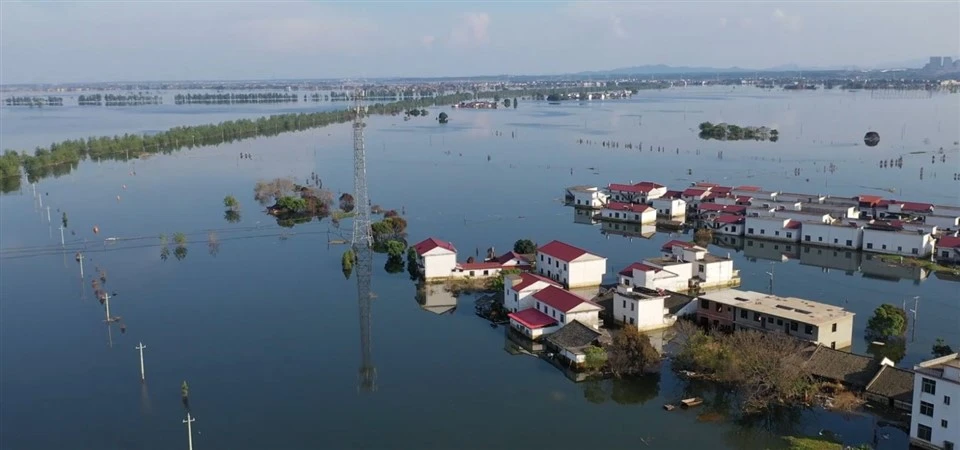
One of the most significant advantages of a Mobile Drainage Pump Trailer is its high degree of mobility. In agriculture, fields are often scattered across large areas, and different plots may require drainage at different times. A mobile pump trailer can be easily transported from one field to another, allowing farmers to address drainage issues promptly wherever they occur. For example, during heavy rainfall seasons, some low - lying areas of the farm may accumulate water quickly. The pump trailer can be quickly moved to these areas to start the drainage process, preventing waterlogging that could damage crops.
Cost - effectiveness
Compared to building a fixed drainage system, a Mobile Drainage Pump Trailer is a more cost - effective solution, especially for small and medium - sized farms. The initial investment in a fixed drainage system can be extremely high, including the cost of pipes, excavation, and installation. In contrast, a pump trailer has a relatively low purchase price and does not require complex infrastructure construction. Additionally, the maintenance cost of a pump trailer is also relatively low, mainly involving regular inspection and replacement of easily worn parts.

Quick Installation and Deployment
Time is of the essence in agricultural drainage. When heavy rain or floods threaten crops, a fast - acting drainage solution is crucial. Mobile Drainage Pump Trailers can be quickly installed and put into operation. They typically come with pre - assembled components and user - friendly interfaces, allowing farmers or farm workers to set up the pump within a short period. This rapid deployment can significantly reduce the time that crops are exposed to excessive water, minimizing potential losses.
Adaptability to Different Water Sources
Agricultural drainage may involve different types of water sources, such as surface water, groundwater, or runoff from irrigation. Mobile Drainage Pump Trailers can be equipped with different types of pumps to handle various water sources. For instance, centrifugal pumps are suitable for draining large volumes of surface water, while submersible pumps can be used for groundwater drainage. This adaptability makes the pump trailer a versatile tool for agricultural drainage.
Limitations of Mobile Drainage Pump Trailers in Agricultural Drainage
Limited Pumping Capacity
Although Mobile Drainage Pump Trailers are available in different sizes and pumping capacities, their capacity is generally limited compared to large - scale fixed drainage systems. In cases of severe flooding or large - area waterlogging, multiple pump trailers may need to be used simultaneously to achieve the required drainage volume. Moreover, continuous long - term operation at maximum capacity may cause wear and tear on the pump, reducing its service life.
Dependence on Power Supply
Most Mobile Drainage Pump Trailers require a power source to operate. In rural agricultural areas, access to a stable power grid may be limited. While some pump trailers can be powered by diesel engines, the cost of fuel can be a significant expense, especially during long - term or high - intensity drainage operations. Additionally, the exhaust emissions from diesel - powered pumps may have a certain impact on the environment.
Vulnerability to Harsh Environments
Agricultural fields are often exposed to harsh environmental conditions, such as dust, mud, and extreme weather. These conditions can pose challenges to the operation and durability of Mobile Drainage Pump Trailers. Dust and mud can clog the pump inlet, reducing its efficiency. Extreme temperatures, especially in winter, may also affect the performance of the pump and its components.
Key Considerations for Using Mobile Drainage Pump Trailers in Agricultural Drainage
Pump Selection
Choosing the right pump is crucial for effective agricultural drainage. Factors such as the type of water source, the required pumping volume, and the head (the vertical distance the water needs to be pumped) should be taken into account. For example, if the water source contains a large amount of sediment, a pump with good anti - clogging performance should be selected. Large Mobile Drainage Pump Station and Dewatering Pump Truck on our website provide more information on different types of pumps and their applications.
Maintenance and Inspection
Regular maintenance and inspection are essential to ensure the reliable operation of Mobile Drainage Pump Trailers. This includes checking the pump's impeller, seals, and bearings for wear, cleaning the pump inlet and outlet, and testing the electrical or mechanical components. Farmers should also keep spare parts on hand to minimize downtime in case of component failure.
Safety Precautions
When using Mobile Drainage Pump Trailers, safety should be a top priority. Operators should be trained to follow safety procedures, such as wearing appropriate protective equipment, ensuring proper grounding of the pump, and avoiding operating the pump in wet or dangerous conditions. Additionally, the pump trailer should be parked on a stable and level surface to prevent tipping during operation.
Conclusion
In conclusion, a Mobile Drainage Pump Trailer can be a valuable tool for agricultural drainage. Its flexibility, cost - effectiveness, and quick deployment make it suitable for small and medium - sized farms or for addressing localized drainage issues. However, it also has some limitations, such as limited pumping capacity and dependence on power supply. By carefully considering the pump selection, maintenance, and safety precautions, farmers can maximize the benefits of using a Mobile Drainage Pump Trailer in agricultural drainage.
If you are interested in our Mobile Drainage Pump Trailers or need more information on agricultural drainage solutions, please feel free to contact us for procurement discussions. We are committed to providing high - quality products and professional services to meet your agricultural drainage needs.
References
- Agricultural Engineering Handbook: This comprehensive handbook provides in - depth knowledge on various agricultural engineering topics, including drainage systems and equipment.
- Journal of Agricultural and Biological Engineering: This journal publishes research papers on the latest developments in agricultural engineering, offering insights into the performance and application of drainage pumps.
- Manufacturer's manuals: The product manuals provided by the pump trailer manufacturers offer detailed information on the operation, maintenance, and technical specifications of the equipment.