


Hey there! As a supplier of Traction Large Flow Pumps, I'm super excited to share some insights on how to test the performance of a newly installed Traction Large Flow Pump. These pumps are real workhorses, and making sure they're up to the mark is crucial for any project.
Initial Checks Before Testing
Before we dive into the actual performance testing, there are a few initial checks we need to do. First off, we've got to make sure the pump is installed correctly. Check all the connections - the inlet and outlet pipes, the power supply, and any control systems. Loose connections can cause all sorts of problems, like leaks or erratic operation.
Also, take a good look at the pump's physical condition. Are there any visible damages, like cracks in the casing or bent impellers? Even a small defect can affect the pump's performance in the long run. And don't forget to check the lubrication levels if it's a pump that requires it. Proper lubrication is key to keeping the moving parts running smoothly.
Flow Rate Testing
One of the most important performance indicators of a Traction Large Flow Pump is its flow rate. To test this, we usually use a flow meter. There are different types of flow meters available, like electromagnetic, ultrasonic, or mechanical ones. The choice depends on the specific requirements of the pump and the fluid it's handling.
First, we need to set up the flow meter correctly. Make sure it's installed in the right position in the pipeline, following the manufacturer's instructions. Then, start the pump and let it run for a while to reach a stable operating condition. Once it's stable, record the flow rate reading from the flow meter.
We should compare this reading with the pump's rated flow rate, which you can find in the product specifications. If the actual flow rate is significantly lower than the rated one, there could be an issue. It might be due to a blockage in the pipeline, a problem with the impeller, or an incorrect pump speed.
Head Testing
Another crucial aspect is the pump's head, which is basically the height to which the pump can lift the fluid. To test the head, we need to measure the pressure at the pump's outlet and inlet. We can use pressure gauges for this.
Start by installing the pressure gauges at the appropriate points on the pump's inlet and outlet pipes. Then, run the pump and record the pressure readings once it reaches a steady state. The difference between the outlet and inlet pressures gives us the pump's total head.
Again, compare this measured head with the rated head in the product specs. If the measured head is lower than expected, it could indicate problems like a worn-out impeller, a leak in the pipeline, or an incorrect pump configuration.
Power Consumption Testing
Testing the power consumption of the Traction Large Flow Pump is also important. We can use a power meter to measure the electrical power drawn by the pump.
Connect the power meter to the pump's electrical supply and start the pump. Record the power consumption reading once the pump is running steadily. High power consumption could be a sign of inefficiency, which might be caused by mechanical issues, such as excessive friction in the bearings or a misaligned motor.
Efficiency Calculation
Once we have the flow rate, head, and power consumption data, we can calculate the pump's efficiency. The efficiency of a pump is the ratio of the useful power output (hydraulic power) to the power input (electrical power).
The hydraulic power can be calculated using the formula: Hydraulic Power = (Flow Rate x Head x Density x Gravity) / 1000. Then, divide the hydraulic power by the electrical power to get the pump's efficiency.
A low efficiency value might mean that the pump needs some adjustments or maintenance. It could also be a sign that the pump is not the right size for the application.
Noise and Vibration Testing
Noise and vibration are also important factors to consider. Excessive noise and vibration can indicate problems like misalignment, unbalanced impellers, or worn-out bearings.
We can use a sound level meter to measure the noise level around the pump. The normal operating noise level should be within the acceptable range specified by the manufacturer. If the noise level is too high, it's a red flag that something is wrong.
For vibration testing, we can use a vibration analyzer. Mount the analyzer on the pump's casing at different points and start the pump. The analyzer will measure the vibration amplitude and frequency. Compare the measured values with the recommended limits. If the vibration is outside the normal range, it could lead to premature wear and tear of the pump components.
Long - Term Testing
In addition to the initial performance tests, it's also a good idea to conduct long - term testing. Run the pump continuously for a certain period, say 24 hours or more, and monitor its performance parameters regularly.
During this long - term test, check for any changes in the flow rate, head, power consumption, noise, or vibration. If there are any gradual changes, it could indicate a developing problem that needs to be addressed before it gets worse.
Conclusion
Testing the performance of a newly installed Traction Large Flow Pump is a comprehensive process that involves multiple steps and parameters. By carefully testing the flow rate, head, power consumption, efficiency, noise, and vibration, we can ensure that the pump is operating at its best.
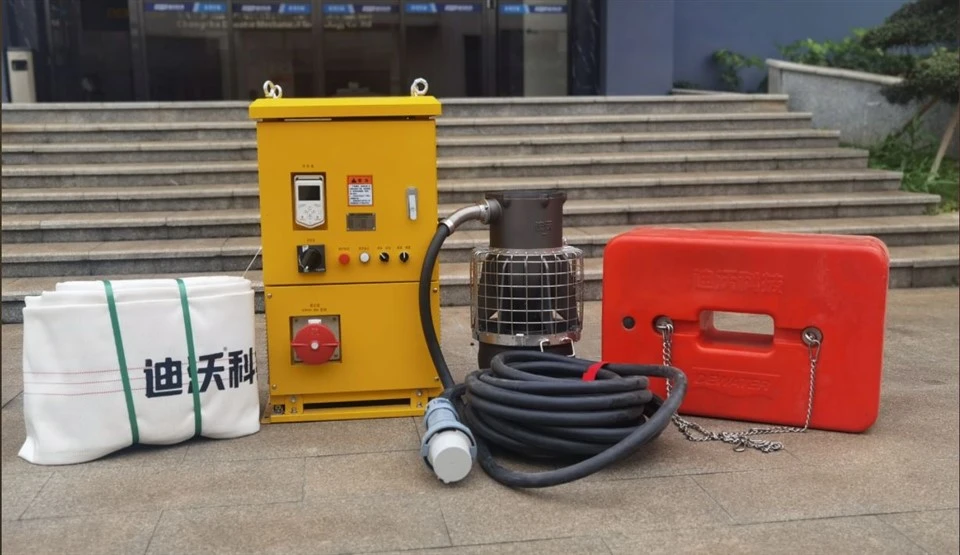
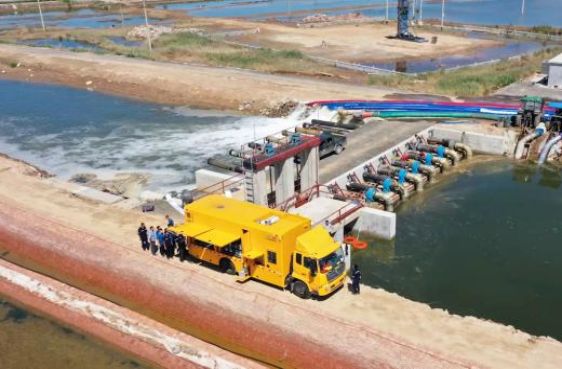
If you're in the market for a high - quality Traction Large Flow Pump, you can check out our Traction Large Flow Pump. We also offer other great pumps like the Seawater Backfilling Drainage Pump and the Mobile Dewatering Pump.
If you have any questions or are interested in purchasing our pumps, don't hesitate to get in touch with us. We're here to help you find the perfect pumping solution for your needs.
References
- Pump Handbook, Karassik, I. J., Messina, J. P., Cooper, P. W., & Heald, C. C.
- Pump Systems Matter, A program of the U.S. Department of Energy's Advanced Manufacturing Office.