


Yo, folks! As a supplier of Portable Mobile Drainage Pumps, I've seen firsthand the ongoing debate about which is more flexible in use: portable mobile pumps or stationary drainage pumps. Today, I'm gonna break it down for you and share my two cents on this hot topic.
Let's start with stationary drainage pumps. These bad boys are designed to be installed in a fixed location, usually in a building's basement, a sump pit, or near a large water source. They're typically connected to a permanent power supply and plumbing system, which means they're always ready to go when you need them. Stationary pumps are great for handling large volumes of water over a long period of time. They're often used in industrial settings, like factories and mines, where there's a constant need to remove water.
One of the biggest advantages of stationary pumps is their reliability. Since they're permanently installed and connected to a power source, you don't have to worry about running out of battery or fuel. They're also built to last, with heavy-duty components that can withstand the rigors of continuous use. Another benefit is their efficiency. Stationary pumps are usually larger and more powerful than portable pumps, which means they can move water faster and more effectively.
However, stationary pumps do have their limitations. The biggest drawback is their lack of flexibility. Once they're installed, they're pretty much stuck in one place. If you need to move the pump to another location, you'll have to go through the hassle of disconnecting it from the power supply and plumbing system, and then reinstalling it elsewhere. This can be time-consuming and expensive, especially if you need to do it frequently.
Another limitation of stationary pumps is their cost. They're usually more expensive to purchase and install than portable pumps, and they also require more maintenance. You'll need to hire a professional to install the pump and make sure it's properly connected to the power supply and plumbing system. You'll also need to schedule regular maintenance to keep the pump in good working condition.
Now, let's talk about portable mobile drainage pumps. These pumps are designed to be easily moved from one location to another, making them ideal for a variety of applications. They're often used in emergency situations, like flooding or water leaks, where you need to quickly remove water from a specific area. Portable pumps are also popular among homeowners and contractors who need to pump water out of basements, swimming pools, or construction sites.
One of the biggest advantages of portable pumps is their flexibility. They're lightweight and easy to carry, which means you can take them with you wherever you go. You can also use them in a variety of locations, as long as there's a power source or fuel available. Another benefit is their affordability. Portable pumps are usually less expensive to purchase and operate than stationary pumps, making them a great option for those on a budget.
Portable pumps are also easy to use. Most models come with a simple on/off switch and a few basic controls, which means you don't need any special training or skills to operate them. They're also easy to maintain, with simple components that can be easily replaced if they break down.
However, portable pumps do have their limitations. The biggest drawback is their power. Portable pumps are usually smaller and less powerful than stationary pumps, which means they can't move as much water as quickly. They're also not designed for continuous use, so you'll need to take breaks to let the pump cool down if you're using it for an extended period of time.
Another limitation of portable pumps is their reliability. Since they're powered by batteries or fuel, you need to make sure you have enough power to keep the pump running. If you run out of battery or fuel, the pump will stop working, which can be a problem if you're in the middle of an emergency situation.
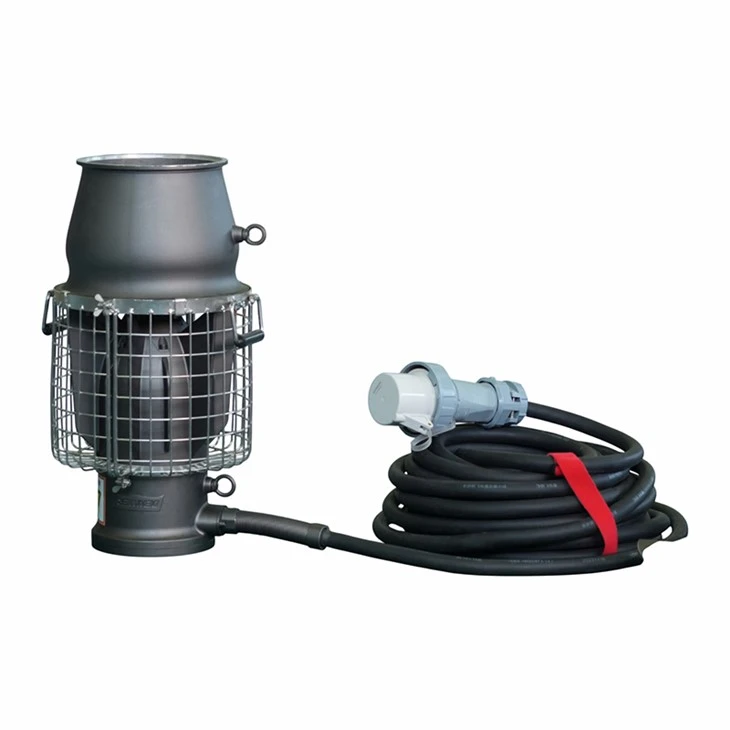
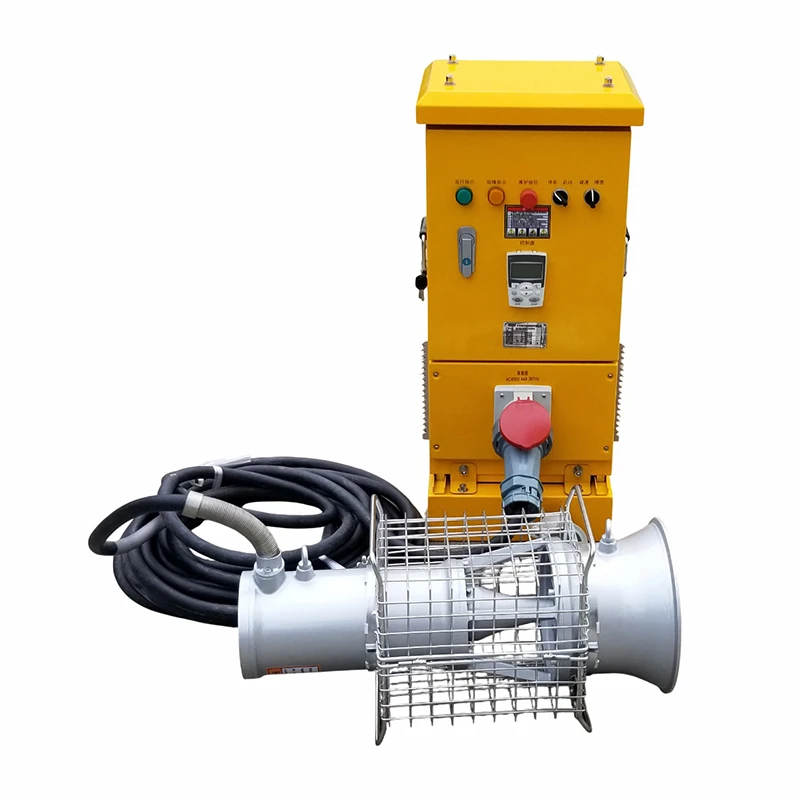
So, which one is more flexible in use: portable mobile pumps or stationary drainage pumps? Well, it really depends on your specific needs and circumstances. If you need to pump large volumes of water over a long period of time, and you don't need to move the pump around very often, then a stationary pump might be the best option for you. However, if you need to quickly remove water from a specific area, and you need to be able to move the pump around easily, then a portable pump might be a better choice.
As a supplier of Portable Mobile Drainage Pumps, I obviously have a bias towards portable pumps. I believe they offer a lot of advantages over stationary pumps, especially when it comes to flexibility and affordability. But I also understand that stationary pumps have their place, and they're the right choice for some applications.
If you're in the market for a drainage pump, I encourage you to do your research and compare the different options available. Consider your specific needs and circumstances, and choose the pump that's best for you. And if you have any questions or need more information, don't hesitate to contact me. I'm here to help you find the right pump for your needs.
Here are some of the products we offer that might be of interest to you:
- Floodwater Drainage Mobile Pump: This pump is designed to quickly remove floodwater from homes, businesses, and other areas. It's lightweight and easy to carry, and it can be powered by a variety of sources, including batteries, generators, and solar panels.
- Mobile Flooding Control Pump: This pump is ideal for controlling flooding in large areas, such as fields, parks, and construction sites. It's powerful and efficient, and it can be easily moved from one location to another.
- BQS400-300 Mining Explosion-Proof Submersible Drainage Pump: This pump is designed for use in mining applications, where there's a risk of explosion. It's explosion-proof and submersible, and it can handle large volumes of water and solids.
If you're interested in purchasing any of these products, or if you have any questions or need more information, please don't hesitate to contact me. I'm here to help you find the right pump for your needs.
References: