


Hey there! As a supplier of Rescue Mobile Drainage Pumps, I often get asked about the vibration level of these pumps. It's a crucial factor, and today, I'm gonna break it down for you.
Why Vibration Level Matters
First off, let's talk about why the vibration level of a rescue mobile drainage pump is so important. Vibration isn't just some random movement that doesn't matter. Excessive vibration can lead to a whole bunch of problems. For starters, it can cause wear and tear on the pump's components. If the vibration is too high, parts like bearings, seals, and impellers can start to break down faster than they should. This means more frequent maintenance and replacement costs, which can really add up over time.
It also affects the pump's performance. When a pump vibrates too much, it might not be able to operate at its optimal efficiency. This could result in lower flow rates and reduced head, which are both super important when you're trying to drain water quickly during a rescue operation.
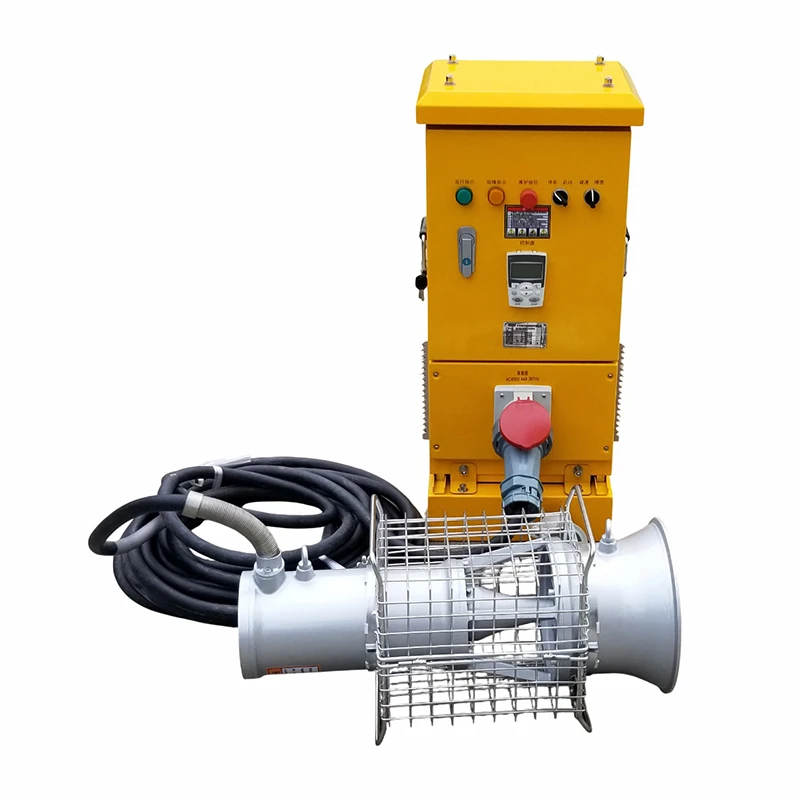

And then there's the safety aspect. High - vibration levels can make the pump unstable. In a rescue situation, you need your equipment to be reliable and safe. An unstable pump could potentially tip over or cause other hazards, putting the operators at risk.
Factors Affecting Vibration Level
Now, what are the factors that can affect the vibration level of a rescue mobile drainage pump?
1. Imbalance
One of the main culprits is imbalance. The impeller is a key part of the pump, and if it's not balanced properly, it can cause a lot of vibration. During the manufacturing process, even a small deviation in the impeller's mass distribution can lead to imbalance. Over time, wear and tear on the impeller can also cause it to become unbalanced. For example, if some material gets stuck on one side of the impeller, it can throw off the balance and increase vibration.
2. Misalignment
Misalignment between the pump and the motor is another big factor. When the pump and the motor aren't properly aligned, it creates extra stress on the shaft and other components. This stress results in increased vibration. Misalignment can happen during installation if the alignment isn't checked carefully, or it can occur over time due to factors like temperature changes or mechanical shocks.
3. Cavitation
Cavitation is a phenomenon that occurs when the pressure in the pump drops below the vapor pressure of the liquid being pumped. This causes vapor bubbles to form, which then collapse when they move to a higher - pressure area. The collapse of these bubbles creates shock waves that can cause significant vibration. Cavitation can be caused by factors such as a clogged inlet, improper pump sizing, or a high flow rate.
4. Mounting
How the pump is mounted also plays a role in its vibration level. If the pump isn't mounted securely or if the mounting surface isn't flat and stable, it can lead to increased vibration. For example, if the pump is mounted on a surface that's uneven or flexible, it won't be able to absorb the vibrations properly, and the vibrations will be more noticeable.
Measuring Vibration Level
So, how do we measure the vibration level of a rescue mobile drainage pump? There are several methods and tools available.
One common way is to use vibration sensors. These sensors can be attached to the pump at different points, such as the bearings or the casing. They measure the amplitude and frequency of the vibrations. The data collected by these sensors can then be analyzed to determine if the vibration level is within the acceptable range.
Another method is to use visual inspection. Although it's not as accurate as using sensors, an experienced operator can often tell if a pump is vibrating too much just by looking at it. For example, if the pump is shaking visibly or if there are signs of excessive movement in the piping connected to the pump, it could indicate a high vibration level.
Acceptable Vibration Levels
What are the acceptable vibration levels for a rescue mobile drainage pump? Well, it depends on several factors, such as the type of pump, its size, and the application.
In general, most manufacturers specify a maximum allowable vibration level for their pumps. This is usually given in terms of displacement (how far the pump moves), velocity (how fast it moves), or acceleration (how quickly its speed changes). For example, for a small - to - medium - sized rescue mobile drainage pump, an acceptable vibration velocity might be in the range of 0.5 to 2.8 mm/s.
However, in a rescue situation, it's always better to aim for the lower end of the acceptable range. This ensures that the pump is operating as smoothly and efficiently as possible, reducing the risk of breakdowns and increasing the safety of the operators.
Our Products and Vibration Control
At our company, we take vibration control very seriously. When we manufacture our Mobile Pump Truck, Floodwater Drainage Mobile Pump, and Seawater Backfilling Drainage Pump, we use high - precision manufacturing processes to ensure that the impellers are balanced correctly. We also perform thorough alignment checks during the assembly process to minimize misalignment.
We use advanced materials and design techniques to reduce the risk of cavitation. For example, our pumps are designed with optimized inlet geometries to ensure a smooth flow of water and prevent the formation of vapor bubbles.
In addition, we pay close attention to the mounting of the pumps. Our pumps are mounted on sturdy frames that are designed to absorb vibrations and keep the pump stable.
Conclusion
The vibration level of a rescue mobile drainage pump is a critical factor that can affect its performance, reliability, and safety. By understanding the factors that affect vibration, measuring it accurately, and taking steps to control it, we can ensure that our pumps operate at their best.
If you're in the market for a high - quality rescue mobile drainage pump, don't hesitate to get in touch with us. We're here to provide you with the best products and support to meet your needs. Whether it's for flood rescue, seawater backfilling, or any other drainage application, our pumps are up to the task.
References
- Pump Handbook, Third Edition by Igor Karassik, Joseph P. Messina, Paul Cooper, and Charles C. Heald
- ASME Standards on Pump Vibration