


When it comes to emergency water rescue pickup, safety is of paramount importance. As a supplier of Emergency Water Rescue Pickup, we understand the critical nature of these operations and the need for comprehensive safety measures. In this blog post, we will explore the various safety protocols and precautions that are taken during emergency water rescue pickup.
Pre - operation Safety Checks
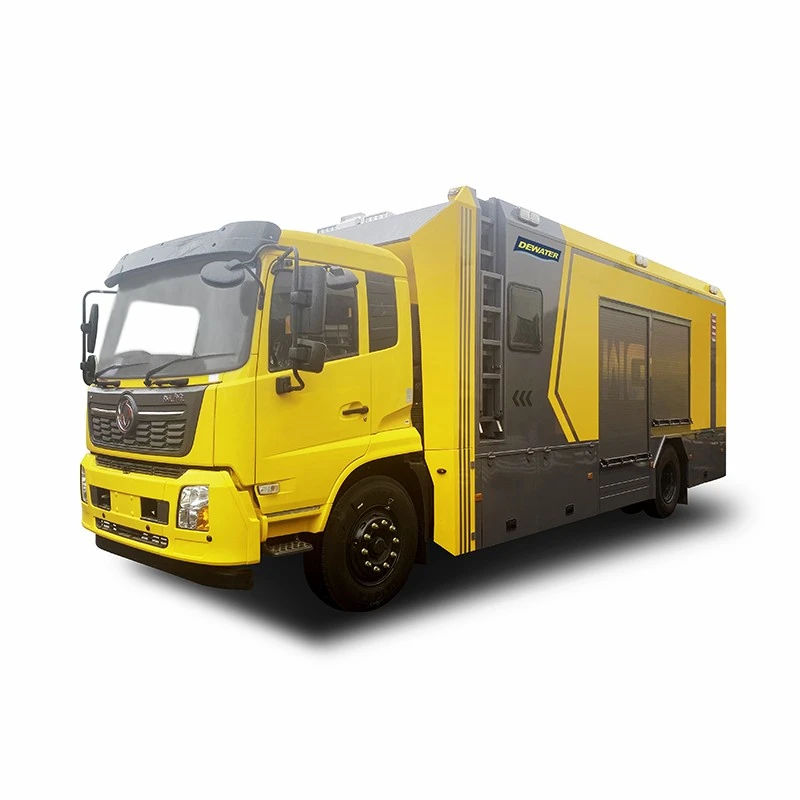
Before any emergency water rescue pickup mission begins, a series of pre - operation safety checks are conducted. First and foremost, the equipment, including Drainage Pump Vehicles in Disaster Sites and High - flow Drainage Rescue Vehicle, is thoroughly inspected. This includes checking the pumps for proper functioning, ensuring that all hoses are intact and free from leaks, and verifying the integrity of the vehicle's mechanical systems.
The rescue team members also undergo a detailed safety briefing. They are informed about the nature of the mission, the potential hazards, and the specific safety procedures to follow. Personal protective equipment (PPE) is distributed and inspected. Each team member is required to wear appropriate gear such as life jackets, waterproof boots, helmets, and protective gloves. The life jackets are carefully adjusted to ensure a proper fit, and their buoyancy is tested to guarantee they can support the weight of the wearer in water.
Site Assessment
Upon arrival at the rescue site, a comprehensive site assessment is carried out. The team evaluates the water conditions, including the depth, flow rate, and the presence of any contaminants or debris. They also assess the stability of the surrounding terrain, looking for signs of erosion, landslides, or other potential hazards. This information is crucial for determining the safest approach to the rescue operation.
If the water is flowing rapidly, the team may use specialized equipment such as flow meters to accurately measure the flow rate. This data helps in deciding the appropriate rescue techniques and the type of equipment to be used. In addition, the team looks for any underwater obstacles, such as fallen trees or submerged structures, which could pose a danger to the rescue personnel and the equipment.
Communication and Coordination
Effective communication is essential during an emergency water rescue pickup. The rescue team uses a variety of communication tools, including radios and mobile phones, to stay in touch with each other and with the command center. A clear chain of command is established, and all team members are aware of their roles and responsibilities.
The team also coordinates with other emergency response agencies, such as local fire departments, police, and medical teams. This ensures that there is a unified response and that all resources are used efficiently. For example, the medical team is on standby to provide immediate medical assistance to any injured victims.
Rescue Techniques
When it comes to rescuing people from the water, the team employs a range of safe and proven techniques. One common method is the use of ropes and harnesses. The rescue team members are trained to tie secure knots and use ropes to create a safety line. This line can be used to pull victims out of the water or to provide support to the rescue personnel as they enter the water.
In some cases, inflatable boats may be used. These boats are designed to be stable in rough water conditions and can quickly reach victims in distress. The boat operators are highly trained and follow strict safety procedures. They keep a safe distance from the shore and other obstacles, and they ensure that all passengers are wearing life jackets.
Equipment Safety
The equipment used in emergency water rescue pickup is designed to meet strict safety standards. The drainage pump vehicles are equipped with safety features such as emergency shut - off switches, which can be activated in case of an emergency. The pumps are also designed to prevent overheating and to handle different types of water, including water with high levels of debris.
The hoses used for pumping water are made of durable materials that can withstand the pressure and the abrasive nature of the water. They are regularly inspected for signs of wear and tear, and any damaged hoses are immediately replaced. In addition, the equipment is properly maintained and serviced to ensure its continued reliability.
Post - operation Safety
After the rescue operation is completed, the team conducts a post - operation safety review. They evaluate the effectiveness of the safety measures that were implemented during the mission and identify any areas for improvement. The equipment is thoroughly cleaned, inspected, and stored properly.
The rescue team members also receive a debriefing session. They are given an opportunity to share their experiences and any observations they made during the operation. This feedback is used to enhance the safety procedures for future missions.
Training and Drills
To ensure that the rescue team is always prepared for an emergency, regular training and drills are conducted. These training sessions cover a wide range of topics, including rescue techniques, equipment operation, and safety procedures. The team members practice their skills in various simulated scenarios, which helps them to become more confident and proficient in handling real - life emergencies.
The drills also include scenarios where the team has to respond to unexpected situations, such as equipment failures or changes in the water conditions. This helps them to develop the ability to think on their feet and make quick, safe decisions.

Conclusion
In conclusion, emergency water rescue pickup is a complex and dangerous operation that requires strict adherence to safety measures. From pre - operation checks to post - operation reviews, every step of the process is carefully planned and executed to ensure the safety of the rescue team and the victims. As a supplier of Emergency Water Rescue Pickup equipment, we are committed to providing high - quality, reliable products that meet the highest safety standards.
If you are in need of emergency water rescue pickup equipment or services, we encourage you to contact us for a detailed discussion. Our team of experts can provide you with the information and support you need to make an informed decision.
References
- "Water Rescue Handbook" by the National Fire Protection Association
- "Emergency Response Guidelines for Water - related Disasters" by the Federal Emergency Management Agency
- "Safety Standards for Rescue Equipment" by the International Maritime Organization