


Hey there! As a supplier of Rescue Mobile Drainage Pumps, I often get asked about the pump casing material. It's a crucial part of the pump, and understanding it can help you make a better choice when it comes to purchasing. So, let's dive right in and explore what the pump casing material of a rescue mobile drainage pump is all about.
Why the Pump Casing Matters
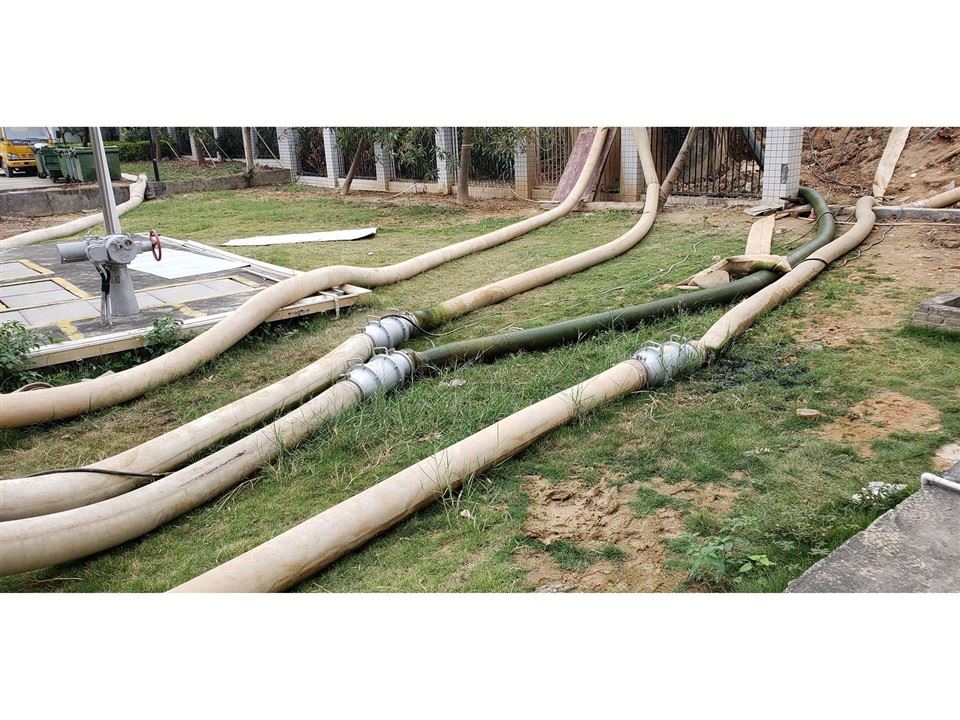
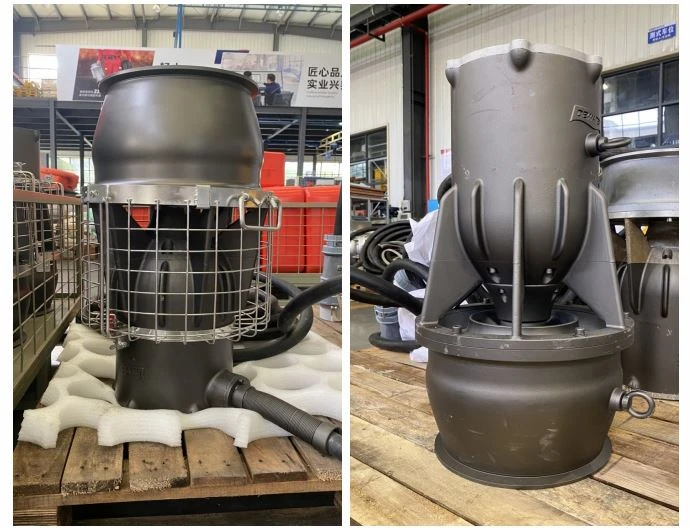
First things first, the pump casing is like the armor of the pump. It protects the internal components from external damage, such as impacts, corrosion, and abrasion. A good casing can also improve the pump's efficiency by maintaining the right flow and pressure. In a rescue situation, where every second counts, a reliable pump casing can make all the difference.
Common Pump Casing Materials
There are several materials commonly used for pump casings, each with its own advantages and disadvantages. Let's take a look at some of the most popular ones.
Cast Iron
Cast iron is one of the oldest and most widely used materials for pump casings. It's known for its strength, durability, and resistance to wear. Cast iron casings can handle high pressures and are suitable for a variety of applications, including flood - fighting and heavy - duty dewatering. However, cast iron is relatively heavy, which can make the pump less portable. Also, it's prone to corrosion if not properly protected.
If you're interested in a Flood - fighting and Rescue Mobile Pump with a cast - iron casing, you'll find that it can withstand the rigors of tough rescue operations.
Stainless Steel
Stainless steel is another popular choice for pump casings. It offers excellent corrosion resistance, making it ideal for use in harsh environments, such as saltwater or chemical - laden water. Stainless steel is also relatively lightweight compared to cast iron, which is a plus for mobile pumps. Additionally, it has a smooth surface finish, which can reduce friction and improve the pump's efficiency.
However, stainless steel is more expensive than cast iron. So, if cost is a major concern, you might need to weigh the benefits against the price. Our Diesel Engine Heavy Duty Dewatering Pump with a stainless - steel casing is a great option for those who need a corrosion - resistant pump for heavy - duty work.
Aluminum
Aluminum is a lightweight and corrosion - resistant material. It's easy to machine, which allows for more complex casing designs. Aluminum casings are often used in mobile pumps because of their low weight, which makes the pumps easier to transport and maneuver. They're also relatively inexpensive compared to stainless steel.
But aluminum has its limitations. It's not as strong as cast iron or stainless steel, so it may not be suitable for high - pressure applications. Also, it can be damaged more easily by impacts. If you're looking for a lightweight Mobile Flooding Pump, an aluminum - cased pump could be a good choice for less demanding situations.
Fiberglass - Reinforced Plastic (FRP)
FRP is a composite material that combines the strength of fiberglass with the flexibility of plastic. It's lightweight, corrosion - resistant, and has good insulation properties. FRP casings can be molded into various shapes, which gives designers more freedom. They're also resistant to chemicals and UV rays, making them suitable for outdoor use.
On the downside, FRP may not be as strong as metal casings in high - stress situations. It can also be more difficult to repair if damaged.
Factors to Consider When Choosing the Pump Casing Material
When choosing the pump casing material for your rescue mobile drainage pump, there are several factors you need to consider.
Application
The type of application is one of the most important factors. If you're using the pump for flood - fighting in a freshwater environment, a cast - iron or aluminum casing might be sufficient. But if you're dealing with saltwater or corrosive chemicals, stainless steel or FRP would be a better choice.
Portability
If you need a pump that can be easily moved from one location to another, a lightweight material like aluminum or stainless steel is preferable. Heavy materials like cast iron can make the pump difficult to transport, especially in emergency situations.
Cost
Cost is always a consideration. You need to balance the performance and durability of the casing material with your budget. Sometimes, a more expensive material may be worth the investment in the long run, especially if it can reduce maintenance and replacement costs.
Maintenance
Different materials require different levels of maintenance. For example, cast iron casings need to be painted or coated regularly to prevent corrosion. Stainless steel casings are relatively low - maintenance but may require special cleaning agents to keep them looking good.
Our Experience as a Supplier
As a supplier of Rescue Mobile Drainage Pumps, we've seen firsthand how the choice of casing material can impact the performance and longevity of the pump. We work closely with our customers to understand their specific needs and recommend the most suitable casing material.
We've provided pumps with different casing materials to various customers, from local fire departments to large - scale construction companies. Each customer has unique requirements, and we're proud to offer a range of options to meet those needs.
Conclusion
In conclusion, the pump casing material of a rescue mobile drainage pump is a critical factor that can affect the pump's performance, durability, and portability. Cast iron, stainless steel, aluminum, and FRP are all common materials, each with its own pros and cons. When choosing the material, you need to consider the application, portability, cost, and maintenance requirements.
If you're in the market for a rescue mobile drainage pump and have questions about the casing material or any other aspect of the pump, don't hesitate to reach out. We're here to help you make the right choice for your specific needs. Whether you're looking for a Flood - fighting and Rescue Mobile Pump, a Diesel Engine Heavy Duty Dewatering Pump, or a Mobile Flooding Pump, we've got you covered. Let's start a conversation and find the perfect pump for you!
References
- "Pump Handbook" by Igor J. Karassik et al.
- Various industry reports on pump manufacturing and materials.