


Hey there! As a supplier of Traction Large Flow Pumps, I often get asked about the head - flow characteristic curve of these pumps. So, I thought I'd take some time to break it down for you in this blog post.
First off, let's understand what a head - flow characteristic curve is. In simple terms, it's a graph that shows the relationship between the pump's head (basically the height the pump can lift water) and the flow rate (how much water the pump can move in a given time). This curve is super important because it helps us figure out how well a pump will perform in different situations.
For Traction Large Flow Pumps, the head - flow characteristic curve has some unique features. These pumps are designed to handle large volumes of water, so the flow rate on the curve is usually pretty high. They're often used in scenarios where you need to move a lot of water quickly, like in flood control, large - scale irrigation, or industrial water transfer.
The curve typically starts with a high head and low flow rate at the beginning. As the flow rate increases, the head starts to decrease. This is because as more water is being pushed through the pump, there's more resistance, and the pump can't lift the water as high. The shape of the curve can vary depending on the design of the pump, like the impeller size, the number of stages, and the type of casing.
Let's talk about why this curve matters. If you're planning to use a Traction Large Flow Pump for a specific project, you need to know the head and flow rate requirements. For example, if you're using it for Underground Garage Drainage Pump, you need to make sure the pump can handle the depth of the garage (which determines the head) and the rate at which water accumulates (the flow rate). By looking at the head - flow characteristic curve, you can select the right pump that will meet these requirements efficiently.
Similarly, for Diesel Engine Heavy Duty Dewatering Pump applications, like dewatering construction sites or mines, the curve helps in choosing a pump that can work under different load conditions. If the site has a high water inflow rate, you need a pump that can maintain a sufficient head even at a high flow rate.
Another application is Mobile Water Transport Pump. When transporting water over long distances or to different elevations, the head - flow characteristic curve tells you how much power the pump will need and how well it will perform. You don't want a pump that will struggle to move water to the desired location or one that consumes too much energy.
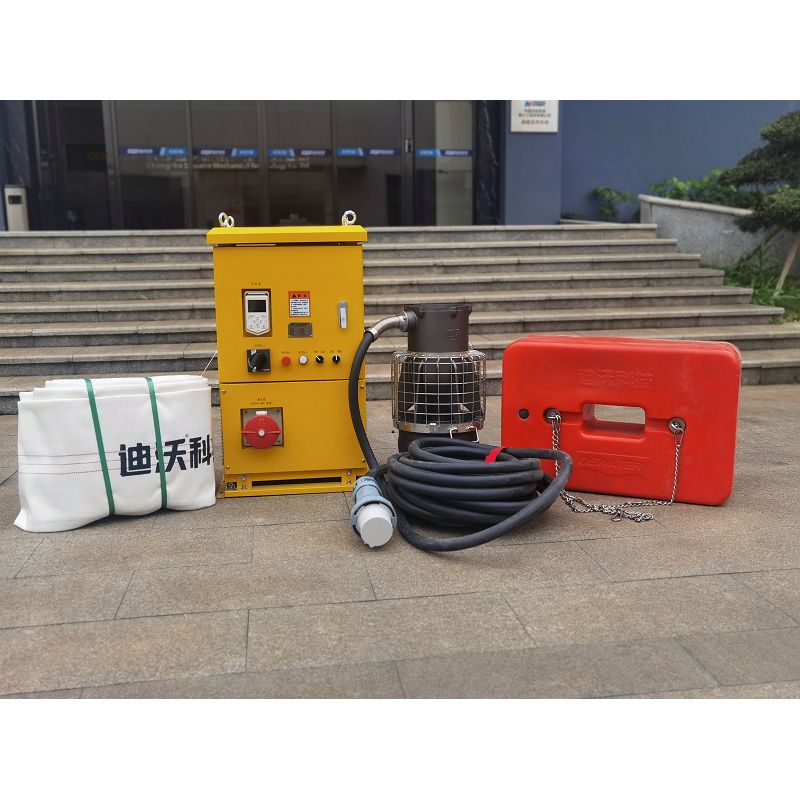
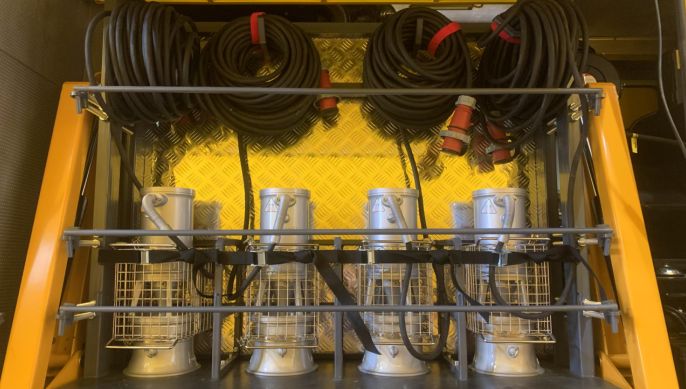
Now, let's get into some technical details. The head - flow characteristic curve is usually determined through testing in a laboratory. Engineers measure the head and flow rate at different operating points of the pump and then plot these points on a graph. The curve is then drawn to connect these points, giving a visual representation of the pump's performance.
There are also some factors that can affect the head - flow characteristic curve. The viscosity of the fluid being pumped is one of them. If you're pumping a thick liquid, like sludge or oil, the curve will shift compared to when pumping water. The temperature of the fluid can also have an impact. Higher temperatures can reduce the density of the fluid, which in turn affects the head and flow rate.
The efficiency of the pump is also related to the head - flow characteristic curve. There's usually an optimal point on the curve where the pump operates most efficiently. This is the point where the pump uses the least amount of energy to move the maximum amount of water at the required head. When selecting a Traction Large Flow Pump, it's a good idea to aim for this optimal operating point to save on energy costs and reduce wear and tear on the pump.
As a supplier, I've seen many customers make the mistake of not paying enough attention to the head - flow characteristic curve. They might choose a pump based on price or brand alone, without considering whether it will actually meet their project requirements. This can lead to inefficiencies, higher operating costs, and even pump failures.
So, if you're in the market for a Traction Large Flow Pump, take the time to study the head - flow characteristic curve. Make sure you understand your project's head and flow rate requirements and then choose a pump that matches those needs. And if you have any questions or need help in selecting the right pump, don't hesitate to reach out. We're here to make sure you get the best - performing pump for your application.
Whether you're dealing with flood control, industrial water transfer, or any other water - moving project, the head - flow characteristic curve of a Traction Large Flow Pump is a crucial piece of information. It can make the difference between a successful project and one that runs into problems.
In conclusion, understanding the head - flow characteristic curve of a Traction Large Flow Pump is essential for anyone looking to use these pumps effectively. It helps in proper pump selection, efficient operation, and cost - savings. If you're interested in purchasing a Traction Large Flow Pump for your project, we'd love to have a chat with you about your specific needs. Contact us to start the procurement discussion and find the perfect pump for you.
References:
- Pump Handbook, by Igor J. Karassik et al.
- Fluid Mechanics and Hydraulic Machines, by R. K. Bansal.