


As a supplier of Traction Large Flow Pumps, I often encounter inquiries from customers regarding the maximum temperature of the fluid that these pumps can handle. This is a crucial consideration, especially in industries where high - temperature fluids are involved, such as chemical processing, power generation, and some manufacturing processes.
Understanding the Basics of Traction Large Flow Pumps
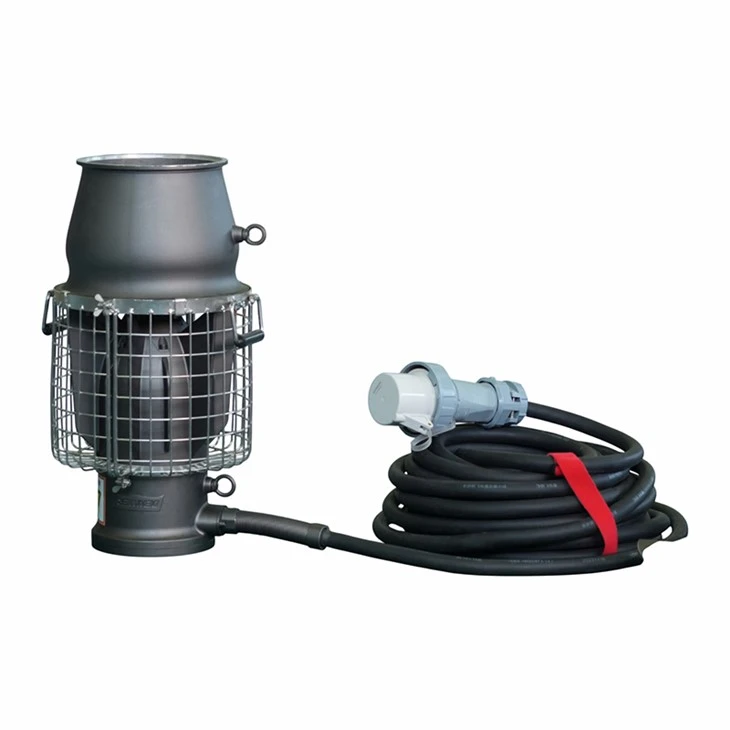
Traction Large Flow Pumps are designed to move large volumes of fluid efficiently. They operate on the principle of using a traction mechanism to transfer energy to the fluid, enabling it to flow at high rates. These pumps are known for their durability, reliability, and high - performance capabilities. However, the temperature of the fluid being pumped can significantly impact their operation and lifespan.
Factors Affecting the Maximum Temperature Tolerance
Several factors determine the maximum temperature that a Traction Large Flow Pump can handle. The first and most obvious factor is the material of the pump components. The pump casing, impeller, seals, and other internal parts are typically made from different materials, each with its own temperature limits.
For example, pumps with cast iron casings can generally handle lower temperatures compared to those with stainless steel or other high - temperature - resistant alloys. Cast iron may start to experience thermal expansion and deformation at relatively lower temperatures, which can lead to leaks and reduced efficiency. Stainless steel, on the other hand, has a higher melting point and better resistance to thermal stress, allowing it to operate at higher temperatures.
The type of seals used in the pump is also a critical factor. Seals prevent the fluid from leaking out of the pump and maintain the integrity of the pumping system. At high temperatures, seals can degrade, lose their elasticity, and fail to provide an effective seal. There are special high - temperature seals available, such as those made from PTFE (polytetrafluoroethylene) or other heat - resistant polymers, which can withstand elevated temperatures.
Another factor is the lubrication system of the pump. Many Traction Large Flow Pumps rely on lubricants to reduce friction between moving parts. High temperatures can cause the lubricant to break down, lose its viscosity, and lose its ability to protect the pump components. Therefore, the lubricant used in the pump must be selected based on the expected operating temperature.

Typical Maximum Temperature Ranges
In general, standard Traction Large Flow Pumps can handle fluid temperatures up to around 80 - 100 degrees Celsius. These pumps are suitable for most common applications, such as water transfer, general industrial drainage, and some mild - temperature chemical processes.
However, for more specialized applications where higher temperatures are involved, we offer pumps that can handle temperatures up to 200 degrees Celsius or even higher. These high - temperature pumps are designed with advanced materials and sealing technologies to ensure reliable operation under extreme conditions.
For instance, in the chemical industry, where corrosive and high - temperature fluids are common, our high - temperature Traction Large Flow Pumps are used to transfer acids, alkalis, and other chemicals. These pumps are made from corrosion - resistant and high - temperature - resistant materials, and they are equipped with special seals and lubrication systems to withstand the harsh environment.
Applications and Temperature Requirements
Let's take a closer look at some specific applications and their temperature requirements.
In the power generation industry, Traction Large Flow Pumps are used for cooling water circulation. The temperature of the cooling water can vary depending on the type of power plant. In a traditional coal - fired power plant, the cooling water temperature may be around 50 - 60 degrees Celsius. Our standard pumps can easily handle this temperature range.
In a nuclear power plant, however, the temperature of the coolant can be much higher. Special high - temperature pumps are required to ensure the safe and efficient operation of the cooling system. These pumps need to be able to handle temperatures up to 150 - 200 degrees Celsius.
In the oil and gas industry, Traction Large Flow Pumps are used for various purposes, such as crude oil transfer and well - head drainage. The temperature of the crude oil can range from ambient temperature to over 100 degrees Celsius, depending on the location and the production process. Our pumps can be customized to meet the specific temperature requirements of different oil and gas applications.
Related Product Links
If you are interested in other types of pumps for different applications, we also offer Mobile Flooding Control Pump, Rescue Mobile Drainage Pump, and Underground Narrow Space Drainage pumps. These pumps are designed to provide reliable solutions for flood control, emergency drainage, and underground space applications.
Contact Us for Procurement
If you have any questions about the maximum temperature of the fluid that our Traction Large Flow Pumps can handle, or if you are interested in purchasing our pumps, please feel free to contact us. Our team of experts will be happy to provide you with detailed information and assist you in selecting the right pump for your specific needs. We are committed to providing high - quality products and excellent customer service to ensure your satisfaction.
References
- "Pump Handbook" by Igor J. Karassik, Joseph P. Messina, Paul Cooper, and Charles C. Heald.
- "Chemical Engineering Fluid Mechanics" by Ron Darby.
- Industry standards and guidelines related to pump design and operation.