


Can a portable mobile drainage pump be used for basement drainage? This is a question that many homeowners and property managers often ask, especially in areas prone to flooding or heavy rainfall. As a supplier of Portable Mobile Drainage Pumps, I have encountered this query numerous times, and I'm here to provide a comprehensive answer based on scientific knowledge and practical experience.
Understanding the Basics of Portable Mobile Drainage Pumps
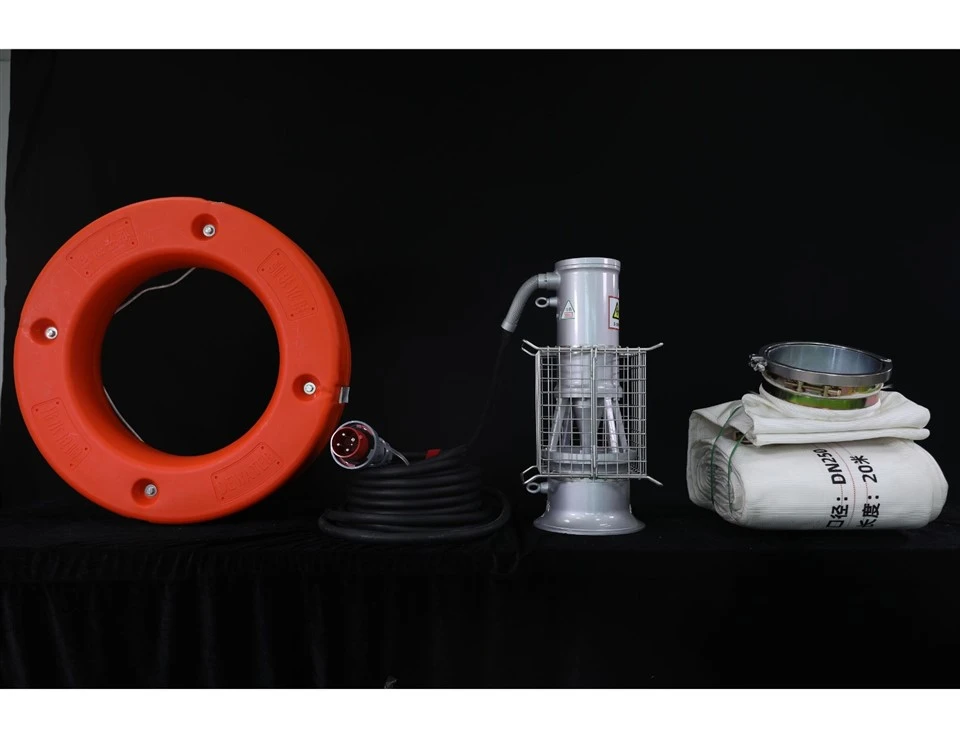
Portable mobile drainage pumps are designed to be easily transported and used in various locations. They are typically powered by gasoline, diesel, or electricity, and come in different sizes and capacities. These pumps are equipped with a suction hose and a discharge hose, allowing them to draw water from a low - lying area and expel it to a higher elevation or a suitable drainage point.
The main advantage of portable mobile drainage pumps is their flexibility. They can be quickly deployed in case of emergencies, such as sudden floods or water accumulation in basements. Unlike permanent drainage systems, which are fixed in one location, portable pumps can be moved around as needed, making them a versatile solution for different drainage scenarios.
Factors to Consider for Basement Drainage
When considering using a portable mobile drainage pump for basement drainage, several factors need to be taken into account.
1. Water Volume and Flow Rate
The first thing to assess is the volume of water that needs to be drained from the basement. This depends on the size of the basement, the extent of flooding, and the rate at which water is entering. Portable pumps come with different flow rates, measured in gallons per minute (GPM) or liters per second (L/s). A pump with a higher flow rate can drain water more quickly, but it may also consume more power and be more expensive.
For a small basement with minimal flooding, a pump with a flow rate of 10 - 20 GPM may be sufficient. However, for larger basements or severe flooding situations, a pump with a flow rate of 50 GPM or more may be required.
2. Head Pressure
Head pressure refers to the vertical distance that the pump needs to lift the water. In the case of basement drainage, this includes the height from the water level in the basement to the discharge point outside. The higher the head pressure, the more powerful the pump needs to be.
Most portable mobile drainage pumps are designed to handle a certain range of head pressures. Before purchasing a pump, it's important to measure the vertical distance and ensure that the pump can handle the required head pressure.
3. Water Quality
The quality of the water in the basement also affects the choice of pump. If the water contains debris, such as dirt, sand, or small rocks, a pump with a solids - handling capacity is needed. Some portable pumps are specifically designed to handle solids up to a certain size, which helps prevent clogging and damage to the pump.
4. Power Source
As mentioned earlier, portable pumps can be powered by different sources. Gasoline and diesel - powered pumps are ideal for areas without access to electricity, such as during power outages. They are also more powerful and can handle larger volumes of water. However, they require regular refueling and produce exhaust fumes, which may be a concern in enclosed spaces like basements.
Electric - powered pumps are quieter, more energy - efficient, and do not produce exhaust fumes. They are suitable for basements with access to a power outlet. However, they are limited by the length of the power cord and may not be operational during power failures.
Advantages of Using a Portable Mobile Drainage Pump for Basement Drainage
There are several advantages to using a portable mobile drainage pump for basement drainage.
1. Cost - Effective
Compared to installing a permanent drainage system, which can be expensive and time - consuming, a portable pump is a more affordable option. It can be purchased at a relatively low cost and used whenever needed.
2. Quick Deployment
In case of an emergency flood, a portable pump can be quickly moved to the basement and put into operation. This can help prevent water damage to the basement and its contents, reducing the overall cost of repairs.
3. Versatility
Portable pumps can be used for other drainage tasks as well, such as draining swimming pools, flooded yards, or construction sites. This makes them a valuable investment for homeowners and property managers.
Limitations of Using a Portable Mobile Drainage Pump for Basement Drainage
However, there are also some limitations to using a portable pump for basement drainage.
1. Manual Operation
Portable pumps usually require manual operation, which means someone needs to be present to start and stop the pump. This can be inconvenient, especially during long - term or overnight flooding situations.
2. Limited Capacity
Although portable pumps come in different sizes, their capacity is still limited compared to permanent drainage systems. For very large basements or continuous high - volume water inflow, multiple pumps may be needed, which can increase the cost and complexity of the drainage process.
Our Product Range
As a supplier of Portable Mobile Drainage Pumps, we offer a wide range of products to meet different needs. Our pumps are designed with high - quality materials and advanced technology, ensuring reliable performance and long - term durability.
In addition to our standard portable pumps for basement drainage, we also offer specialized pumps for other applications. For example, our Fire Water Supply Pump is designed to provide a reliable water source for firefighting operations. It has a high flow rate and can handle high - pressure scenarios.
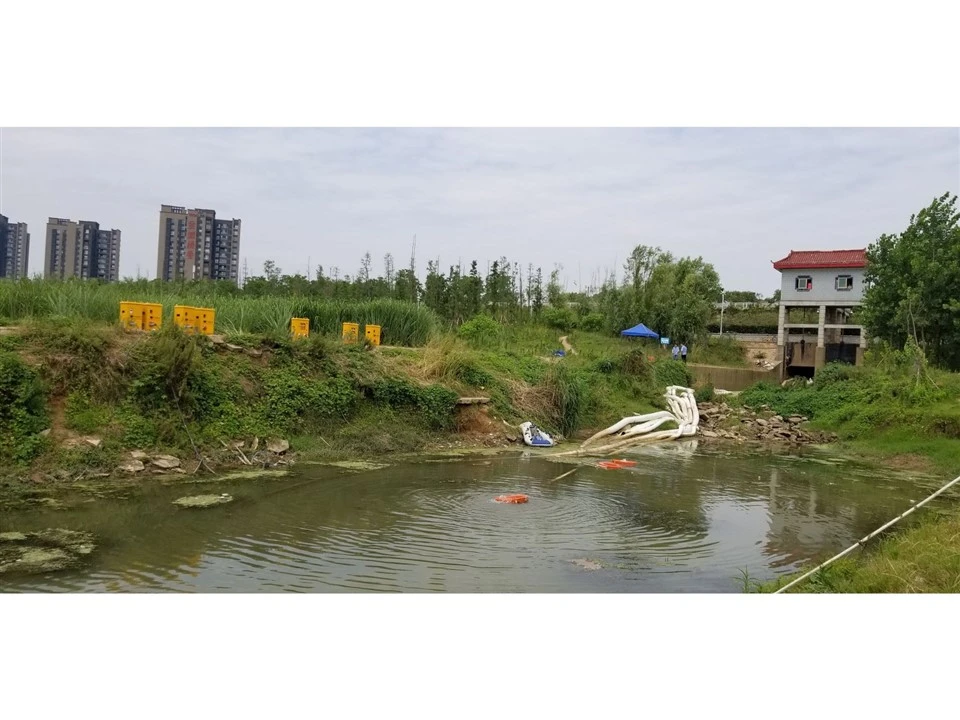
Our Urban Waterlogging Drainage Pump is suitable for draining large - scale urban waterlogging areas. It is designed to handle large volumes of water and can be quickly deployed in urban environments.
For emergency rescue situations, we offer the Rescue Mobile Drainage Pump. This pump is lightweight and easy to carry, making it ideal for use in disaster - stricken areas.
Conclusion
In conclusion, a portable mobile drainage pump can be a viable option for basement drainage, especially for small - to - medium - sized basements and emergency situations. However, it's important to carefully consider the factors mentioned above, such as water volume, head pressure, water quality, and power source, to ensure that the pump meets your specific needs.
If you are facing basement drainage issues or are interested in our range of Portable Mobile Drainage Pumps, we invite you to contact us for more information and to discuss your requirements. Our team of experts is ready to assist you in selecting the right pump for your situation and provide you with professional advice on installation and operation.
References
- "Pump Handbook" by Igor Karassik et al.
- "Drainage System Design and Installation Guide" by the American Society of Civil Engineers.