



Hey there! As a supplier of mobile drainage pumps, I often get asked about the maximum distance these pumps can pump water. It's a question that's not as straightforward as it might seem, so let's dive in and explore it together.
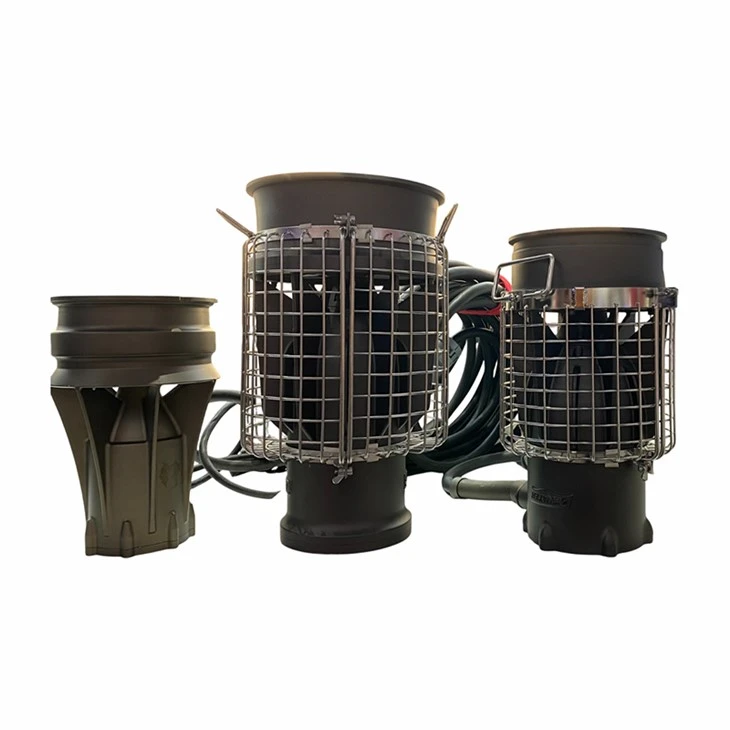
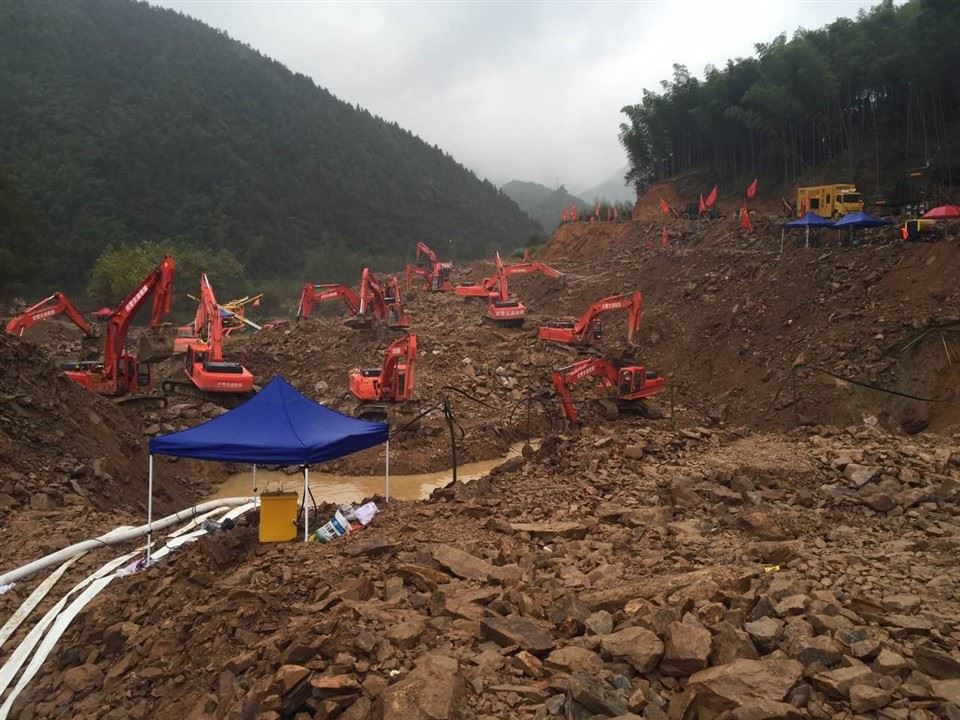
Understanding the Basics of Mobile Drainage Pumps
First off, what exactly are mobile drainage pumps? Well, they're these super - handy machines that can be easily moved around to different locations. They're used in a variety of situations, like draining floodwater, removing water from construction sites, or even for emergency water supply during droughts. You can check out our Mobile Dewatering Pump and Drought Emergency Water Supply Pump for more details.
These pumps work by creating a pressure difference that moves water from one place to another. The basic principle is simple, but a lot of factors come into play when determining how far they can push that water.
Factors Affecting the Pumping Distance
Pump Power
One of the most important factors is the power of the pump. A more powerful pump can generate higher pressure, which means it can push water over a greater distance. Think of it like a race car. A high - powered engine can make the car go faster and farther. Similarly, a high - powered pump can move water further.
Our Disaster Water Drainage Equipment comes with different power options to suit various needs. If you need to pump water over a long distance, you'll want to go for a pump with more horsepower.
Pipe Diameter and Material
The diameter of the pipe through which the water flows also matters. A larger diameter pipe generally allows water to flow more freely, reducing friction. Friction is like a roadblock for the water, slowing it down and limiting how far it can travel. So, if you want to increase the pumping distance, using a pipe with a larger diameter can be a good idea.
The material of the pipe is also crucial. Smooth - walled pipes, like those made of PVC, create less friction compared to rough - walled pipes. This means the water can move more easily and cover a greater distance.
Elevation Changes
Elevation changes play a huge role in pumping distance. If you're pumping water uphill, the pump has to work harder to overcome gravity. For every foot of elevation increase, the pump needs to generate enough pressure to lift the water that extra height. This reduces the effective pumping distance.
On the other hand, if you're pumping water downhill, gravity helps the water flow, and the pump doesn't have to work as hard. So, the pumping distance can be greater in this case.
Water Viscosity
The viscosity of the water, or how thick it is, can also affect the pumping distance. Water with a higher viscosity, like water with a lot of sediment or sludge in it, is harder to pump. The pump has to work harder to move this thicker fluid, which can limit the distance it can be pumped.
Calculating the Maximum Pumping Distance
There's no one - size - fits - all answer to the maximum pumping distance. But there are some general guidelines and calculations you can use.
First, you need to know the pump's head. The head is the maximum height the pump can lift water vertically. It's usually measured in feet or meters. To calculate the horizontal pumping distance, you can use the pump's head and take into account the factors we mentioned earlier, like pipe friction and elevation changes.
Let's say you have a pump with a head of 100 feet. If you're pumping water horizontally through a smooth - walled pipe with no elevation changes, you might be able to pump the water several hundred feet. But if you're pumping uphill or through a rough - walled pipe, that distance will be significantly reduced.
Real - World Examples
In a construction site, where water needs to be drained from a low - lying area to a nearby storm drain, a medium - powered mobile drainage pump might be able to pump water up to 200 - 300 feet horizontally if the conditions are right. This could involve a smooth - walled pipe of an appropriate diameter and minimal elevation changes.
During a flood emergency, if the goal is to move large volumes of water quickly, a high - powered pump might be used. In some cases, these pumps can pump water over a distance of 500 feet or more, especially if they're pumping downhill or through a large - diameter pipe.
Choosing the Right Pump for Your Needs
If you're in the market for a mobile drainage pump, it's important to consider your specific requirements. Think about how far you need to pump the water, the elevation changes, and the type of water you'll be pumping.
If you need to pump water over a long distance, look for a high - powered pump with a large - diameter pipe option. Make sure to also consider the durability and reliability of the pump, especially if you'll be using it in harsh conditions.
Let's Talk Business
So, if you're interested in our mobile drainage pumps and want to know more about how they can meet your pumping distance needs, don't hesitate to reach out. We're here to help you choose the right pump for your project and answer any questions you might have. Whether it's for a small construction site or a large - scale disaster relief operation, we've got the solutions you need.
References
- "Pump Handbook" by Igor J. Karassik et al.
- Various industry research papers on fluid dynamics and pump performance.