


As a supplier of Diesel Flood Control Pumps, I am often asked about the electrical system of these crucial pieces of equipment. In this blog, I will delve into the electrical system of a Diesel Flood Control Pump, explaining its components, functions, and importance in ensuring the pump's reliable operation during flood control operations.
Understanding the Basics of a Diesel Flood Control Pump
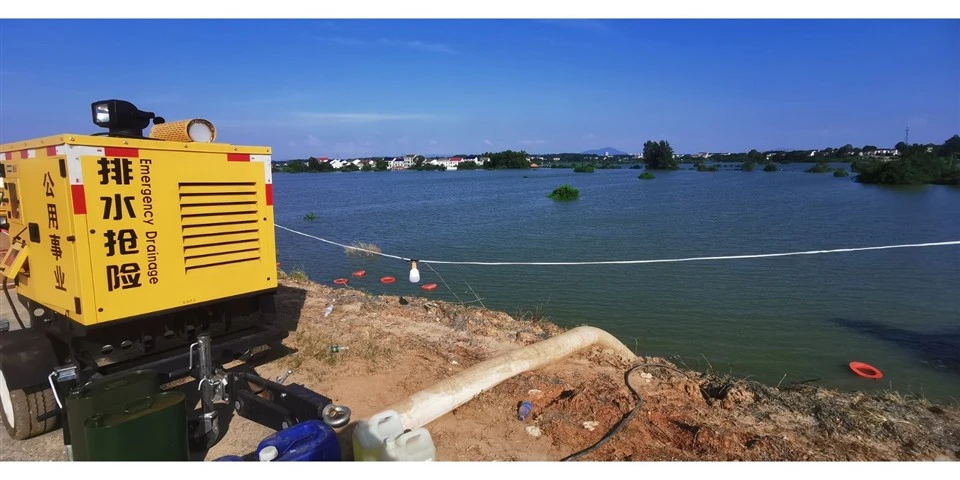
Before we discuss the electrical system, it's important to understand the basic structure and operation of a Diesel Flood Control Pump. These pumps are designed to quickly remove large volumes of water during flood events. They are typically powered by diesel engines, which provide the mechanical energy needed to drive the pump. The pump itself is responsible for drawing in water and discharging it at a high flow rate, helping to reduce flood levels and prevent water damage.
The Role of the Electrical System
The electrical system in a Diesel Flood Control Pump serves several critical functions. It is responsible for starting the diesel engine, monitoring the engine's performance, and controlling various auxiliary systems. Additionally, the electrical system may be used to power lights, control panels, and other equipment that is essential for the pump's operation.
Components of the Electrical System
Battery
The battery is the heart of the electrical system. It provides the initial power needed to start the diesel engine. A high-capacity battery is typically used to ensure that there is enough power to crank the engine, especially in cold weather conditions. The battery also supplies power to other electrical components when the engine is not running.
Starter Motor
The starter motor is responsible for turning the diesel engine over until it starts. When the ignition switch is turned on, an electrical current from the battery is sent to the starter motor. The starter motor then engages with the engine's flywheel, causing the engine to rotate and start.
Alternator
Once the engine is running, the alternator takes over the task of supplying power to the electrical system and recharging the battery. The alternator converts mechanical energy from the engine into electrical energy. It produces alternating current (AC), which is then converted to direct current (DC) to charge the battery and power the electrical components.
Control Panel
The control panel is the interface between the operator and the pump's electrical system. It allows the operator to start and stop the engine, monitor the engine's performance parameters such as temperature, oil pressure, and battery voltage, and control other auxiliary systems. The control panel may also include safety features such as alarms and shutdown mechanisms to protect the engine and the pump from damage.
Sensors
Sensors play a crucial role in the electrical system by providing real-time information about the engine's performance and the pump's operating conditions. For example, temperature sensors monitor the engine's coolant temperature, oil pressure sensors measure the oil pressure in the engine, and level sensors detect the water level in the pump's intake or discharge. This information is sent to the control panel, where it can be displayed and used to make decisions about the pump's operation.
Importance of a Reliable Electrical System
A reliable electrical system is essential for the proper operation of a Diesel Flood Control Pump. During a flood event, the pump needs to be able to start quickly and operate continuously for extended periods of time. Any failure in the electrical system can lead to a breakdown of the pump, which can have serious consequences for flood control efforts.
For example, if the battery fails, the engine may not start, leaving the pump unable to remove water. A malfunctioning alternator can result in a drained battery and a loss of power to the electrical components. Faulty sensors or control panels can lead to incorrect readings and improper operation of the pump.
Maintenance of the Electrical System
Regular maintenance of the electrical system is crucial to ensure its reliability. This includes checking the battery's charge level, inspecting the starter motor and alternator for signs of wear and damage, and cleaning the control panel and sensors. It is also important to follow the manufacturer's recommended maintenance schedule for the electrical components.
Our Product Range
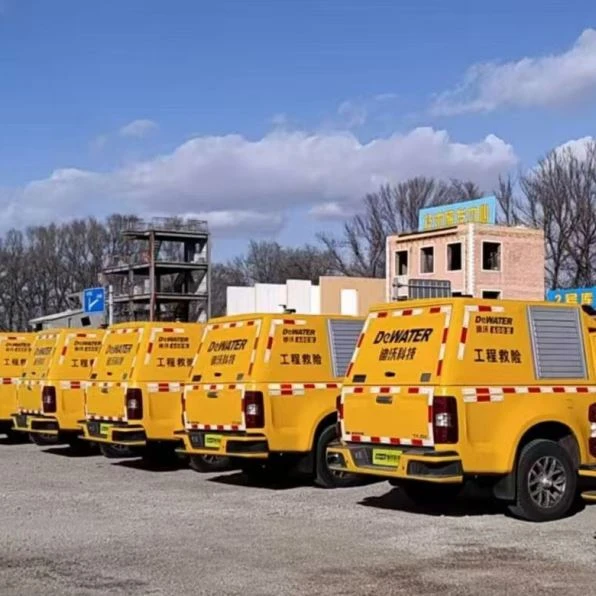
In addition to Diesel Flood Control Pumps, we also offer a range of related products that can enhance flood control capabilities. For example, our Mobile Drainage Pump Truck is a highly mobile and versatile solution for rapid water removal. It can be quickly deployed to flood sites and is equipped with a powerful pump and a reliable electrical system.
Our Mobile Flooding Pump is another excellent option for flood control. It is designed to handle large volumes of water and can be easily transported to different locations. The pump's electrical system is engineered for durability and reliability, ensuring continuous operation during flood events.
We also offer the Traction Large Flow Pump, which is suitable for heavy-duty flood control applications. This pump has a high flow rate and is powered by a robust electrical system that can withstand harsh operating conditions.
Contact Us for Procurement
If you are interested in our Diesel Flood Control Pumps or any of our other products, we encourage you to contact us for procurement. Our team of experts can provide you with detailed information about our products, including their specifications, performance, and pricing. We are committed to providing high-quality products and excellent customer service to meet your flood control needs.
References
- Diesel Engine Handbook, by Richard Stone
- Electrical Systems for Industrial Equipment, by John Smith