


What is the cavitation resistance of a mobile pumping station?
As a supplier of mobile pumping stations, I've witnessed firsthand the critical role these machines play in various applications, from flood control to industrial drainage. One of the most important aspects that often goes unnoticed but is crucial for the efficient and long - lasting operation of a mobile pumping station is its cavitation resistance.
Cavitation is a phenomenon that occurs when the pressure of a liquid in a pump drops below its vapor pressure, causing the formation of vapor bubbles. These bubbles then collapse when they move to a region of higher pressure, generating shockwaves that can damage the pump components. This damage can range from minor pitting on the impeller and casing to more severe issues like reduced pump efficiency, increased vibration, and even complete pump failure.
The cavitation resistance of a mobile pumping station refers to its ability to withstand the damaging effects of cavitation. A pumping station with high cavitation resistance can operate for longer periods without significant wear and tear, reducing maintenance costs and downtime.
Factors Affecting Cavitation Resistance
Several factors contribute to the cavitation resistance of a mobile pumping station.
1. Pump Design
The design of the pump itself is a major factor. Pumps with well - designed impellers and casings can minimize the occurrence of low - pressure regions where cavitation is likely to start. For example, impellers with smooth curves and optimized blade shapes can help maintain a more uniform flow of liquid through the pump, reducing the chances of pressure drops that lead to cavitation.
2. Material Selection
The materials used in the construction of the pump components also play a vital role. Hard and corrosion - resistant materials are better able to withstand the impact of collapsing cavitation bubbles. Stainless steel, for instance, is a popular choice for pump impellers and casings due to its high strength and resistance to erosion caused by cavitation.
3. Operating Conditions
The way the mobile pumping station is operated can significantly affect its cavitation resistance. Running the pump at the correct flow rate and pressure is essential. If the pump is operated at a flow rate that is too high or too low for its design, it can create unstable flow conditions that increase the risk of cavitation. Additionally, the temperature and viscosity of the liquid being pumped can also influence cavitation. Higher temperatures can lower the liquid's vapor pressure, making it more prone to cavitation.
Importance of Cavitation Resistance in Mobile Pumping Stations
In the context of mobile pumping stations, cavitation resistance is of utmost importance for several reasons.
1. Mobility and Flexibility
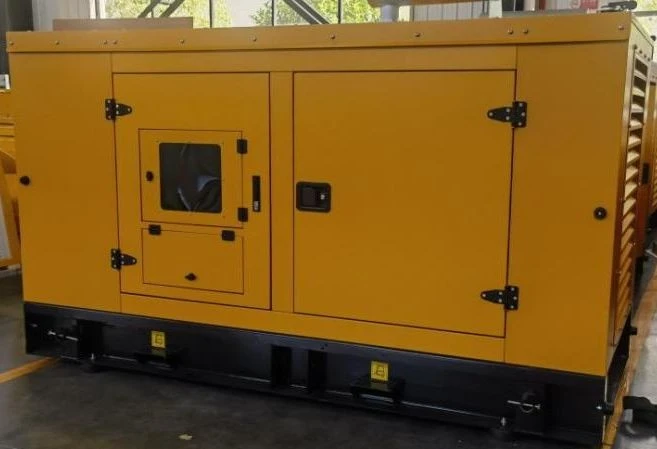
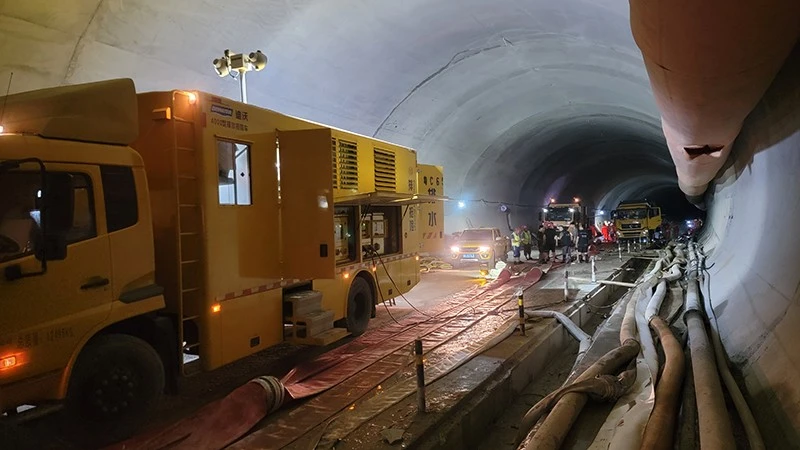
Mobile pumping stations are often used in a variety of locations and applications. They may be deployed to Water Drainage Pump Truck in urban areas, Flooding Control Pickup in flood - prone regions, or Drainage Pump Vehicles in Disaster Sites. The ability to operate reliably in different conditions without being affected by cavitation is crucial for their mobility and flexibility.
2. Emergency Response
During emergencies such as floods or industrial spills, mobile pumping stations need to operate continuously and efficiently. Cavitation can quickly lead to pump failure, which can be disastrous in these situations. A pumping station with high cavitation resistance ensures that it can perform its intended function when it is needed the most.
3. Cost - Effectiveness
Reduced maintenance and replacement costs are significant benefits of a mobile pumping station with good cavitation resistance. Frequent repairs and part replacements due to cavitation damage can be expensive and time - consuming. By investing in a pumping station with high cavitation resistance, users can save money in the long run.
How to Improve Cavitation Resistance
As a supplier, we take several steps to improve the cavitation resistance of our mobile pumping stations.
1. Advanced Design and Engineering
We use state - of - the - art design tools and techniques to optimize the pump design. Computational fluid dynamics (CFD) simulations are used to analyze the flow patterns inside the pump and identify potential areas of low pressure. Based on these simulations, we can make adjustments to the impeller and casing designs to minimize the risk of cavitation.
2. Quality Materials
We source high - quality materials for our pump components. Our engineers carefully select materials that offer the best combination of strength, corrosion resistance, and cavitation resistance. This ensures that our pumps can withstand the harsh conditions they may encounter in the field.
3. Operator Training
We also provide comprehensive training to the operators of our mobile pumping stations. They are educated on the proper operating procedures to avoid cavitation, such as setting the correct flow rate and pressure, and monitoring the pump's performance. By ensuring that the operators understand the importance of cavitation resistance and how to prevent it, we can further enhance the reliability of our pumping stations.
In conclusion, the cavitation resistance of a mobile pumping station is a complex but essential characteristic. It is determined by a combination of pump design, material selection, and operating conditions. As a supplier, we are committed to providing mobile pumping stations with high cavitation resistance to meet the diverse needs of our customers. Whether it's for urban drainage, flood control, or disaster response, our pumping stations are designed to operate reliably and efficiently, minimizing the risk of cavitation - related problems.
If you are interested in our mobile pumping stations or have any questions about cavitation resistance, please feel free to contact us for further discussion and potential procurement. We are always ready to offer you the best solutions for your pumping needs.
References
- "Pump Handbook" by Igor J. Karassik et al.
- "Fluid Mechanics" by Frank M. White
- Industry research reports on mobile pumping stations and cavitation.