


Hey there! As a mobile pump supplier, I've seen firsthand how temperature can have a huge impact on the performance of these nifty machines. In this blog, I'm gonna break down exactly how temperature affects mobile pumps and why it's super important to keep an eye on it.
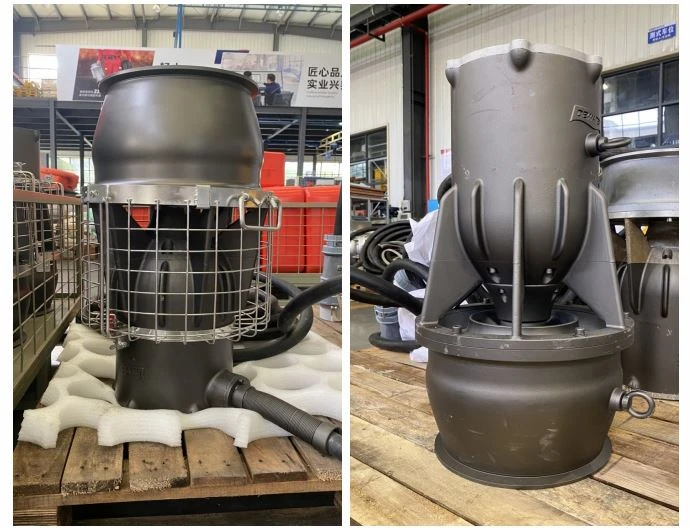
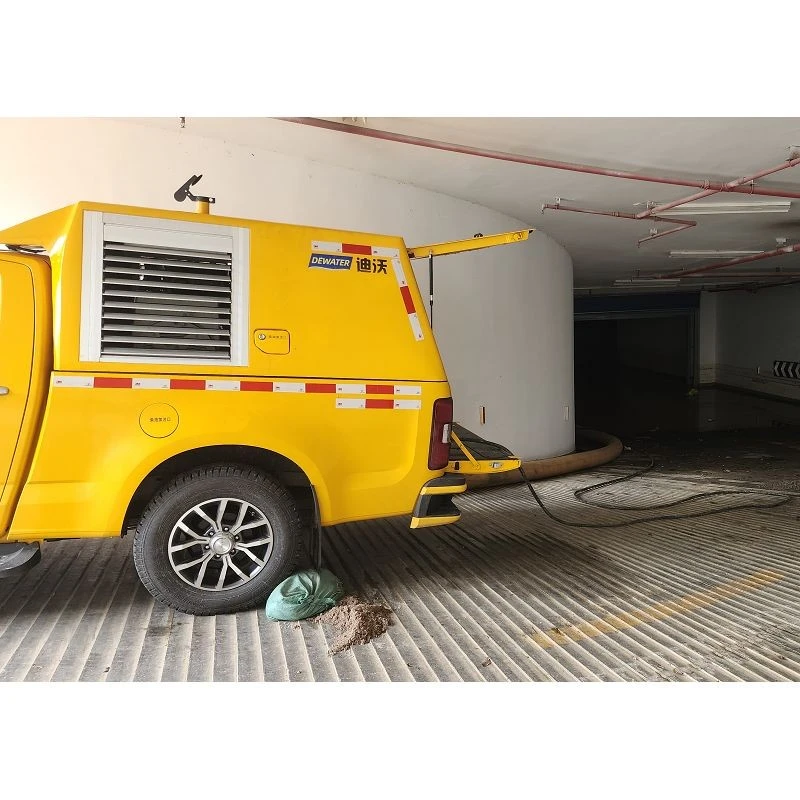
Let's start with the basics. Mobile pumps are used in a wide range of applications, from Mobile Drain Pump Truck for Flood Control to industrial fluid transfer. They're designed to be portable and efficient, but temperature can throw a wrench in their performance.
High Temperatures
When the mercury rises, mobile pumps can face a whole host of issues. One of the most significant problems is overheating. Just like us, pumps can get too hot and start to malfunction. High temperatures can cause the pump's motor to work harder, leading to increased wear and tear and potentially shortening its lifespan.
Another issue is the effect of high temperatures on the fluid being pumped. In many cases, the viscosity of the fluid decreases as the temperature rises. This can lead to a decrease in the pump's efficiency, as it has to work harder to move the thinner fluid. Additionally, some fluids can vaporize at high temperatures, causing cavitation in the pump. Cavitation is when bubbles form in the fluid and then collapse, creating shock waves that can damage the pump's impeller and other components.
High temperatures can also affect the pump's seals and gaskets. As the temperature rises, these components can expand and contract, leading to leaks. This not only reduces the pump's efficiency but can also cause environmental and safety hazards.
Low Temperatures
On the flip side, low temperatures can also cause problems for mobile pumps. One of the main issues is the thickening of the fluid being pumped. Just as high temperatures can decrease viscosity, low temperatures can increase it. This can make it more difficult for the pump to move the fluid, leading to decreased flow rates and increased energy consumption.
In extreme cold, the fluid can even freeze, causing blockages in the pump and its piping. This can not only damage the pump but can also cause delays in operations. Additionally, low temperatures can make the pump's materials more brittle, increasing the risk of cracks and other damage.
Another problem with low temperatures is the effect on the pump's lubricants. Lubricants can thicken or even solidify in cold weather, reducing their effectiveness and increasing the wear on the pump's moving parts.
How to Mitigate the Effects of Temperature
So, what can you do to keep your mobile pump running smoothly in different temperatures? Here are some tips:
- Choose the Right Pump for the Application: Make sure you select a pump that is designed to handle the temperature range of your application. Some pumps are specifically designed for high-temperature or low-temperature applications.
- Use the Right Fluid: Choose a fluid that has the appropriate viscosity for the temperature range. In some cases, you may need to use a heat exchanger to control the fluid's temperature.
- Monitor the Temperature: Keep an eye on the temperature of the pump and the fluid being pumped. Use temperature sensors and alarms to alert you if the temperature gets too high or too low.
- Maintain the Pump Regularly: Regular maintenance is crucial to keep your pump in good condition. This includes checking the lubricants, seals, and gaskets, and replacing them as needed.
- Protect the Pump from the Elements: If possible, store the pump in a climate-controlled environment when it's not in use. When the pump is in operation, use insulation or heating blankets to protect it from extreme temperatures.
Real-World Examples
Let me share a couple of real-world examples to illustrate the importance of temperature management in mobile pump applications.
One of our customers was using a Flood Control Mobile Pump Truck to remove water from a flooded area. The temperature was extremely high, and the pump started to overheat. The customer didn't notice the problem until the pump failed completely, causing significant delays in the flood control efforts. After the incident, we worked with the customer to install a temperature monitoring system and improve the pump's cooling system. Since then, they haven't had any issues with overheating.
Another customer was using a Mobile Flooding Pump in a cold climate. The fluid being pumped started to thicken, and the pump's flow rate decreased significantly. The customer was able to prevent a complete breakdown by using a heat exchanger to warm the fluid. We also recommended that they switch to a lubricant that was designed for cold temperatures.
Conclusion
As you can see, temperature plays a crucial role in the performance of mobile pumps. Whether it's high temperatures causing overheating and cavitation or low temperatures causing thickening and freezing, it's important to take steps to manage the temperature and keep your pump running smoothly.
If you're in the market for a mobile pump or need help with temperature management for your existing pump, don't hesitate to get in touch. We're here to help you find the right solution for your needs.
References
- "Pump Handbook" by Igor J. Karassik et al.
- "Centrifugal Pumps: Design and Application" by Heinz P. Bloch and Fred K. Geitner.