


As a drainage pump vehicle supplier, I understand the critical importance of ensuring that our products perform at their best. Testing the performance of a drainage pump vehicle is a comprehensive process that involves a series of steps to guarantee its efficiency, reliability, and safety. In this blog, I will share with you how we test the performance of our drainage pump vehicles, covering various aspects from basic checks to advanced evaluations.
Pre - test Preparations
Before conducting any performance tests, it is essential to carry out a thorough pre - test inspection. First, we visually examine the entire drainage pump vehicle. Check the exterior for any signs of damage, such as dents, scratches, or loose parts. This includes inspecting the body of the vehicle, the pump housing, and all the connecting pipes.
Next, we focus on the mechanical components. Check the engine oil level, coolant level, and fuel level. Ensure that all the belts are in good condition without any signs of wear or fraying. The air filter should also be inspected and replaced if necessary. For the pump itself, we check the impeller for any blockages or damage. Any debris in the pump can significantly affect its performance.
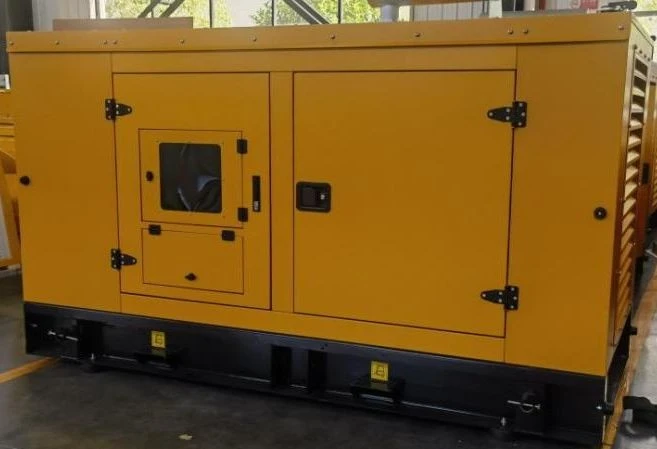
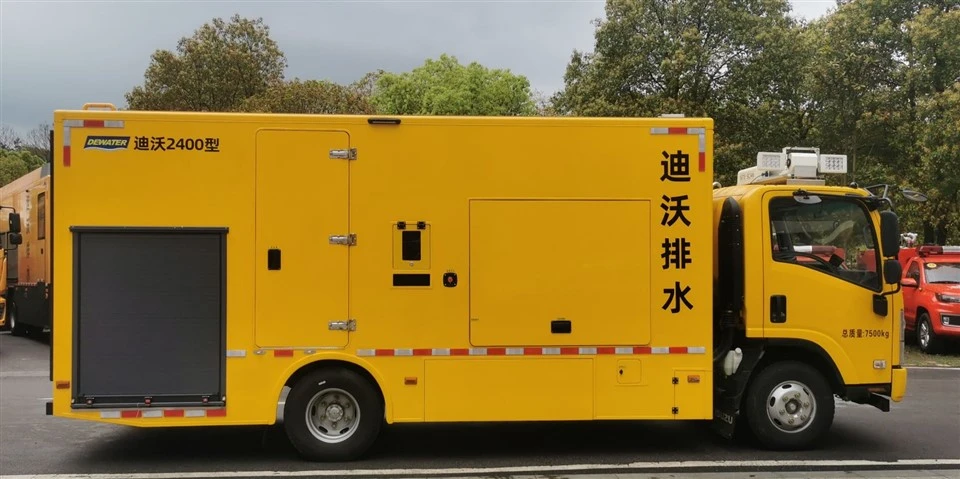
Flow Rate Testing
One of the most important performance indicators of a drainage pump vehicle is its flow rate. To measure the flow rate, we use a flow meter. There are different types of flow meters available, such as electromagnetic flow meters and ultrasonic flow meters. We install the flow meter in the discharge pipe of the pump.
We start the pump and let it run at a stable operating condition. The flow meter then records the volume of water passing through the pipe per unit time. We conduct multiple tests at different operating speeds of the pump to obtain a comprehensive understanding of its flow rate characteristics. For example, we test the flow rate at the minimum, maximum, and medium operating speeds of the pump. This data helps us determine if the pump can meet the specified flow rate requirements under different working conditions.
Head Testing
The head of a pump refers to the height that the pump can lift water. To test the head of a drainage pump vehicle, we use a pressure gauge. We install the pressure gauge at the discharge port of the pump.
We start the pump and gradually increase the resistance in the discharge pipe. This can be done by partially closing a valve in the pipe. As the resistance increases, the pressure at the discharge port also increases. We record the pressure reading on the pressure gauge and calculate the corresponding head using the formula (H = P/\rho g), where (H) is the head, (P) is the pressure, (\rho) is the density of water, and (g) is the acceleration due to gravity.
We conduct head tests at different flow rates to establish the pump's head - flow rate curve. This curve is crucial for understanding the pump's performance under different working conditions. A well - designed pump should have a stable head - flow rate relationship within its operating range.
Power Consumption Testing
Power consumption is another important aspect of a drainage pump vehicle's performance. To measure the power consumption, we use a power analyzer. The power analyzer is connected to the electrical system of the pump (if it is an electrically - driven pump) or to the engine monitoring system (if it is a diesel - driven pump).
We run the pump at different operating conditions and record the power consumption. By analyzing the power consumption data, we can determine the pump's energy efficiency. A more energy - efficient pump can save a significant amount of operating costs in the long run. We also compare the power consumption data with the manufacturer's specifications to ensure that the pump is operating within the expected range.
Cavitation Testing
Cavitation is a phenomenon that can occur in pumps when the pressure at the inlet of the pump drops below the vapor pressure of the liquid. This can cause damage to the pump impeller and reduce its performance. To test for cavitation, we use a cavitation detector.
The cavitation detector can detect the high - frequency noise and vibration signals generated by cavitation. We start the pump and gradually reduce the pressure at the inlet of the pump. As the pressure drops, we monitor the signals from the cavitation detector. If cavitation is detected, we adjust the operating conditions of the pump, such as increasing the inlet pressure or reducing the flow rate, to eliminate cavitation.
Mobility and Maneuverability Testing
Since our drainage pump vehicles are mobile, their mobility and maneuverability are also important performance factors. We test the vehicle's ability to move on different types of terrain, including flat roads, rough terrains, and slopes.
We measure the vehicle's acceleration, braking distance, and turning radius. For example, we test how quickly the vehicle can accelerate from a standstill to a certain speed. We also check the effectiveness of the braking system by measuring the distance it takes for the vehicle to stop from a specific speed.
In terms of maneuverability, we test the vehicle's ability to make sharp turns and navigate through narrow spaces. This is important for the vehicle to be able to reach the drainage sites easily, especially in urban areas where space is limited.
Noise and Vibration Testing
Excessive noise and vibration can not only cause discomfort to the operators but also indicate potential problems with the pump or the vehicle. To measure the noise level, we use a sound level meter. We place the sound level meter at a specific distance from the pump and the vehicle during operation.
We measure the noise level at different operating conditions of the pump. If the noise level exceeds the acceptable standards, we investigate the source of the noise. It could be due to loose parts, unbalanced impellers, or other mechanical problems.
For vibration testing, we use vibration sensors. The vibration sensors are installed on the pump and the vehicle body. We monitor the vibration amplitude and frequency. Abnormal vibration can be a sign of misalignment, worn - out bearings, or other mechanical issues.
Long - term Reliability Testing
To ensure the long - term reliability of our drainage pump vehicles, we conduct long - term reliability tests. We run the pump vehicles continuously for an extended period, usually several days or even weeks.
During this period, we monitor the performance parameters such as flow rate, head, and power consumption regularly. We also check for any signs of wear and tear on the mechanical components. This long - term testing helps us identify any potential problems that may occur over time and allows us to make improvements to the design and manufacturing process.
Conclusion
Testing the performance of a drainage pump vehicle is a multi - faceted process that requires a combination of different testing methods and equipment. By conducting comprehensive performance tests, we can ensure that our drainage pump vehicles meet the high - quality standards and can provide reliable drainage solutions for our customers.
If you are interested in our Mobile Pumping Station, Flooding and Dainage Pump Truck, or Water Drainage Pump Truck, please feel free to contact us for more information and to discuss your procurement needs. We are committed to providing you with the best drainage pump vehicles and excellent after - sales service.
References
- "Pump Handbook" by Igor J. Karassik et al.
- "Fluid Mechanics and Hydraulic Machines" by R. K. Bansal.
- Industry standards for drainage pump vehicles.