


When it comes to diesel flood control pumps, air - tightness is a crucial factor that directly impacts their performance and reliability. As a supplier of diesel flood control pumps, I have witnessed firsthand the significance of meeting the appropriate air - tightness requirements. In this blog, I will delve into what the air - tightness requirement for a diesel flood control pump is and why it matters.
Understanding the Basics of Air - Tightness in Diesel Flood Control Pumps
Air - tightness refers to the ability of a pump system to prevent the leakage of air into or out of the system. In a diesel flood control pump, maintaining proper air - tightness is essential for several reasons. Firstly, a well - sealed pump ensures efficient operation. When air enters the pump system, it can disrupt the flow of water, reducing the pump's capacity to move large volumes of water effectively. This is particularly critical during flood control situations where every second counts and the pump needs to work at its maximum efficiency to remove water quickly.
Secondly, air - tightness helps in preventing cavitation. Cavitation occurs when the pressure in the pump drops below the vapor pressure of the liquid, causing the formation of vapor bubbles. These bubbles can collapse violently, leading to damage to the pump impeller, casing, and other components. By maintaining air - tightness, the pressure within the pump remains stable, reducing the risk of cavitation and extending the lifespan of the pump.
Specific Air - Tightness Requirements
The air - tightness requirements for a diesel flood control pump are typically defined by industry standards and regulations. These standards take into account various factors such as the pump's design, size, and intended application.
One of the key parameters used to measure air - tightness is the leakage rate. The leakage rate is the amount of air that can escape from or enter the pump system within a given period. For most diesel flood control pumps, the acceptable leakage rate is extremely low. For example, in some high - performance pumps, the leakage rate should be less than 0.1 cubic meters per hour under normal operating conditions.
Another important aspect of air - tightness is the integrity of the seals and gaskets used in the pump. Seals and gaskets are used to prevent air and water from leaking at the joints and connections within the pump. They must be made of high - quality materials that can withstand the harsh operating conditions of flood control applications, including exposure to water, dirt, and chemicals. The seals should be properly installed and maintained to ensure a tight fit and prevent any air leakage.
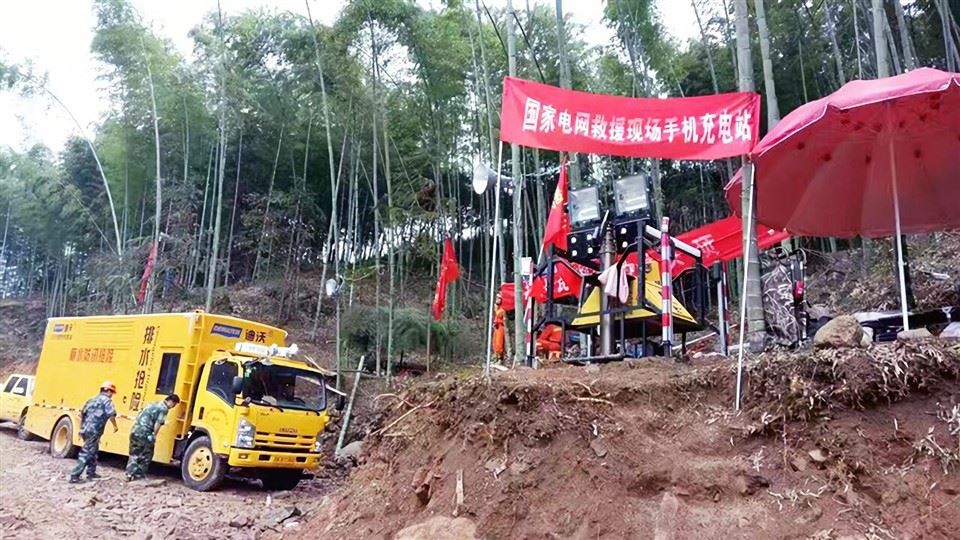
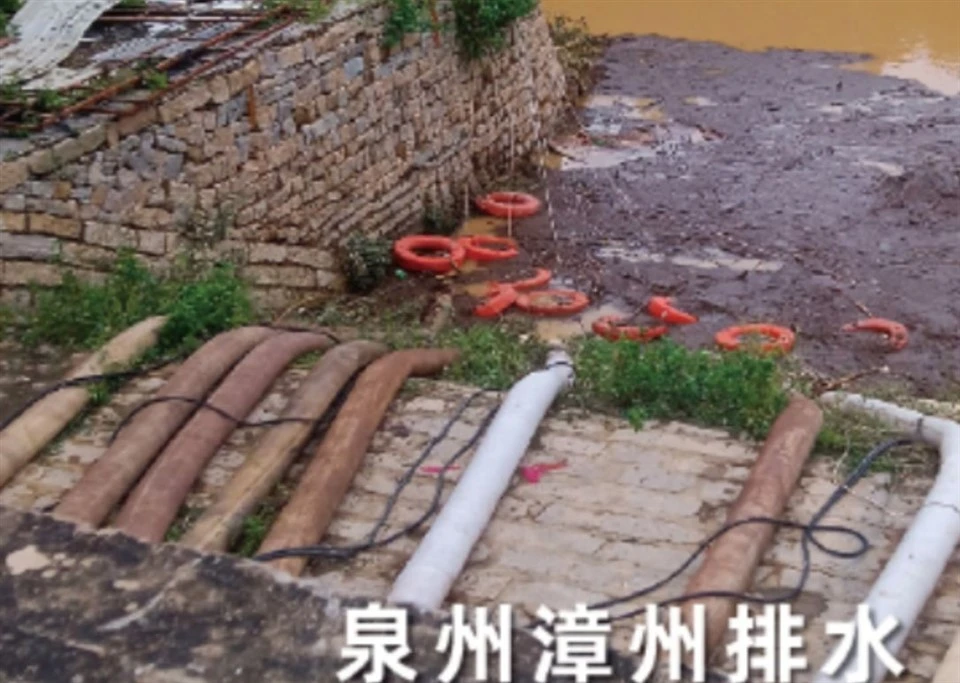
In addition to seals and gaskets, the overall construction of the pump casing also plays a role in air - tightness. The casing should be made of a strong and durable material that can resist deformation and cracking. Any cracks or holes in the casing can allow air to enter the pump system, compromising its air - tightness.
Impact of Air - Tightness on Different Applications
The air - tightness requirements can vary depending on the specific application of the diesel flood control pump.
For Underground Garage Drainage Pump, maintaining high air - tightness is crucial. Underground garages are often prone to flooding, and the pump needs to be able to operate continuously and efficiently to keep the garage dry. Any air leakage can reduce the pump's performance, leading to slower water removal and potential damage to the vehicles and equipment stored in the garage.
In the case of Government Emergency Flood Control Pump, air - tightness is of utmost importance. These pumps are used in large - scale flood control operations, where they need to handle massive volumes of water quickly. A pump with poor air - tightness can cause delays in the flood control process, putting lives and property at risk. Therefore, government agencies often have strict requirements for the air - tightness of the pumps they procure.
Similarly, Disaster Water Drainage Equipment also requires high air - tightness. During natural disasters such as floods and hurricanes, these pumps are deployed to remove water from affected areas as rapidly as possible. Any inefficiency due to air leakage can hinder the disaster relief efforts and slow down the recovery process.
Ensuring Air - Tightness in Diesel Flood Control Pumps
As a supplier, we take several steps to ensure that our diesel flood control pumps meet the required air - tightness standards.
During the manufacturing process, we use advanced quality control measures to check the air - tightness of each pump. This includes pressure testing the pump casing and seals to detect any potential leaks. We also conduct regular inspections of the manufacturing equipment to ensure that it is in good working condition and producing pumps with consistent air - tightness.
In addition to manufacturing quality control, we provide our customers with detailed installation and maintenance instructions. Proper installation is crucial for maintaining air - tightness. We recommend that the pumps be installed by trained professionals who are familiar with the correct procedures for sealing joints and connections. Regular maintenance, including checking and replacing seals and gaskets as needed, is also essential to ensure that the pump continues to operate with optimal air - tightness over its lifespan.
Conclusion
In conclusion, the air - tightness requirement for a diesel flood control pump is a critical aspect that cannot be overlooked. It directly affects the pump's performance, efficiency, and durability, especially in flood control applications where reliable operation is essential. By understanding the specific air - tightness requirements, ensuring proper manufacturing and installation, and providing regular maintenance, we can ensure that our diesel flood control pumps meet the highest standards and provide our customers with reliable solutions for flood control and water drainage.
If you are in need of a high - quality diesel flood control pump that meets strict air - tightness requirements, we are here to help. Our team of experts can provide you with detailed information about our products and assist you in selecting the right pump for your specific application. Contact us today to start a procurement discussion and find the best solution for your flood control needs.
References
- "Pump Handbook", Karassik, I. J., Messina, J. P., Cooper, P. T., & Heald, C. C. (2008).
- Industry standards and regulations related to flood control pumps issued by relevant authorities.