


Hey there! I'm a supplier of Mobile Drainage Pump Stations. Today, I wanna chat about how to boost the self - priming ability of these bad boys.
Understanding the Basics of Self - Priming in Mobile Drainage Pump Stations
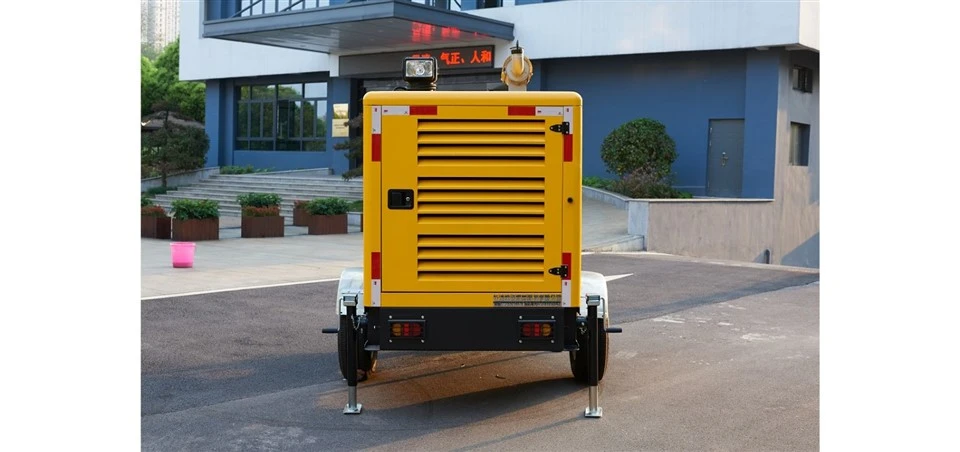
First off, let's get clear on what self - priming means. In a Mobile Drainage Pump Station Mobile Drainage Pump Station, self - priming is the pump's ability to remove air from the suction line and create a vacuum, allowing it to start pumping fluid without the need for external priming mechanisms. This is super important, especially in emergency situations like flood control when you need the pump up and running fast.
Imagine a scenario where there's a sudden flood in a city. Quick response is key. A Mobile Drainage Pump Station with good self - priming ability can be deployed rapidly and start draining water right away. On the other hand, a pump with poor self - priming might take ages to get going, causing more damage to the area.

Factors Affecting Self - Priming Ability
There are several things that can influence how well a pump can self - prime. One major factor is the design of the pump itself. The impeller, for example, plays a crucial role. A well - designed impeller can create a strong flow that helps in pushing out the air from the suction line. The shape and size of the volute, which is the casing around the impeller, also matter. A properly sized volute can enhance the pump's ability to build up pressure and remove air effectively.
The type of fluid being pumped is another factor. If the fluid is thick or has a lot of debris in it, it can make self - priming more difficult. For instance, if you're trying to pump sewage water, the solid particles can clog the pump and disrupt the self - priming process.
The suction line setup is yet another aspect. A long or narrow suction line can increase the resistance, making it harder for the pump to remove air. Any bends or kinks in the suction line can also cause problems.
Ways to Improve the Self - Priming Ability
1. Optimize the Pump Design
As a supplier, we're always looking for ways to make our Mobile Drainage Pump Station better. We invest in research and development to come up with improved impeller designs. For example, we're working on impellers with special blade shapes that can create a more efficient flow, helping to remove air faster.
We also pay close attention to the volute design. By using advanced computer simulations, we can analyze different volute shapes and sizes to find the one that works best for self - priming. This way, we can ensure that our pumps can build up the necessary pressure to remove air from the suction line quickly.
2. Use Suitable Fluids and Filters
If you're dealing with fluids that are likely to cause problems during self - priming, like sewage or water with a lot of sediment, it's a good idea to install a pre - filter. A pre - filter can remove large debris before the fluid enters the pump, reducing the risk of clogging.
For thicker fluids, you might need to consider using a thinner fluid during the self - priming process. This can make it easier for the pump to create a vacuum and start pumping. Once the pump is running, you can then switch to the thicker fluid.
3. Improve the Suction Line Setup
When setting up the suction line for a Mobile Drainage Pump Station, try to keep it as short and straight as possible. Minimize the number of bends and kinks to reduce resistance. You can also use larger diameter suction lines, which can allow air to be removed more easily.
It's also important to make sure that the suction line is properly sealed. Any leaks in the suction line can prevent the pump from creating a vacuum, making self - priming impossible. So, check all the connections and use proper gaskets and seals.
Real - World Applications and Success Stories
Let's take a look at some real - world examples of how improving self - priming ability has made a difference. In a coastal town that often experiences flash floods, they were using an old Trailer Mounted Pumps with poor self - priming. It would take a long time to start pumping, and by then, a lot of water had already flooded the streets.
After they switched to our Mobile Drainage Pump Station with improved self - priming technology, they were able to respond much faster to floods. The pumps could start draining water within minutes of being deployed, significantly reducing the amount of damage caused by the floods.
Our Product Range for Enhanced Self - Priming
We offer a wide range of products, including Flood Control Mobile Pump Trailer and Trailer Mounted Pumps, all designed with self - priming in mind. Our engineers are constantly working on improving these products to ensure that they can handle even the toughest situations.
Whether you're dealing with urban flooding, industrial water removal, or agricultural drainage, our Mobile Drainage Pump Stations are up to the task. We understand the importance of quick and efficient self - priming, and we're committed to providing you with the best solutions.
Time to Improve Your Drainage Solution
If you're in the market for a Mobile Drainage Pump Station, it's crucial to consider the self - priming ability. Don't let a slow - starting pump leave you high and dry when you need it most. Our products are designed to be reliable, efficient, and easy to operate.
We're here to help you find the perfect pump for your needs. Whether you have questions about self - priming, installation, or maintenance, our team of experts is just a message away. Don't hesitate to reach out and start a conversation about how our Mobile Drainage Pump Stations can improve your drainage situation.
References
- "Pump Handbook" by Karassik, I. J., Messina, J. P., Cooper, P. T., & Heald, C. C.
- Technical reports from the pump manufacturing industry on self - priming pump design and performance.