


Hey there! As a supplier of Drought Relief Drainage Pumps, I often get asked about the best cleaning agents to use for these pumps. Keeping your pump clean is crucial for its performance and longevity, so I'm here to share some insights on the matter.
First off, let's understand why cleaning a Drought Relief Drainage Pump is so important. Over time, these pumps can accumulate dirt, debris, and even rust, especially if they're used in harsh environments. This buildup can clog the pump's components, reduce its efficiency, and even lead to breakdowns. Regular cleaning not only helps maintain the pump's performance but also extends its lifespan, saving you money in the long run.
Now, let's talk about the different types of cleaning agents you can use.
Water and Mild Detergent
This is the most basic and commonly used cleaning solution. A simple mixture of water and mild detergent can work wonders for removing dirt and grime from the pump's exterior. You can use a soft cloth or sponge to gently wipe down the pump, being careful not to get water into any electrical components. This method is safe and effective for regular maintenance cleaning.
Vinegar
Vinegar is a natural and eco - friendly cleaning agent that can be great for removing rust and mineral deposits. Fill a container with white vinegar and soak any removable parts of the pump that are affected by rust. Let them soak for a few hours or overnight, depending on the severity of the rust. After soaking, use a brush to scrub off the loosened rust. Vinegar is also safe to use on the pump's exterior, but make sure to rinse it thoroughly with water afterward to prevent any damage.
Baking Soda
Baking soda is another versatile cleaning agent. It can be used as a gentle abrasive to clean stubborn stains and dirt. Make a paste by mixing baking soda with a small amount of water. Apply the paste to the dirty areas of the pump and use a soft brush to scrub. Baking soda is non - toxic and won't scratch the pump's surface.

Commercial Pump Cleaners
There are also many commercial cleaners available specifically designed for pumps. These cleaners are formulated to break down tough grease, oil, and other contaminants. When using a commercial cleaner, make sure to follow the manufacturer's instructions carefully. Some cleaners may require dilution, and it's important to wear protective gloves and goggles when handling them.
Hydrogen Peroxide
Hydrogen peroxide can be used to disinfect the pump, especially if it has been used in dirty or contaminated water. A 3% hydrogen peroxide solution can be sprayed on the pump's surfaces and left for a few minutes before rinsing. This helps kill bacteria and other microorganisms that may be present.
When cleaning your Drought Relief Drainage Pump, here are some additional tips:
- Disconnect the Power: Before starting any cleaning, always make sure the pump is disconnected from the power source to avoid any electrical hazards.
- Remove Loose Debris: Use a brush or compressed air to remove any loose dirt and debris from the pump before applying any cleaning agents.
- Clean the Intake and Outlet: Pay special attention to the intake and outlet of the pump, as these areas are more likely to get clogged. Use a pipe cleaner or a small brush to clean out any blockages.
- Inspect for Damage: While cleaning, take the opportunity to inspect the pump for any signs of damage, such as cracks or leaks. If you notice any issues, it's best to have them repaired as soon as possible.
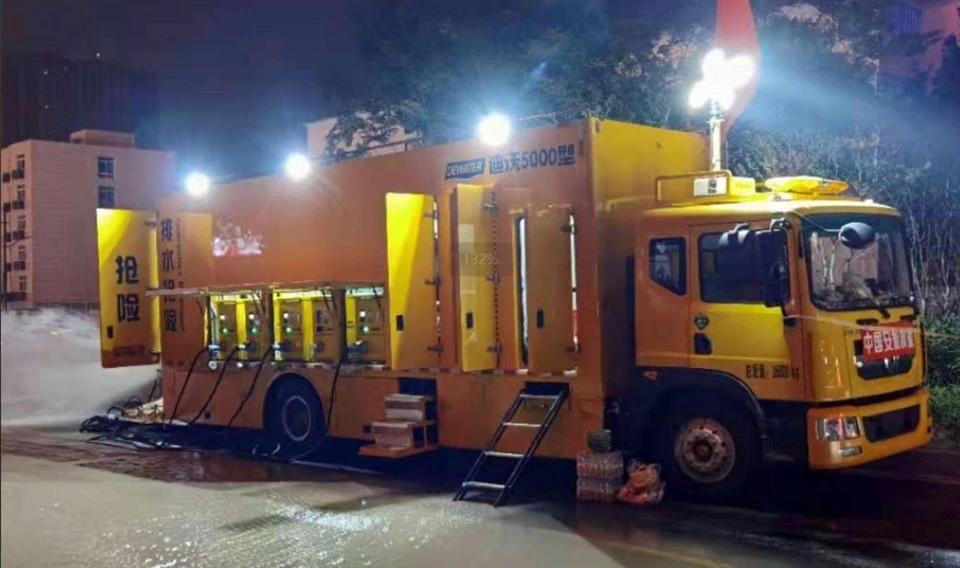
At our company, we offer a range of high - quality Drought Relief Drainage Pumps, including Mobile Drainage Pump Truck, Uninterrupted Emergency Drainage Pump, and Underground Narrow Space Drainage solutions. These pumps are built to last, but proper cleaning and maintenance are essential to ensure they perform at their best.
If you're in the market for a new Drought Relief Drainage Pump or need more information on pump cleaning and maintenance, don't hesitate to reach out. We're here to help you find the right solution for your needs. Whether you're dealing with drought - related water management or emergency drainage situations, our pumps are designed to meet the challenge.
Contact us today to start a conversation about your pump requirements. We're ready to assist you in making the best choice for your project.
References
- "Pump Maintenance Handbook" - A comprehensive guide on pump maintenance and cleaning.
- "Home - Made Cleaning Solutions for Industrial Equipment" - An article discussing the use of natural cleaning agents for industrial pumps.
- Manufacturer's manuals for Drought Relief Drainage Pumps - These provide specific cleaning and maintenance instructions for different pump models.