


In the realm of emergency water rescue operations, the challenge of dealing with water pollution during a rescue is a critical concern that emergency water rescue pickup teams must address. As a leading supplier of emergency water rescue equipment, I have witnessed firsthand the complexities and importance of this issue. This blog post aims to explore how emergency water rescue pickup teams tackle water pollution during a rescue, highlighting the strategies, technologies, and best practices employed in the field.
Understanding the Impact of Water Pollution on Rescue Operations
Water pollution can have a significant impact on emergency water rescue operations. Contaminated water may contain harmful substances such as chemicals, heavy metals, pathogens, and debris, which can pose serious health risks to both the rescue team and the victims. In addition, water pollution can also affect the performance of rescue equipment and the effectiveness of rescue efforts. For example, oil spills can reduce the buoyancy of life jackets and the visibility of the water, making it more difficult to locate and rescue victims.
Strategies for Dealing with Water Pollution during a Rescue
To effectively deal with water pollution during a rescue, emergency water rescue pickup teams employ a variety of strategies and techniques. These strategies can be broadly categorized into three main areas: prevention, containment, and cleanup.
Prevention
Prevention is the first line of defense against water pollution during a rescue. By taking proactive measures to prevent pollution from occurring in the first place, rescue teams can minimize the impact of water pollution on the environment and the health of the people involved. Some of the key prevention strategies include:
- Pre - rescue assessment: Before initiating a rescue operation, the team conducts a thorough assessment of the water body to identify potential sources of pollution. This may involve collecting water samples, analyzing the water quality, and mapping the area for any known pollution sources.
- Proper equipment maintenance: Ensuring that all rescue equipment is properly maintained and in good working condition is essential for preventing pollution. This includes regularly inspecting and servicing pumps, boats, and other equipment to prevent leaks and spills.
- Training and education: Providing comprehensive training and education to rescue team members on the proper handling of hazardous materials and the prevention of water pollution is crucial. Team members should be aware of the potential risks associated with water pollution and know how to take appropriate measures to prevent it.
Containment
Once water pollution has occurred, the next step is to contain the spread of the contamination. This is important to prevent the pollution from spreading to other areas and causing further damage. Some of the common containment strategies include:
- Boom deployment: Floating booms are often used to contain oil spills and other floating pollutants. These booms can be deployed around the perimeter of the spill to prevent it from spreading and to facilitate the cleanup process.
- Sorbent materials: Sorbent materials such as absorbent pads and booms can be used to soak up oil and other liquid pollutants. These materials are highly effective at removing contaminants from the water surface and can be easily disposed of after use.
- Barriers and dams: In some cases, physical barriers and dams may be constructed to contain the flow of contaminated water. This can be particularly useful in situations where the pollution is caused by a ruptured pipe or a flooded industrial area.
Cleanup
After the pollution has been contained, the final step is to clean up the contaminated water. This involves removing the pollutants from the water and restoring the water quality to its original state. Some of the common cleanup techniques include:
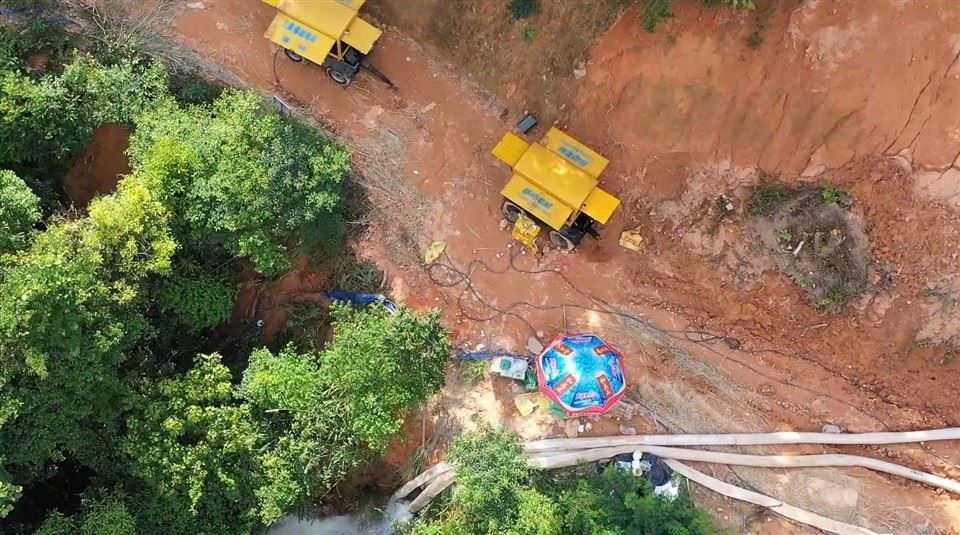
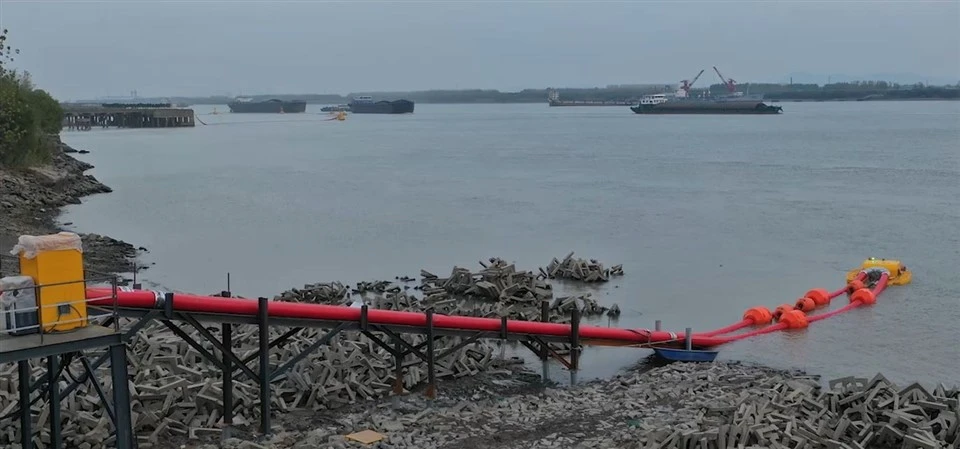
- Pumping and filtration: Pumps can be used to remove the contaminated water from the affected area and transfer it to a treatment facility. Filtration systems can then be used to remove the pollutants from the water before it is discharged back into the environment.
- Bioremediation: Bioremediation is a process that uses microorganisms to break down and remove pollutants from the water. This is a natural and environmentally friendly method of cleanup that can be highly effective in treating certain types of contaminants.
- Chemical treatment: In some cases, chemical treatments may be used to neutralize or remove pollutants from the water. However, this method should be used with caution as it can have potential environmental impacts.
Technologies Used in Water Pollution Control during Rescue
In recent years, there have been significant advancements in the technologies used for water pollution control during rescue operations. These technologies have made it easier and more effective for emergency water rescue pickup teams to deal with water pollution. Some of the key technologies include:
- Remote sensing and monitoring: Remote sensing technologies such as satellites and drones can be used to monitor water quality and detect the presence of pollutants in real - time. This allows rescue teams to quickly respond to pollution incidents and take appropriate action.
- Advanced filtration systems: New and improved filtration systems are being developed that are more efficient at removing a wider range of pollutants from the water. These systems can be used in conjunction with pumps to treat large volumes of contaminated water.
- Smart booms and sorbents: Smart booms and sorbents are being designed with advanced materials and sensors that can detect and respond to different types of pollutants. These technologies can improve the effectiveness of containment and cleanup efforts.
The Role of Emergency Water Rescue Pickup Suppliers
As an emergency water rescue pickup supplier, we play a crucial role in supporting emergency water rescue pickup teams in their efforts to deal with water pollution during a rescue. We provide a wide range of equipment and solutions that are specifically designed to address the challenges of water pollution control. Some of the products we offer include:
- Flooding Control Pickup: Our flooding control pickup vehicles are equipped with powerful pumps and advanced filtration systems that can quickly remove and treat contaminated water during a flood or other water - related emergency.
- Mobile Pump Station: Our mobile pump stations are highly portable and can be easily deployed to the site of a pollution incident. They are capable of pumping large volumes of water and can be used in conjunction with filtration systems to treat the water.
- Large Mobile Drainage Pump Station: For large - scale water pollution incidents, our large mobile drainage pump stations are the ideal solution. These stations are equipped with high - capacity pumps and can handle the most challenging water - removal and treatment tasks.
Conclusion
Dealing with water pollution during a rescue is a complex and challenging task that requires a comprehensive approach. By implementing effective prevention, containment, and cleanup strategies, and by utilizing the latest technologies and equipment, emergency water rescue pickup teams can minimize the impact of water pollution on the environment and the health of the people involved. As a supplier of emergency water rescue equipment, we are committed to providing the highest quality products and solutions to support these teams in their critical work.
If you are interested in learning more about our products and how they can help you in your emergency water rescue operations, we encourage you to contact us for a detailed discussion. Our team of experts is ready to assist you in finding the best solutions for your specific needs.
References
- American Red Cross. (2023). Water Rescue Training Manual.
- Environmental Protection Agency. (2023). Guidelines for Water Pollution Control in Emergency Situations.
- International Maritime Organization. (2023). Best Practices for Oil Spill Response and Cleanup.