



As a supplier of Mobile Drainage Pump Trailers, I often receive inquiries from customers about how to connect hoses to these trailers. This process is crucial for the proper functioning of the drainage system, and in this blog, I'll provide a detailed guide on how to do it correctly.
Understanding the Basics
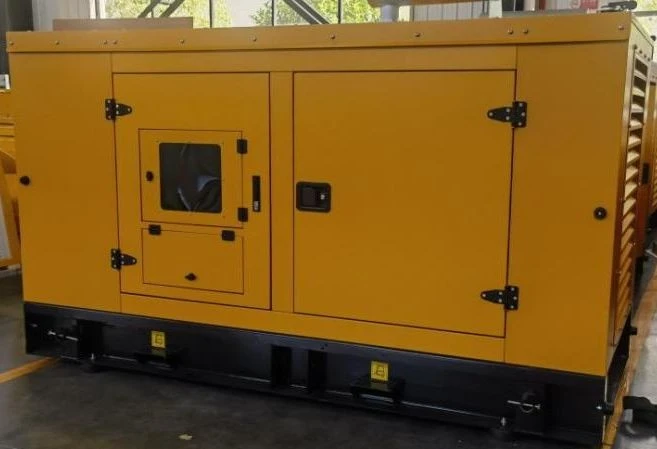
Before we start the connection process, it's important to understand the components involved. A Mobile Drainage Pump Trailer typically consists of a pump unit mounted on a trailer chassis. The pump is designed to move water from one place to another, and hoses are used to connect the pump to the source of water and the discharge point.
There are two main types of hoses used in this process: suction hoses and discharge hoses. Suction hoses are used to draw water from the source, while discharge hoses are used to move the water to the desired location.
Selecting the Right Hoses
The first step in connecting hoses to a Mobile Drainage Pump Trailer is selecting the right hoses. The hoses should be made of high - quality materials that can withstand the pressure and the type of water being pumped. For example, if you are pumping dirty water or water with debris, you may need a hose with a thicker wall and a more durable material.
The diameter of the hoses is also important. It should match the inlet and outlet sizes of the pump. Using hoses with the wrong diameter can lead to reduced flow rates and increased energy consumption.
Preparing the Pump and Hoses
Before connecting the hoses, make sure the pump is turned off and the power source is disconnected. This is a safety precaution to prevent any accidental start - up during the connection process.
Inspect the hoses for any signs of damage, such as cracks, holes, or worn - out fittings. If you find any damage, replace the hoses or the fittings before proceeding.
Connecting the Suction Hose
The suction hose is connected to the inlet of the pump. Here are the steps to follow:
- Clean the Fittings: Use a clean cloth to wipe the fittings on the pump inlet and the end of the suction hose. This will remove any dirt or debris that could prevent a proper seal.
- Apply Lubricant: Apply a small amount of hose lubricant to the O - ring or gasket on the hose fitting. This will make it easier to insert the fitting into the pump inlet and create a better seal.
- Insert the Fitting: Carefully insert the fitting on the suction hose into the pump inlet. Make sure it is fully seated and aligned properly.
- Secure the Connection: Use hose clamps to secure the connection. Tighten the clamps evenly to prevent any leaks.
Connecting the Discharge Hose
The discharge hose is connected to the outlet of the pump. The process is similar to connecting the suction hose:
- Clean and Lubricate: Clean the fittings on the pump outlet and the end of the discharge hose, and apply lubricant to the O - ring or gasket.
- Insert the Fitting: Insert the fitting on the discharge hose into the pump outlet, ensuring a proper fit.
- Secure the Connection: Use hose clamps to secure the connection, making sure they are tightened evenly.
Checking for Leaks
Once the hoses are connected, it's important to check for leaks. Turn on the pump and let it run for a few minutes. Inspect the connections for any signs of water leakage. If you find a leak, turn off the pump immediately and tighten the hose clamps or replace the damaged fittings.
Additional Considerations
- Support the Hoses: Make sure the hoses are properly supported to prevent kinking or bending. Kinked hoses can reduce the flow rate and put additional stress on the pump.
- Avoid Sharp Bends: Try to keep the hoses as straight as possible. Sharp bends can also cause a reduction in flow rate and increase the risk of damage to the hoses.
- Use the Right Fittings: Ensure that all fittings are compatible with the hoses and the pump. Using the wrong fittings can lead to leaks and other problems.
Mobile Drainage Pump Station and Related Products
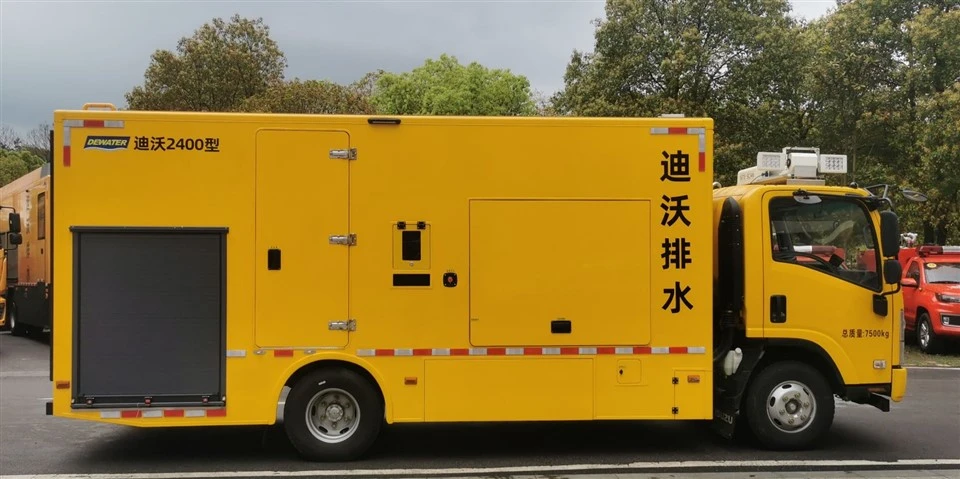
If you are interested in more advanced drainage solutions, you may want to explore our Mobile Drainage Pump Station. This product offers a comprehensive solution for various drainage needs. For larger - scale applications, our Large Mobile Drainage Pump Station provides high - capacity pumping capabilities. And if you prefer a more integrated solution, our Water Drainage Pump Truck is a great option.
Conclusion
Connecting hoses to a Mobile Drainage Pump Trailer is a relatively straightforward process, but it requires attention to detail. By following the steps outlined in this blog, you can ensure a proper and leak - free connection. If you have any further questions or need assistance with your drainage pump trailer, feel free to contact us for more information and to discuss your specific requirements. Whether you are a contractor, a municipality, or an industrial user, we are here to provide you with the best solutions for your drainage needs.
References
- "Pump Handbook" by Igor J. Karassik et al.
- Manufacturer's manuals for Mobile Drainage Pump Trailers.