


As a supplier of drainage pump vehicles, I understand the critical role these vehicles play in various scenarios, from flood control to industrial wastewater management. One of the most important aspects of operating a drainage pump vehicle effectively is adjusting its pressure correctly. In this blog, I'll share some insights on how to adjust the pressure of a drainage pump vehicle, ensuring optimal performance and reliability.
Understanding the Basics of Pump Pressure
Before diving into the adjustment process, it's essential to understand what pump pressure is and why it matters. Pump pressure refers to the force exerted by the pump to move water through the system. It is typically measured in pounds per square inch (PSI) or bars. The appropriate pressure for a drainage pump vehicle depends on several factors, including the type of pump, the length and diameter of the hoses, and the height and distance the water needs to be pumped.
Factors Affecting Pump Pressure
- Pump Type: Different types of pumps, such as centrifugal pumps and positive displacement pumps, have different pressure capabilities. Centrifugal pumps are commonly used in drainage pump vehicles due to their high flow rates and relatively low pressure requirements. Positive displacement pumps, on the other hand, can generate higher pressures but are typically used for more specialized applications.
- Hose Length and Diameter: The length and diameter of the hoses used in the drainage system can significantly affect pump pressure. Longer hoses and smaller diameters create more resistance, which requires the pump to work harder to maintain the desired flow rate. As a result, the pressure may need to be adjusted accordingly.
- Elevation and Distance: The height and distance the water needs to be pumped also impact pump pressure. Pumping water uphill or over long distances requires more energy and higher pressure to overcome gravity and friction.
Adjusting the Pressure of a Drainage Pump Vehicle
Now that we've covered the basics, let's discuss how to adjust the pressure of a drainage pump vehicle. The specific steps may vary depending on the make and model of the pump, but the general process is as follows:
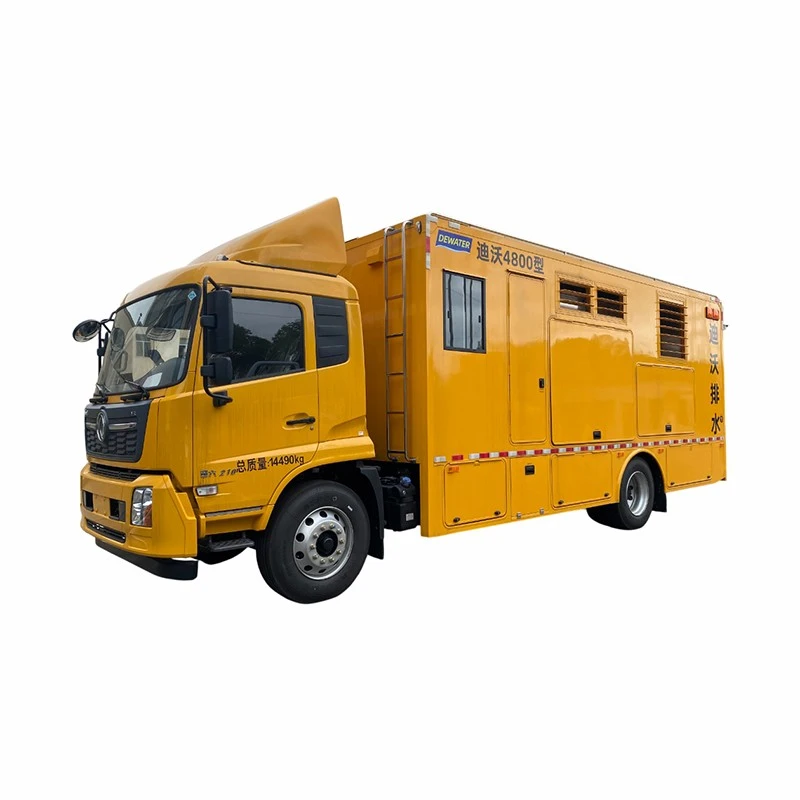

- Check the Manufacturer's Guidelines: Before making any adjustments, refer to the manufacturer's guidelines for your specific drainage pump vehicle. These guidelines will provide detailed instructions on how to adjust the pressure and any safety precautions you need to take.
- Locate the Pressure Adjustment Valve: Most drainage pump vehicles are equipped with a pressure adjustment valve, which allows you to increase or decrease the pressure. The valve is typically located near the pump or on the control panel.
- Monitor the Pressure Gauge: Use the pressure gauge on the pump to monitor the current pressure. This will help you determine whether the pressure needs to be adjusted and by how much.
- Make Small Adjustments: Turn the pressure adjustment valve slowly in small increments, either clockwise to increase the pressure or counterclockwise to decrease it. After each adjustment, wait a few seconds for the pressure to stabilize and check the pressure gauge again.
- Test the System: Once you've made the necessary adjustments, test the drainage system to ensure that it is operating correctly. Check for any leaks, unusual noises, or other signs of problems.
Tips for Optimal Pressure Adjustment
- Start with a Low Pressure: When starting a new drainage job, it's a good idea to start with a low pressure and gradually increase it as needed. This will help prevent damage to the pump and the hoses and ensure a smooth and efficient operation.
- Regularly Monitor the Pressure: Throughout the drainage process, regularly monitor the pressure gauge to ensure that the pressure remains within the recommended range. If the pressure fluctuates or exceeds the maximum limit, make the necessary adjustments immediately.
- Consider the Application: The optimal pressure for a drainage pump vehicle may vary depending on the specific application. For example, pumping water from a flooded basement may require a different pressure than pumping water from a construction site. Consider the application and the specific requirements when adjusting the pressure.
Applications of Drainage Pump Vehicles
Drainage pump vehicles are used in a wide range of applications, including:
- Flood Control: During heavy rainfall or flooding, drainage pump vehicles are used to remove water from streets, basements, and other flooded areas. They play a crucial role in preventing property damage and protecting lives.
- Industrial Wastewater Management: In industrial settings, drainage pump vehicles are used to remove wastewater, sewage, and other liquids from factories, mines, and construction sites. They help maintain a clean and safe working environment and comply with environmental regulations.
- Firefighting Support: Drainage pump vehicles can also be used to provide water supply for firefighting operations. They can pump water from lakes, rivers, or other sources and deliver it to the fire scene through hoses and nozzles.
Related Products
- Drainage Pump Vehicles in Disaster Sites: These specialized drainage pump vehicles are designed to operate in challenging disaster environments, such as flood - affected areas or earthquake - damaged sites.
- Light Duty Rescue Pump Trucks: Ideal for smaller - scale drainage and rescue operations, these pump trucks offer a more compact and maneuverable solution.
- Mobile Fire Water Supply Pump Trailer: This trailer - mounted pump is a valuable asset for firefighting teams, providing a reliable water supply in various locations.
Contact Us for Purchase and Consultation
If you're in the market for a drainage pump vehicle or need more information on pressure adjustment and other aspects of pump operation, we're here to help. Our team of experts can provide you with detailed product information, technical support, and customized solutions to meet your specific needs. Whether you're a municipality, an industrial company, or a firefighting department, we have the right drainage pump vehicle for you.
References
- Manufacturer's manuals for drainage pump vehicles
- Industry standards and guidelines for pump operation and maintenance