


In times of emergency, such as heavy rainstorms, flash floods, or tunnel inundation, a diesel flood control pump can be a lifesaver. As a supplier of diesel flood control pumps, I've seen firsthand how these powerful machines can mitigate the damage caused by flooding and protect lives and property. In this blog post, I'll share some essential tips on how to handle a diesel flood control pump in case of an emergency.
Pre - emergency Preparation
- Regular Maintenance
Before an emergency strikes, it's crucial to ensure that your diesel flood control pump is in top - notch condition. Regular maintenance includes checking the engine oil level, coolant level, and fuel level. Inspect the hoses for any signs of wear or damage, and replace them if necessary. Also, test the pump's starting system to make sure it can start up quickly when needed. A well - maintained pump is more likely to perform reliably during an emergency. - Familiarize Yourself with the Pump
Take the time to read the pump's user manual thoroughly. Understand its features, operation procedures, and safety precautions. Know how to start and stop the pump, adjust the flow rate, and troubleshoot common problems. Familiarity with the pump will allow you to act quickly and efficiently when an emergency occurs. - Stock Spare Parts
Keep a stock of essential spare parts, such as filters, gaskets, and belts. In an emergency, having these parts on hand can save valuable time and prevent downtime. Make sure to store the spare parts in a dry and accessible location.
During the Emergency
- Assess the Situation
When you arrive at the flood - affected area, assess the situation carefully. Determine the depth and volume of the water, the location of the water source, and any potential hazards. This information will help you decide on the best location to set up the pump and the appropriate pumping strategy. - Set Up the Pump
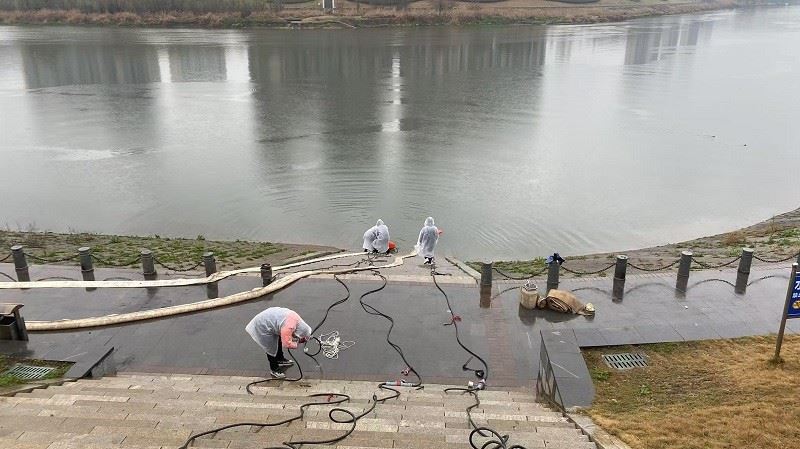
Choose a stable and elevated location for the pump to prevent it from being submerged. Ensure that the intake hose is placed in the water at a sufficient depth to avoid sucking in air. Connect the discharge hose to the pump outlet and direct it to a safe discharge point, such as a storm drain or a nearby body of water. - Start the Pump
Follow the correct starting procedure as outlined in the user manual. Prime the pump if necessary to remove any air from the system. Once the pump is running, monitor the pressure gauge and flow rate to ensure that the pump is operating within its design parameters. - Monitor the Pump Operation
Regularly check the pump's performance during operation. Listen for any unusual noises or vibrations, which could indicate a problem. Check the engine temperature, oil pressure, and fuel level. If you notice any issues, stop the pump immediately and troubleshoot the problem. - Adjust the Pumping Strategy
Based on the changing water conditions, you may need to adjust the pumping strategy. For example, if the water level is dropping rapidly, you may need to reduce the flow rate to avoid running the pump dry. If the water contains a lot of debris, you may need to install a strainer on the intake hose to prevent clogging.
Post - emergency Procedures
- Shut Down the Pump Properly
Once the flooding has subsided and the pumping is no longer required, follow the correct shutdown procedure. Turn off the engine and allow it to cool down before disconnecting the hoses. - Clean and Inspect the Pump
Thoroughly clean the pump and its components to remove any dirt, debris, or water. Inspect the pump for any damage that may have occurred during the emergency. Replace any worn or damaged parts as needed. - Document the Incident
Keep a record of the emergency, including the date, time, location, water conditions, and the performance of the pump. This documentation can be useful for future reference and for evaluating the effectiveness of your emergency response.
Special Considerations for Different Emergency Scenarios
- Tunnel Emergency Drainage
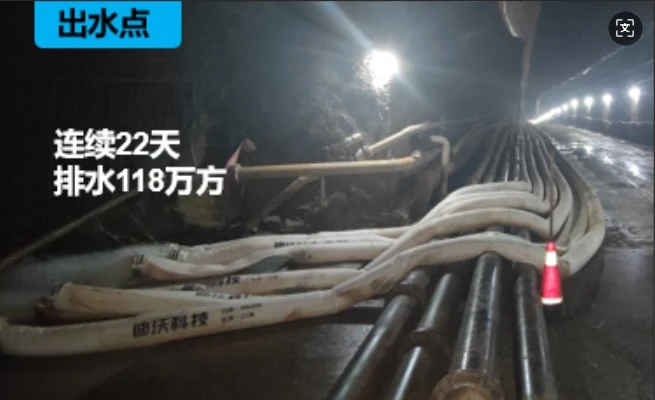
In tunnel emergencies, the confined space and potential for limited ventilation pose unique challenges. When using a diesel flood control pump for Tunnel Emergency Drainage Equipment, ensure that there is adequate ventilation to prevent the buildup of exhaust fumes. Also, be aware of the risk of water contamination from the tunnel's infrastructure, such as oil or chemicals. - Rainstorm Emergency Drainage
During heavy rainstorms, the volume of water can increase rapidly. You may need to use multiple pumps in parallel to handle the large flow rate. Additionally, be prepared for the possibility of power outages, which could affect the operation of electric - powered pumps. Diesel flood control pumps are a reliable alternative in such situations. - Flood Control with Submersible Pumps
Submersible Pump For Flood Control can be a great option for flood control, especially in areas with deep water. When using a submersible pump, make sure it is properly installed and secured. Check the cable for any damage to prevent electrical hazards.
Conclusion
Handling a diesel flood control pump in an emergency requires proper preparation, quick action, and careful monitoring. By following the tips outlined in this blog post, you can ensure that your pump operates effectively and safely during a flood emergency.
As a supplier of diesel flood control pumps, we are committed to providing high - quality products and excellent customer service. Our pumps are designed to meet the most demanding emergency situations, and we offer a wide range of models to suit different needs. Whether you need Tunnel Emergency Drainage Equipment, Rainstorm Emergency Drainage Equipment, or Submersible Pump For Flood Control, we have the solution for you.
If you're interested in learning more about our diesel flood control pumps or need assistance in choosing the right pump for your emergency needs, please don't hesitate to contact us. We're here to help you protect your property and ensure your safety during flood emergencies.
References
- Manufacturer's user manuals for diesel flood control pumps
- Industry standards and guidelines for flood control equipment
- Previous emergency response reports and case studies