


As a supplier of drainage pump vehicles, I understand the critical importance of ensuring these machines operate smoothly without blockages. Blockages can not only disrupt the dewatering process but also lead to costly repairs and downtime. In this blog, I will discuss various anti - blockage measures for drainage pump vehicles to help you make the most of your equipment.
1. Pre - filtration Systems
One of the most effective ways to prevent blockages in drainage pump vehicles is by using pre - filtration systems. These systems are designed to remove large debris before the water enters the pump. There are several types of pre - filtration systems available, each with its own advantages.
Basket Strainers
Basket strainers are simple yet effective pre - filtration devices. They consist of a basket - shaped screen that traps large solids such as leaves, twigs, and rocks. The basket can be easily removed and cleaned, which makes maintenance relatively straightforward. Basket strainers are commonly used in applications where the water contains a moderate amount of debris. For example, in urban flood control scenarios, where stormwater may carry a variety of solid materials, basket strainers can significantly reduce the risk of pump blockage.
Automatic Self - Cleaning Filters
Automatic self - cleaning filters are more advanced pre - filtration solutions. These filters use a combination of pressure sensors and backwashing mechanisms to remove trapped debris automatically. When the pressure differential across the filter reaches a certain threshold, the filter initiates a backwashing cycle, which flushes out the collected debris. This type of filter is ideal for applications where continuous operation is required, such as in industrial wastewater treatment plants. The Dewatering Pump Truck can be equipped with such automatic self - cleaning filters to ensure uninterrupted performance.
2. Pump Design and Selection
The design and selection of the pump itself play a crucial role in preventing blockages. Different types of pumps have different capabilities when it comes to handling solids.
Centrifugal Pumps with Open Impellers
Centrifugal pumps with open impellers are often preferred for drainage applications because they can handle larger solids compared to pumps with closed impellers. The open design of the impeller allows solids to pass through the pump more easily, reducing the likelihood of blockage. These pumps are suitable for a wide range of applications, from dewatering construction sites to draining flood - prone areas. The Flooding Control Pickup can be fitted with centrifugal pumps with open impellers to enhance its anti - blockage performance.
Chopper Pumps
Chopper pumps are specifically designed to cut through solid materials before they enter the pump. These pumps are equipped with a cutting mechanism, usually a set of rotating blades, that shreds large solids into smaller pieces. This makes it easier for the pump to handle the solids and reduces the risk of blockage. Chopper pumps are commonly used in applications where the water contains fibrous materials, such as sewage treatment plants and agricultural drainage.
3. Regular Maintenance and Inspection
Regular maintenance and inspection are essential for ensuring the long - term anti - blockage performance of drainage pump vehicles.
Cleaning the Pump and Intake
Regularly cleaning the pump and its intake is crucial to prevent the buildup of debris. This includes removing any accumulated sediment, leaves, or other solids from the pump housing, impeller, and intake pipes. A simple inspection of the pump's intake area can often reveal potential blockage issues before they become serious problems. For example, if the intake is clogged with debris, it can restrict the flow of water into the pump, leading to reduced performance and increased wear on the pump components.
Checking the Seals and Gaskets
Seals and gaskets play an important role in preventing debris from entering the pump's internal components. Over time, these seals and gaskets can wear out or become damaged, allowing debris to enter the pump. Regularly checking and replacing worn seals and gaskets can help maintain the integrity of the pump and prevent blockages.
4. Monitoring and Control Systems
Modern drainage pump vehicles are often equipped with monitoring and control systems that can help detect and prevent blockages.
Flow and Pressure Sensors
Flow and pressure sensors can be used to monitor the performance of the pump. If the flow rate drops or the pressure increases suddenly, it may indicate a blockage in the pump or the pipeline. These sensors can be connected to an alarm system, which alerts the operator when a potential blockage is detected. This allows the operator to take immediate action to prevent further damage to the pump.
Remote Monitoring and Diagnostic Systems
Remote monitoring and diagnostic systems allow operators to monitor the performance of the drainage pump vehicle from a remote location. These systems can provide real - time data on the pump's operating parameters, such as flow rate, pressure, and temperature. By analyzing this data, operators can detect early signs of blockage and take preventive measures. For example, if the system detects a gradual decrease in flow rate over time, it may indicate the buildup of debris in the pump or the pipeline, and the operator can schedule maintenance accordingly.
5. Operator Training
Proper operator training is essential for preventing blockages in drainage pump vehicles. Operators should be trained on how to operate the pump correctly, how to perform regular maintenance tasks, and how to recognize the signs of a potential blockage.
Operating Procedures
Operators should be familiar with the correct operating procedures for the drainage pump vehicle. This includes starting and stopping the pump properly, adjusting the flow rate as needed, and ensuring that the pump is not overloaded. For example, if the pump is operated at a flow rate that is too high for the conditions, it can cause the pump to cavitate, which can lead to damage and blockage.
Maintenance Training
Operators should also receive training on how to perform basic maintenance tasks, such as cleaning the pump, checking the oil level, and replacing filters. By performing regular maintenance, operators can prevent blockages from occurring and extend the lifespan of the pump.
In conclusion, preventing blockages in drainage pump vehicles requires a comprehensive approach that includes pre - filtration systems, proper pump design and selection, regular maintenance and inspection, monitoring and control systems, and operator training. As a supplier of drainage pump vehicles, we offer a range of products, including the Dewatering Pump Truck, Flooding Control Pickup, and Light Duty Rescue Pump Trucks, that are designed with these anti - blockage measures in mind.

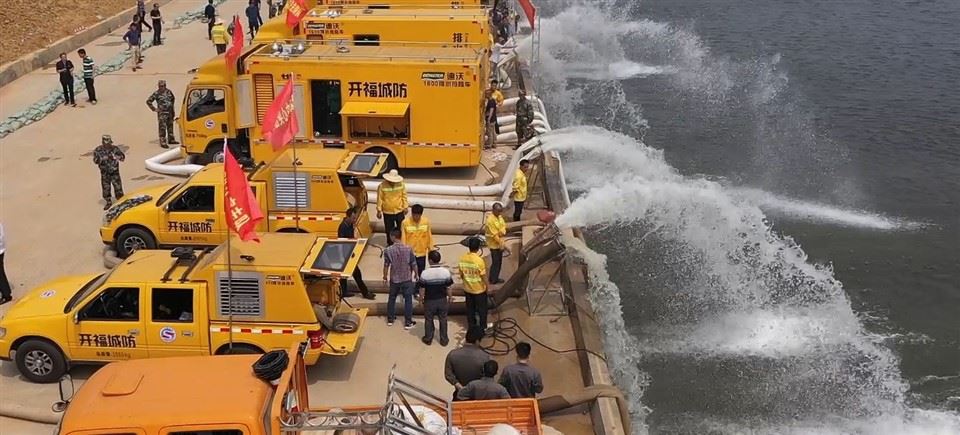
If you are interested in purchasing drainage pump vehicles or need more information about our anti - blockage solutions, please feel free to contact us for a detailed discussion. We are committed to providing you with high - quality products and professional services to meet your dewatering needs.
References
- American Society of Mechanical Engineers (ASME). "Pump Standards and Guidelines."
- Hydraulic Institute. "Handbook of Pump Systems."
- International Organization for Standardization (ISO). "Standards for Drainage and Pumping Equipment."