


Hey there! As a supplier of Mobile Pumping Stations, I've seen firsthand how crucial it is to ensure the stability of these machines during operation. Whether it's for flood control, emergency drainage, or other applications, a stable pumping station can make all the difference. In this blog post, I'll share some tips and tricks on how to keep your mobile pumping station running smoothly.
1. Proper Installation and Setup
The first step in ensuring the stability of a mobile pumping station is to install and set it up correctly. This starts with choosing the right location. The ground should be level and firm enough to support the weight of the pumping station. If the ground is uneven, it can cause the pumping station to tilt, which may lead to mechanical problems and reduced efficiency.
Before installing the pumping station, make sure to clear the area of any debris or obstacles. This will prevent any interference with the operation of the pumps and other components. Also, ensure that there is enough space around the pumping station for maintenance and access.
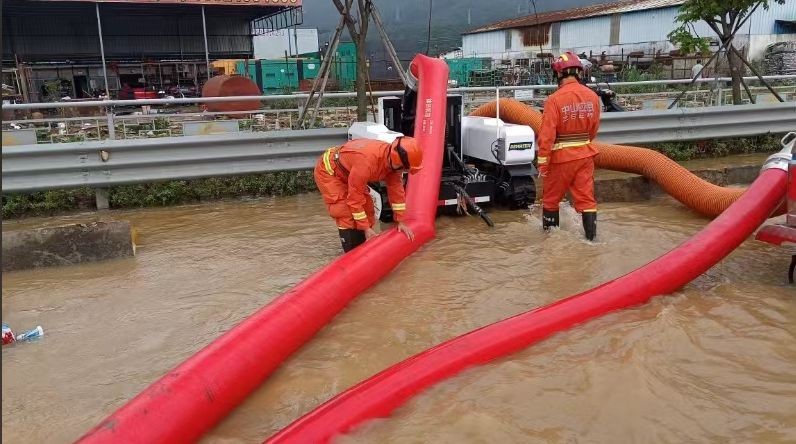

When connecting the hoses and pipes, use high - quality fittings and make sure they are tightly secured. Loose connections can lead to leaks, which not only waste water but can also cause damage to the surrounding area and the pumping station itself.
2. Regular Maintenance
Regular maintenance is key to the stability of a mobile pumping station. Just like a car, if you don't take care of it, it's going to break down eventually.
First, check the oil levels in the engine and the pumps regularly. Low oil levels can cause overheating and premature wear of the moving parts. Also, change the oil at the recommended intervals. This will keep the engine and pumps lubricated and running smoothly.
Inspect the filters, including the air filter and the fuel filter. A clogged filter can restrict the flow of air or fuel, reducing the performance of the pumping station. Replace the filters as needed to ensure proper operation.
Examine the belts and chains for signs of wear and tear. Loose or damaged belts and chains can cause the pumps to operate inefficiently or even stop working altogether. Tighten or replace them if necessary.
Don't forget about the electrical system. Check the wiring for any signs of damage or corrosion. Loose connections or faulty wiring can lead to electrical problems, which can be dangerous and can also cause the pumping station to malfunction.
3. Operator Training
Even the best - maintained pumping station can run into problems if it's not operated correctly. That's why operator training is so important.
Make sure that the operators are familiar with the operation manual of the pumping station. They should know how to start and stop the pumps, how to adjust the flow rate, and how to troubleshoot common problems.
Training should also cover safety procedures. Operators should be aware of the potential hazards associated with operating a pumping station, such as electrical shock, moving parts, and high - pressure water. They should wear appropriate safety gear, such as gloves, safety glasses, and hard hats.
Regular refresher courses can be beneficial to keep the operators up - to - date with the latest operating techniques and safety procedures.
4. Monitoring and Control
Installing a monitoring system can help you keep an eye on the performance of the mobile pumping station. A monitoring system can track parameters such as flow rate, pressure, temperature, and vibration.
By monitoring these parameters, you can detect any potential problems early on. For example, if the temperature of the engine or the pumps starts to rise abnormally, it could be a sign of a cooling problem or a mechanical issue. If the vibration levels increase, it may indicate that there is something wrong with the alignment of the pumps or the engine.
You can also use a control system to adjust the operation of the pumping station automatically. For example, if the water level in the sump reaches a certain level, the control system can start the pumps. When the water level drops below a certain point, the pumps can be stopped. This not only ensures the stability of the pumping station but also helps to conserve energy.
5. Quality Components
Using high - quality components is essential for the stability of a mobile pumping station. When you're building or buying a pumping station, don't cut corners on the components.
Invest in good - quality pumps, engines, hoses, and pipes. High - quality components are more reliable and durable, which means they are less likely to break down during operation. They may cost more upfront, but in the long run, they can save you a lot of money on repairs and replacements.
For example, if you're looking for a Flood Control Pump Truck, Mobile Drainage Pump Station, or Large Flow Drainage Emergency Rescue Truck, make sure that the components used in these vehicles are of the highest quality.
6. Environmental Considerations
The environment in which the mobile pumping station operates can also affect its stability. Extreme temperatures, high humidity, and corrosive substances can all take a toll on the pumping station.
If the pumping station is going to be used in a hot environment, make sure that the cooling system is working properly. You may need to install additional cooling fans or use a high - performance radiator.
In a humid environment, moisture can cause corrosion of the metal components. Use anti - corrosion coatings on the pumps, engines, and other metal parts. Also, make sure that the electrical components are protected from moisture.
If the pumping station is going to be used to pump corrosive substances, such as sewage or chemicals, use pumps and hoses that are resistant to corrosion.
Conclusion
Ensuring the stability of a mobile pumping station during operation is a multi - faceted task. It requires proper installation and setup, regular maintenance, operator training, monitoring and control, the use of quality components, and consideration of the operating environment.
If you're in the market for a mobile pumping station or need advice on how to keep your existing one running smoothly, don't hesitate to reach out. We're here to help you make the right choices and ensure that your pumping station performs at its best. Whether it's for flood control, emergency drainage, or other applications, we have the expertise and the products to meet your needs. Contact us today to start the procurement negotiation process and find the perfect mobile pumping station for your requirements.
References
- "Pumping Station Design and Operation Handbook"
- Manufacturer's operation manuals for mobile pumping stations