



Hey there! As a supplier of Mobile Drainage Pumps, I've been getting a bunch of questions about the test methods for these pumps. So, I thought I'd put together this blog to share some insights on what those test methods are and why they're super important.
Why Testing is Crucial
First off, let's talk about why we even bother testing mobile drainage pumps. These pumps are used in all sorts of critical situations, like draining flooded mines, handling emergency water removal during natural disasters, or keeping construction sites dry. If a pump fails when it's needed most, it can lead to some serious problems, like property damage, safety risks, and costly downtime. So, testing ensures that the pumps meet the required standards and can perform reliably when called upon.
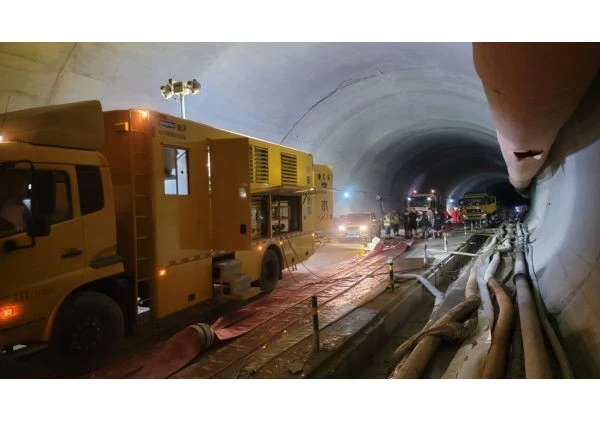

Visual Inspection
The first step in testing a mobile drainage pump is a good old - fashioned visual inspection. This is pretty straightforward. We take a close look at the pump to check for any obvious signs of damage, like cracks in the casing, loose parts, or signs of corrosion. A damaged pump might not work properly or could break down during operation. We also check the alignment of the pump and the motor. If they're not properly aligned, it can cause excessive vibration and wear on the components, reducing the pump's lifespan.
Performance Testing
Flow Rate Testing
One of the most important performance metrics for a mobile drainage pump is its flow rate. Flow rate refers to the volume of water the pump can move in a given amount of time, usually measured in liters per minute or gallons per minute. To test the flow rate, we set up the pump in a controlled environment, like a test tank. We measure the amount of water that enters and exits the tank over a specific period. By comparing these measurements, we can calculate the actual flow rate of the pump. If the flow rate is lower than the pump's rated capacity, it could indicate a problem, such as a clogged impeller or a worn - out pump.
Head Testing
Another key performance parameter is the head. Head is the height to which the pump can lift water. It's a measure of the pump's ability to overcome the resistance of the water column and the piping system. To test the head, we connect the pump to a vertical pipe and measure the pressure at different points along the pipe. Using the pressure readings and the laws of fluid mechanics, we can calculate the head. A pump with a lower head than specified might not be able to deliver water to the required height, which can be a major issue in applications like high - rise building construction or water supply systems.
Efficiency Testing
Efficiency is also a critical factor. It tells us how well the pump converts the input power (from the motor) into useful work (moving water). To test the efficiency, we measure the power input to the pump using a power meter and calculate the power output based on the flow rate and head. The ratio of the power output to the power input gives us the pump's efficiency. A low - efficiency pump will consume more energy, increasing operating costs.
Durability Testing
Continuous Operation Testing
Mobile drainage pumps often need to run for long periods without interruption. So, we conduct continuous operation tests to see how well the pump holds up under extended use. We run the pump continuously for a set number of hours, monitoring its performance and checking for any signs of overheating, excessive wear, or other problems. This helps us identify any potential reliability issues and make necessary improvements to the pump design.
Vibration Testing
Vibration can be a sign of mechanical problems in a pump. Excessive vibration can lead to premature wear of the components, loose connections, and even structural damage. To test for vibration, we use vibration sensors attached to the pump. These sensors measure the amplitude and frequency of the vibrations. If the vibration levels are outside the acceptable range, we investigate the cause, which could be anything from an unbalanced impeller to a misaligned motor.
Safety Testing
Electrical Safety Testing
For pumps that are powered by electricity, electrical safety is of utmost importance. We test the insulation resistance of the motor windings to ensure that there are no electrical leaks that could pose a shock hazard. We also check the grounding system to make sure that the pump is properly grounded, which helps protect against electrical faults.
Explosion - Proof Testing
In some applications, like mining, the pumps need to be explosion - proof. For example, our BQS400 - 300 Mining Explosion - Proof Submersible Drainage Pump undergoes rigorous explosion - proof testing. We subject the pump to a series of tests in an explosion - proof test chamber to ensure that it can operate safely in explosive atmospheres without causing an explosion.
Types of Mobile Drainage Pumps and Their Testing
Mobile Dewatering Pump
Our Mobile Dewatering Pump is commonly used in construction sites, mines, and industrial areas to remove water from low - lying areas. When testing this type of pump, in addition to the standard tests, we pay special attention to its ability to handle solids. We introduce a controlled amount of solid particles into the test water to see how well the pump can pass them through without clogging.
Reservoir Burst Drainage Emergency Pump
The Reservoir Burst Drainage Emergency Pump is designed for emergency situations, like when a reservoir bursts. These pumps need to be able to start up quickly and operate at high capacity. During testing, we focus on the pump's startup time and its ability to handle large volumes of water under high - pressure conditions.
Conclusion
Testing mobile drainage pumps is a comprehensive process that involves a variety of methods to ensure their performance, durability, and safety. By conducting these tests, we can provide our customers with high - quality pumps that they can rely on in critical situations.
If you're in the market for a mobile drainage pump and want to learn more about our products or have any questions about the testing process, don't hesitate to reach out. We're here to help you find the right pump for your needs and ensure that it meets all your requirements. Let's have a chat and see how we can work together to solve your water - handling challenges.
References
- "Pump Handbook" by Igor J. Karassik et al.
- Standards and guidelines from relevant industry organizations such as the American Society of Mechanical Engineers (ASME) and the International Organization for Standardization (ISO).