


When it comes to using a mobile drainage pump, safety is of paramount importance. As a trusted mobile drainage pump supplier, I understand the significance of ensuring that our customers are well - informed about the safety precautions associated with these essential pieces of equipment. In this blog, I will delve into the key safety measures that should be taken when operating a mobile drainage pump.
Pre - operation Safety Checks
Before starting the mobile drainage pump, a series of pre - operation checks are necessary. First and foremost, inspect the pump's physical condition. Look for any visible signs of damage such as cracks in the housing, loose fittings, or frayed wires. A damaged pump can not only malfunction but also pose a serious safety risk. For example, a crack in the pump housing may lead to leakage of the pumped fluid, which could be hazardous if it is a corrosive or toxic substance.
Check the power source. If the pump is electrically powered, ensure that the power cord is in good condition without any exposed wires. Make sure the power supply voltage matches the pump's requirements. Using an incorrect voltage can damage the pump motor and may cause an electrical short - circuit, leading to a fire hazard. For diesel - powered pumps, check the fuel level and the condition of the fuel lines. Any fuel leakage can be extremely dangerous due to the flammable nature of diesel.
Verify the proper installation of the pump. The pump should be placed on a stable and level surface. An unstable pump can tip over during operation, causing damage to the equipment and potentially injuring nearby personnel. If the pump is being used in an Underground Narrow Space Drainage scenario, ensure that there is proper ventilation to prevent the build - up of harmful gases.
Personal Protective Equipment (PPE)
Wearing appropriate personal protective equipment is non - negotiable when using a mobile drainage pump. Safety goggles should be worn to protect the eyes from any splashes of the pumped fluid. This is especially important when dealing with dirty water, chemicals, or other substances that can cause eye irritation or damage.
Ear protection is also necessary, as mobile drainage pumps can be quite noisy during operation. Prolonged exposure to high - decibel noise can lead to hearing loss. Use earplugs or earmuffs that are rated for the noise level produced by the pump.
Gloves should be worn to protect the hands from cuts, abrasions, and contact with potentially harmful substances. Depending on the nature of the pumped fluid, chemical - resistant gloves may be required. For example, if the pump is used to drain a solution containing acids or alkalis, chemical - resistant gloves will prevent skin burns.
Sturdy work boots are essential to protect the feet from falling objects, sharp edges, and potential electrical hazards. They should have non - slip soles to prevent slips and falls, especially in wet environments where the pump is often used.
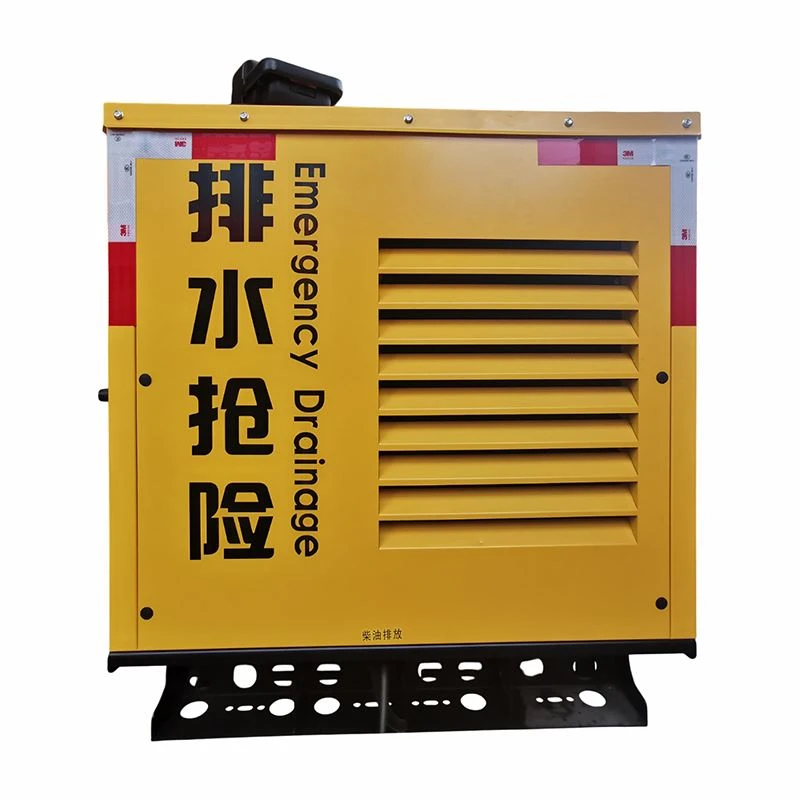

Operation Safety
During the operation of the mobile drainage pump, it is crucial to follow the manufacturer's instructions carefully. Do not overload the pump. Each pump has a specific capacity in terms of flow rate and head. Exceeding these limits can cause the pump to overheat, leading to motor failure or even a fire.
Keep a safe distance from the moving parts of the pump. The impeller and other rotating components can cause serious injuries if a person comes into contact with them. Do not attempt to make any adjustments or repairs to the pump while it is running. Always turn off the power source and allow the pump to come to a complete stop before performing any maintenance tasks.
If the pump is being used in a hazardous environment, such as near a fire or in an area with flammable gases, use a Fire Water Supply Pump that is specifically designed for such conditions. These pumps are built to meet strict safety standards and can handle the demands of a dangerous situation.
Monitor the pump's performance during operation. Check the pressure gauges, flow meters, and other indicators regularly. Any abnormal readings, such as a sudden drop in pressure or an increase in temperature, may indicate a problem with the pump. If such issues are detected, stop the pump immediately and investigate the cause.
Post - operation Safety
After the operation is completed, follow the proper shutdown procedures. Turn off the power source or stop the engine of the pump. Allow the pump to cool down before performing any post - operation tasks.
Drain the remaining fluid from the pump and the hoses. This not only helps to prevent corrosion but also reduces the risk of freezing in cold weather. If the pump is going to be stored for an extended period, clean it thoroughly to remove any dirt, debris, or chemical residues.
Inspect the pump again for any signs of wear or damage that may have occurred during operation. Replace any worn - out parts promptly to ensure the pump's continued safe and efficient operation.
Store the pump in a dry and secure location. If the pump is a Trailer Mounted Drainage Pump Station, make sure the trailer is properly secured and parked on a flat surface.
Training and Education
Proper training is essential for anyone who will be operating a mobile drainage pump. Operators should be trained on the pump's features, operation procedures, safety precautions, and maintenance requirements. Training programs should include both theoretical knowledge and practical hands - on experience.
Regular safety meetings and refresher courses can also help to keep operators informed about the latest safety practices and any changes in the pump's operation. By investing in training and education, companies can significantly reduce the risk of accidents and ensure the safe use of mobile drainage pumps.
Emergency Preparedness
Despite taking all the necessary safety precautions, emergencies can still occur. It is important to have an emergency plan in place. This plan should include procedures for dealing with pump failures, fires, electrical shocks, and other potential hazards.
First - aid kits should be readily available near the pump operating area. All operators should be trained in basic first - aid procedures so that they can provide immediate assistance in case of an injury.
In addition, fire extinguishers should be installed in the vicinity of the pump, especially if the pump is powered by diesel or if it is being used in an environment where there is a risk of fire.
Conclusion
Using a mobile drainage pump safely requires a combination of pre - operation checks, proper use of personal protective equipment, careful operation, post - operation maintenance, training, and emergency preparedness. As a mobile drainage pump supplier, I am committed to providing high - quality pumps and ensuring that our customers have the knowledge and resources they need to use them safely.
If you are in the market for a mobile drainage pump or have any questions about safety precautions, please feel free to contact us for more information and to discuss your specific requirements. Our team of experts is ready to assist you in making the right choice for your drainage needs.
References
- Manufacturer's operation manuals for mobile drainage pumps.
- Occupational Safety and Health Administration (OSHA) guidelines for equipment operation and safety.
- Industry standards and best practices for pump operation and maintenance.