


Hey there! As a supplier of Flooding Control Pickups, I've seen firsthand how crucial these vehicles are in dealing with flood emergencies. But operating a Flooding Control Pickup isn't as simple as hopping in and driving. There are some specific training requirements that operators need to meet to ensure they can handle these powerful machines safely and effectively.
First off, let's talk about the basics. Before anyone can even think about operating a Flooding Control Pickup, they need to have a valid driver's license. This might seem like a no - brainer, but it's the foundation. A regular driver's license for normal vehicles isn't always enough. In many cases, operators need a commercial driver's license (CDL), especially if the Flooding Control Pickup is classified as a commercial vehicle due to its size, weight, or the nature of its use.
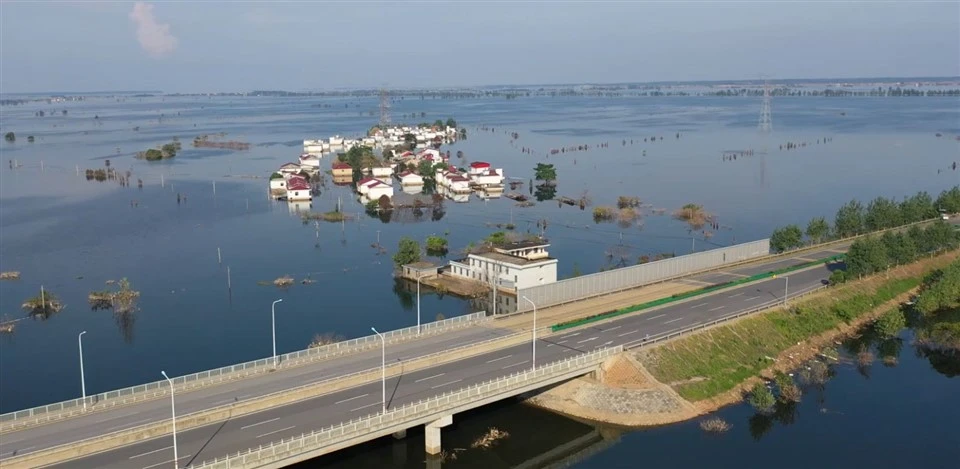
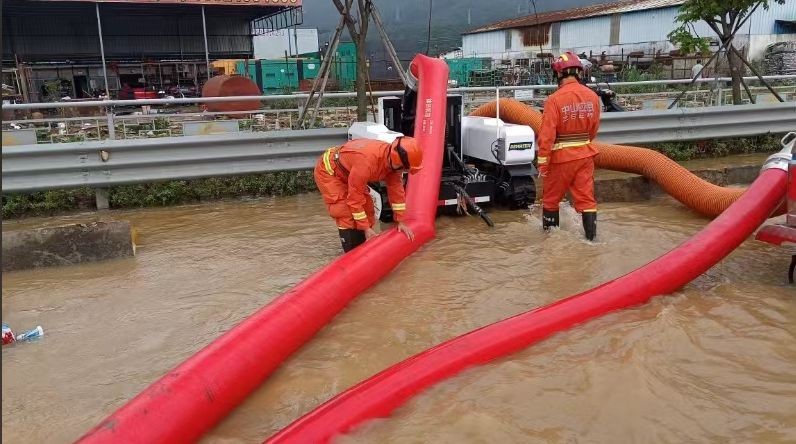
Once the licensing part is sorted, operators need to go through technical training. This training covers the ins and outs of the Flooding Control Pickup's mechanical components. They need to understand how the engine works, how to check and maintain the fluid levels like oil, coolant, and hydraulic fluid. For example, if the hydraulic fluid is low, it can affect the operation of the pumping system, which is the heart of the Flooding Control Pickup.
The pumping system itself is a major focus of the training. Operators need to learn how to start and stop the pumps correctly. There are specific procedures to follow to prevent damage to the pumps. They also need to know how to adjust the pump's flow rate. Different flood situations require different flow rates. For instance, in a small basement flood, a lower flow rate might be sufficient, while in a large - scale street flood, a higher flow rate will be needed.
Another important aspect of the training is safety. Flooding situations are already dangerous, and operating a Flooding Control Pickup adds another layer of risk. Operators are trained on how to handle the vehicle in wet and slippery conditions. They learn about proper braking distances and how to avoid hydroplaning. Safety equipment is also a big deal. They need to know how to use personal protective equipment (PPE) like life jackets, safety boots, and gloves. And they must be aware of the safety features of the Flooding Control Pickup itself, such as emergency stop buttons and warning lights.
Navigation training is also essential. In flood - affected areas, the normal road conditions are often completely changed. Streets might be underwater, and landmarks might be hidden. Operators need to be able to use GPS systems effectively and also have a basic understanding of map - reading. They need to plan their routes carefully to reach the flood site quickly and safely.
Now, let's talk about some of the products we offer as a Flooding Control Pickup supplier. We have the Large Flow Drainage Emergency Rescue Truck. This beast is designed for large - scale flood emergencies. It has a high - capacity pumping system that can move a huge amount of water in a short time. But because of its size and power, the training requirements for operating it are a bit more intensive. Operators need to be extra careful when maneuvering it, especially in tight spaces.
We also have the Light Duty Rescue Pump Trucks. These are more suitable for smaller flood situations, like in residential areas. They are easier to handle, but still, proper training is necessary. The training for these trucks focuses more on precision pumping and easy - to - access areas.
And then there's the Dewatering Pump Trailer. This is a great option for more flexible flood control. It can be towed by a regular vehicle to the flood site. The training for operating the dewatering pump trailer is centered around hooking it up correctly and ensuring that the pump is stable during operation.
In addition to the technical and safety training, operators also need to be trained in communication. During a flood emergency, they need to be able to communicate effectively with other emergency responders, like firefighters and police officers. They need to report the situation accurately, including the amount of water being pumped, the condition of the flood site, and any potential hazards.
Simulation training is also a valuable part of the process. Using simulators, operators can practice different flood scenarios without actually being in a real - life dangerous situation. They can make mistakes in the simulator and learn from them without any real - world consequences. This helps them build confidence and improve their skills.
Once the operators have completed the training, regular refresher courses are a must. Technology is always evolving, and new safety procedures are being developed. Refresher courses ensure that operators stay up - to - date with the latest information and techniques.
If you're in the market for a Flooding Control Pickup or are interested in our training programs, we're here to help. We understand that every flood situation is unique, and we can work with you to find the right vehicle and training solution for your needs. Whether you're a local government agency, a private emergency response company, or an individual looking for flood protection, we've got you covered.
Contact us today to start the conversation about how we can help you with your flooding control needs. Let's work together to make flood emergencies a little less scary.
References
- Industry standards for flood control vehicle operation
- Manufacturer's manuals for Flooding Control Pickups
- Safety guidelines from relevant emergency response organizations