


Hey there! As a supplier of Traction Large Flow Pumps, I've seen firsthand how crucial these pumps are in various industries. Whether it's for flood control, water transfer, or industrial applications, these pumps are workhorses. But like any powerful equipment, operating them safely is of utmost importance. So, let's dive into the safety precautions you need to take when operating a Traction Large Flow Pump.
Pre - operation Checks
Before you even think about starting the pump, a thorough pre - operation check is a must. First off, inspect the pump's physical condition. Look for any visible signs of damage, like cracks in the housing, loose bolts, or frayed wires. A damaged pump can not only malfunction but also pose a serious safety risk.
Check the fluid levels. This includes the engine oil, coolant, and fuel. Low fluid levels can cause overheating, engine damage, or even a breakdown during operation. Make sure the oil level is within the recommended range on the dipstick, and the coolant reservoir is filled to the appropriate mark.
Inspect the hoses and connections. They should be tight and free from leaks. A leaking hose can lead to a loss of pressure and potentially cause the pump to malfunction. Also, check for any kinks or blockages in the hoses, as these can restrict the flow of water and put unnecessary stress on the pump.
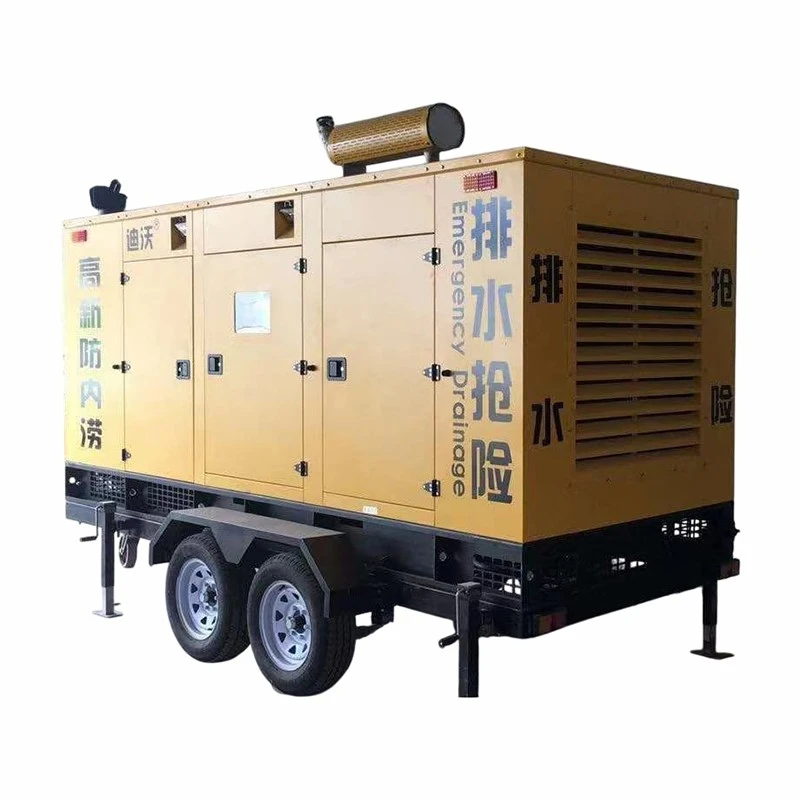

The electrical system is another critical area to examine. Ensure that all electrical connections are secure and that there are no exposed wires. Faulty electrical connections can lead to short circuits, electrical shocks, or even fires.
Safety Gear
Wearing the right safety gear is non - negotiable when operating a Traction Large Flow Pump. Start with safety glasses. They protect your eyes from flying debris, water splashes, and any chemicals that might be present in the water being pumped.
Hearing protection is also essential. These pumps can be quite noisy, and prolonged exposure to high - decibel noise can cause hearing damage. Earplugs or earmuffs are a simple and effective way to safeguard your hearing.
Gloves are a must - have. They protect your hands from cuts, abrasions, and chemical exposure. When handling the pump, you might come into contact with sharp edges or chemicals in the water, so a good pair of gloves can prevent injuries.
Steel - toed boots are also recommended. They protect your feet from heavy objects that might accidentally fall on them and from sharp objects on the ground.
Operating the Pump
When starting the pump, follow the manufacturer's instructions carefully. Some pumps might require a specific starting sequence, such as priming the pump before starting the engine. Make sure you understand and follow these steps to avoid any issues.
Keep a safe distance from the moving parts of the pump. The impeller and other rotating components can cause serious injuries if you come into contact with them. Stay clear of the intake and discharge areas as well.
Monitor the pump's performance during operation. Keep an eye on the pressure gauges, temperature gauges, and other indicators. If you notice any abnormal readings, such as high temperature or low pressure, stop the pump immediately and investigate the cause.
Avoid overloading the pump. Each pump has a maximum capacity, and exceeding this capacity can cause damage to the pump and increase the risk of accidents. Make sure you know the pump's rated capacity and do not operate it beyond its limits.
Maintenance and Storage
Regular maintenance is key to keeping the Traction Large Flow Pump in safe and working condition. Follow the maintenance schedule recommended by the manufacturer. This might include oil changes, filter replacements, and inspections of the pump's components.
When the pump is not in use, store it in a dry and secure location. Protect it from the elements, as exposure to rain, snow, or extreme temperatures can damage the pump. Also, make sure the pump is properly secured to prevent it from tipping over or getting damaged during storage.
Emergency Procedures
It's important to have an emergency plan in place in case something goes wrong. Know how to shut off the pump quickly in case of an emergency. This might involve turning off the engine or cutting the power supply.
In case of a fire, have a fire extinguisher nearby and know how to use it. Different types of fires require different types of extinguishers, so make sure you have the appropriate one for the potential fire hazards associated with the pump.
If someone gets injured while operating the pump, have a first - aid kit on hand and know the basic first - aid procedures. Call for medical help immediately if the injury is serious.
Applications and Related Products
Our Traction Large Flow Pumps are used in a wide range of applications. For example, in flood control, they can quickly remove large volumes of water from flooded areas. If you're looking for a mobile solution for water supply, check out our Mobile Water Supply Pump. It's a great option for situations where you need to transfer water from one location to another.
In subway flood situations, our Subway Flood Pump is designed to handle the unique challenges of pumping water out of subway systems. And if you need a more comprehensive solution, our Mobile Pump Station On Wheels provides a complete pumping solution that can be easily transported to different locations.
Conclusion
Operating a Traction Large Flow Pump safely is all about being prepared, following the right procedures, and using the appropriate safety gear. By taking these precautions, you can ensure that your pump operates efficiently and safely for years to come.
If you're in the market for a Traction Large Flow Pump or have any questions about our products, don't hesitate to reach out. We're here to help you find the right pump for your needs and ensure that you can operate it safely and effectively.
References
- Manufacturer's operation and maintenance manuals for Traction Large Flow Pumps.
- Safety guidelines from relevant industry standards and regulations.