


Hey there! As a supplier of Mobile Pump Stations, I've had my fair share of experiences with these nifty machines. They're super useful in a whole bunch of situations, like dealing with floods, fire - fighting, and other water - related emergencies. But like any piece of equipment, they've got their limitations when it comes to transportation. Let's dig into what those are.
Size and Weight Constraints
One of the biggest headaches with transporting mobile pump stations is their size and weight. These things can be pretty massive. A lot of mobile pump stations are built on trucks or trailers, and they come loaded with pumps, engines, and fuel tanks. All that hardware adds up to a hefty load.
Most roads have weight limits, and if your mobile pump station exceeds those limits, you're in for some trouble. You might need special permits to transport it, which can be a real pain in the neck. It means more paperwork, more time, and often more money. And let's not forget about the physical space it takes up. On narrow roads or in areas with low - clearance bridges, getting a large mobile pump station through can be next to impossible.
For example, if you're trying to reach a flooded neighborhood with narrow streets, a big Mobile Pumping Station might not even be able to make it to the scene. The truck or trailer might be too wide to navigate the turns, or the weight might be too much for the local roads.
Accessibility to Remote Areas
Another major limitation is getting mobile pump stations to remote areas. These areas often lack proper roads or infrastructure. Dirt roads that turn into mud during the rainy season, or no roads at all, can be a huge obstacle.
Mobile pump stations rely on a stable surface to operate effectively. If you can't get the pump station to the location in the first place, it's useless. In some rural or wilderness areas, the only way to access a site might be by foot or by small aircraft, and obviously, you can't transport a big pump station that way.
Take a forest fire situation in a remote part of the mountains. A Mobile Fire Water Supply Pump Trailer would be extremely helpful to keep the water supply going for the firefighters. But if there are no roads leading to the fire, getting the pump trailer there becomes a real challenge. You might have to use a helicopter to airlift it, which is expensive and not always feasible.
Weather - Related Challenges
Weather can play a real spoilsport when it comes to transporting mobile pump stations. Heavy rain, snow, or strong winds can make the roads dangerous. Ice on the roads can reduce traction, increasing the risk of accidents during transportation.
In winter, snow - covered roads can make it difficult to drive a large vehicle carrying a pump station. The weight of the pump station makes it even harder to control on slippery surfaces. And in the case of extreme weather like hurricanes or blizzards, transportation might not be possible at all.
For instance, during a heavy flood event, the roads might be underwater. Trying to drive a Flooding and Dainage Pump Truck through flood - waters is not only dangerous but can also damage the vehicle and the pump equipment. The water might be too deep, or there could be hidden debris that could puncture the tires or damage the undercarriage.
Regulatory Hurdles
Transporting mobile pump stations also comes with a whole bunch of regulatory requirements. Different regions have different rules regarding the transportation of heavy equipment. You need to make sure you have all the necessary licenses, permits, and insurance.
Some areas might require special markings on the vehicle to indicate that it's carrying heavy or oversized equipment. And if you're crossing state or national borders, the regulations can get even more complicated. You might have to deal with different sets of rules in each jurisdiction, which can slow down the transportation process.
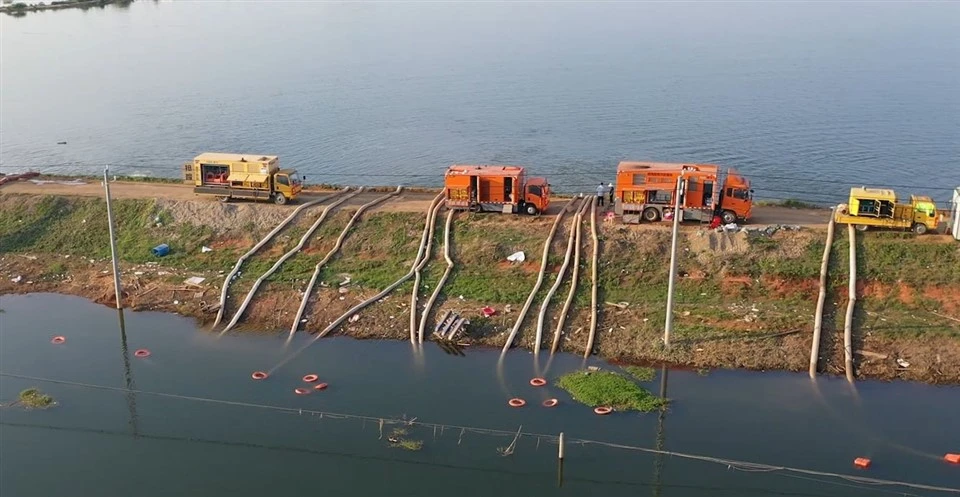

For example, if you're transporting a mobile pump station from one state to another in the US, you need to be aware of the different weight limits, speed limits, and safety requirements in each state. Failure to comply with these regulations can result in fines or even the impoundment of your vehicle.
Cost of Transportation
Last but not least, the cost of transporting mobile pump stations can be a significant limitation. As I mentioned earlier, getting special permits, dealing with regulatory requirements, and using alternative transportation methods like helicopters all cost money.
Fuel costs are also a major factor, especially for long - distance transportation. The large engines on the trucks or trailers that carry the pump stations guzzle a lot of fuel. And if you need to transport the pump station quickly, you might have to pay extra for expedited shipping or for using more expensive transportation methods.
For a small business or a local government with a tight budget, the high cost of transporting a mobile pump station might make it unfeasible to respond to a water - related emergency in a timely manner.
Despite these limitations, mobile pump stations are still incredibly valuable tools. They can save lives and property in many situations. At our company, we're always looking for ways to overcome these transportation challenges. Whether it's through better design to reduce size and weight, or by working with transportation partners to find more cost - effective and reliable ways to move the equipment.
If you're in the market for a mobile pump station and want to learn more about how we can help you navigate these transportation limitations, don't hesitate to reach out. We're here to answer your questions and work with you to find the best solution for your needs. Contact us for a detailed discussion and let's start the procurement process.
References
- Industry reports on heavy equipment transportation
- Case studies on the use of mobile pump stations in emergency situations