


When it comes to using a mobile pump station, one of the critical factors that significantly influences its performance is the fluid viscosity. As a seasoned supplier of mobile pump stations, I've witnessed firsthand how the viscosity of the fluid being pumped can make or break the efficiency and longevity of these vital pieces of equipment. In this blog, we'll delve into the requirements for fluid viscosity when using a mobile pump station, exploring why it matters, how it affects pump operation, and what you need to consider to ensure optimal performance.
Understanding Fluid Viscosity
Before we dive into the specific requirements for fluid viscosity in a mobile pump station, it's essential to understand what viscosity is and how it's measured. Viscosity refers to a fluid's resistance to flow. Think of it as the thickness or stickiness of a liquid. Fluids with high viscosity, such as honey or motor oil, flow slowly and are more resistant to movement, while fluids with low viscosity, like water or gasoline, flow easily and have less resistance.
Viscosity is typically measured in units called centipoise (cP) or centistokes (cSt). Centipoise measures the absolute viscosity of a fluid, while centistokes measures the kinematic viscosity, which takes into account the fluid's density. The higher the viscosity value, the thicker the fluid and the more resistance it offers to flow.
Why Viscosity Matters in Mobile Pump Stations
The viscosity of the fluid being pumped has a profound impact on the performance and efficiency of a mobile pump station. Here are some key reasons why viscosity matters:
Pump Efficiency
The efficiency of a pump is directly related to the viscosity of the fluid it's pumping. As the viscosity of the fluid increases, the pump has to work harder to move the fluid through the system. This increased workload can lead to a decrease in pump efficiency, resulting in higher energy consumption and increased operating costs. In some cases, if the viscosity is too high, the pump may not be able to generate enough pressure to move the fluid at the desired flow rate, leading to reduced performance or even pump failure.
Pump Wear and Tear
High-viscosity fluids can also cause increased wear and tear on the pump components. The thick, sticky nature of these fluids can cause more friction and abrasion as they flow through the pump, leading to premature wear of the impeller, seals, and other internal parts. This can result in frequent maintenance and replacement of pump components, increasing downtime and maintenance costs.
Flow Characteristics
The viscosity of the fluid can also affect the flow characteristics of the pump system. High-viscosity fluids tend to have a more laminar flow pattern, which means they flow in smooth, parallel layers. This can lead to issues such as poor mixing, uneven distribution of the fluid, and increased pressure drop in the system. On the other hand, low-viscosity fluids have a more turbulent flow pattern, which can help to improve mixing and reduce pressure drop.
Requirements for Fluid Viscosity in Mobile Pump Stations
So, what are the specific requirements for fluid viscosity when using a mobile pump station? The answer depends on several factors, including the type of pump, the application, and the operating conditions. Here are some general guidelines to consider:
Pump Type
Different types of pumps are designed to handle different viscosity ranges. For example, centrifugal pumps are typically best suited for low to medium viscosity fluids, while positive displacement pumps, such as gear pumps and screw pumps, are better able to handle high viscosity fluids. When selecting a mobile pump station, it's important to choose a pump type that is compatible with the viscosity of the fluid you'll be pumping.
Application
The application for which the mobile pump station is being used also plays a role in determining the acceptable viscosity range. For example, in applications where the fluid needs to be pumped over long distances or through small diameter pipes, a lower viscosity fluid may be required to ensure adequate flow and minimize pressure drop. On the other hand, in applications where the fluid needs to be pumped at high pressures or where a high degree of accuracy is required, a higher viscosity fluid may be more suitable.
Operating Conditions
The operating conditions, such as temperature and pressure, can also affect the viscosity of the fluid. In general, the viscosity of a fluid decreases as the temperature increases and increases as the pressure increases. Therefore, it's important to consider the operating temperature and pressure when determining the acceptable viscosity range for a mobile pump station. If the operating conditions are likely to cause significant changes in the fluid viscosity, it may be necessary to select a pump that can handle a wider range of viscosities or to implement measures to control the temperature and pressure of the fluid.
Considerations for High-Viscosity Fluids
If you need to pump high-viscosity fluids using a mobile pump station, there are several additional considerations to keep in mind:
Pump Selection
As mentioned earlier, positive displacement pumps are generally better suited for high-viscosity fluids than centrifugal pumps. When selecting a positive displacement pump, it's important to choose a pump with a design that is specifically optimized for high-viscosity applications. This may include features such as a larger impeller diameter, a slower rotational speed, and a more robust construction to withstand the increased wear and tear.
Heating and Insulation
In some cases, it may be necessary to heat the high-viscosity fluid to reduce its viscosity and improve its flow characteristics. This can be achieved using a heating system, such as an electric heater or a steam heater, installed in the pump system. Additionally, insulating the pump and piping can help to maintain the temperature of the fluid and prevent it from cooling down and becoming more viscous.
System Design
The design of the pump system can also have a significant impact on the performance of the pump when pumping high-viscosity fluids. It's important to use larger diameter pipes and fittings to reduce the pressure drop and minimize the resistance to flow. Additionally, the pump should be installed as close to the fluid source as possible to reduce the length of the suction line and minimize the risk of cavitation.
Considerations for Low-Viscosity Fluids
While low-viscosity fluids are generally easier to pump than high-viscosity fluids, there are still some considerations to keep in mind:
Pump Sealing
Low-viscosity fluids can be more prone to leakage than high-viscosity fluids, especially if the pump seals are not properly designed or maintained. It's important to choose a pump with high-quality seals that are specifically designed for low-viscosity applications. Additionally, regular maintenance and inspection of the seals can help to prevent leakage and ensure the long-term reliability of the pump.
Cavitation
Cavitation is a phenomenon that can occur when the pressure in the pump suction line drops below the vapor pressure of the fluid, causing the fluid to vaporize and form bubbles. These bubbles can then collapse when they reach a higher pressure area in the pump, causing damage to the impeller and other internal components. Low-viscosity fluids are more prone to cavitation than high-viscosity fluids, so it's important to ensure that the pump is properly sized and installed to prevent cavitation from occurring.
Conclusion
In conclusion, the viscosity of the fluid being pumped is a critical factor that can significantly impact the performance and efficiency of a mobile pump station. As a supplier of mobile pump stations, we understand the importance of selecting the right pump for the job and ensuring that it is properly installed and maintained to handle the specific viscosity requirements of the fluid. Whether you're pumping high-viscosity fluids like oil or low-viscosity fluids like water, we have the expertise and experience to help you choose the right mobile pump station for your application.
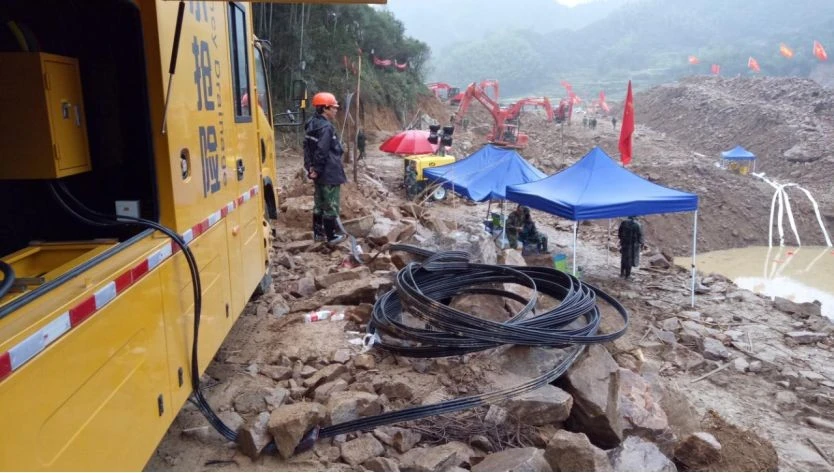
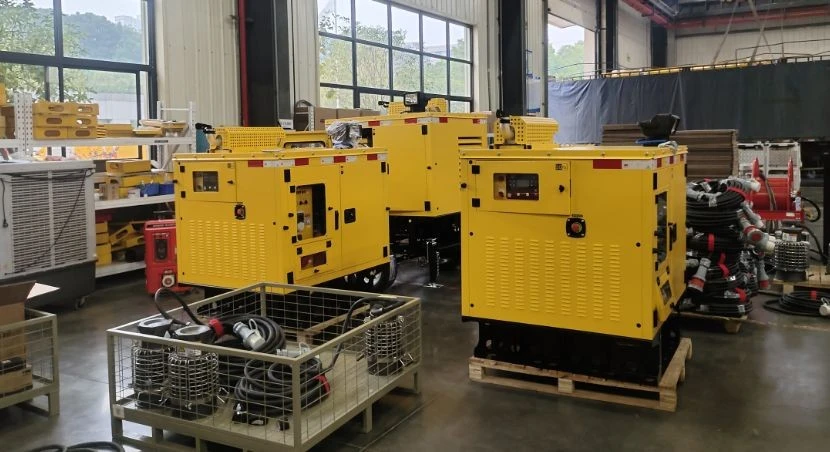
If you're in the market for a mobile pump station, we invite you to explore our range of products, including Mobile Flood Pump Trailer, Engineering Water Drainage Rescue Vehicles, and High-efficiency Mobile Pumping Stations. Our team of experts is available to answer any questions you may have and to help you select the right pump for your needs. Contact us today to learn more and to start the procurement process.
References
- Cheremisinoff, N. P. (2000). Pump Handbook. McGraw-Hill.
- Karassik, I. J., Messina, J. P., Cooper, P. T., & Heald, C. C. (2008). Pump Handbook. McGraw-Hill.
- Stepanoff, A. J. (1957). Centrifugal and Axial Flow Pumps: Theory, Design, and Application. Wiley.