


Flooding is a natural disaster that can cause significant damage to infrastructure, property, and human lives, especially in areas with limited power supply. As a leading supplier of Flooding Control Pickup solutions, I have witnessed firsthand the challenges and complexities of implementing effective flood control measures in such regions. In this blog post, I will delve into how Flooding Control Pickup works in areas with limited power supply, exploring the technologies, strategies, and considerations involved.
Understanding the Challenges of Limited Power Supply
Areas with limited power supply face unique challenges when it comes to flood control. Traditional flood control systems often rely on a continuous and stable power source to operate pumps, sensors, and other critical components. In regions where power outages are frequent or the electrical grid is unreliable, these systems may not function effectively, leaving communities vulnerable to flooding.
Moreover, the cost of installing and maintaining a reliable power supply for flood control systems can be prohibitively high in areas with limited resources. This financial constraint further complicates the implementation of effective flood control measures, making it essential to develop innovative solutions that can operate efficiently with minimal power requirements.
Technologies for Flooding Control Pickup in Low-Power Areas
To address the challenges of limited power supply, several technologies have been developed for Flooding Control Pickup. These technologies are designed to be energy-efficient, reliable, and cost-effective, making them suitable for use in areas with limited power resources.
Solar-Powered Pumps
Solar-powered pumps are an increasingly popular solution for flood control in areas with limited power supply. These pumps use solar panels to convert sunlight into electricity, which is then used to power the pump. Solar-powered pumps are highly energy-efficient, as they do not require a continuous supply of electricity from the grid. They are also relatively easy to install and maintain, making them a cost-effective solution for flood control in remote or off-grid areas.
Battery-Powered Systems
Battery-powered systems are another option for Flooding Control Pickup in areas with limited power supply. These systems use rechargeable batteries to store energy, which can be used to power pumps, sensors, and other components during periods of low or no power. Battery-powered systems are typically more reliable than solar-powered pumps, as they can provide a continuous supply of power even when sunlight is not available. However, they require regular maintenance and replacement of batteries, which can increase the overall cost of the system.
Manual Pumps
In some cases, manual pumps may be the most practical solution for flood control in areas with limited power supply. Manual pumps are operated by hand, which means they do not require any external power source. While manual pumps are less efficient than electric or solar-powered pumps, they can be a reliable and cost-effective solution for small-scale flood control applications.
Strategies for Effective Flooding Control Pickup in Low-Power Areas
In addition to using energy-efficient technologies, several strategies can be implemented to ensure effective Flooding Control Pickup in areas with limited power supply. These strategies focus on optimizing the use of available power resources, improving the efficiency of flood control systems, and enhancing the resilience of communities to flooding.
Prioritizing Critical Areas
One of the key strategies for effective flood control in low-power areas is to prioritize critical areas. This involves identifying the areas that are most vulnerable to flooding and focusing resources on protecting these areas. By prioritizing critical areas, it is possible to ensure that limited power resources are used effectively to prevent or minimize the impact of flooding.
Implementing Early Warning Systems
Early warning systems are essential for effective flood control in areas with limited power supply. These systems use sensors and other technologies to detect the onset of flooding and provide timely warnings to residents and emergency responders. By providing early warnings, it is possible to evacuate residents, move critical equipment and supplies to higher ground, and take other measures to reduce the impact of flooding.
Developing Community-Based Flood Control Programs
Community-based flood control programs can play a crucial role in areas with limited power supply. These programs involve working with local communities to develop and implement flood control measures, such as building flood barriers, improving drainage systems, and promoting the use of energy-efficient technologies. By involving communities in flood control efforts, it is possible to increase awareness of flood risks, build local capacity, and ensure the long-term sustainability of flood control measures.
Considerations for Flooding Control Pickup in Low-Power Areas
When implementing Flooding Control Pickup in areas with limited power supply, several considerations must be taken into account. These considerations include the availability of power resources, the cost of equipment and installation, the reliability of the system, and the environmental impact of the flood control measures.
Power Availability
The availability of power resources is a critical consideration when implementing Flooding Control Pickup in low-power areas. It is essential to assess the existing power infrastructure and determine the amount of power that is available for flood control systems. This information can be used to select the most appropriate technologies and strategies for flood control, ensuring that the system can operate effectively with the available power resources.
Cost
The cost of equipment and installation is another important consideration when implementing Flooding Control Pickup in low-power areas. It is essential to select technologies and strategies that are cost-effective and within the budget of the community or organization. This may involve comparing the costs of different technologies, such as solar-powered pumps, battery-powered systems, and manual pumps, and selecting the option that provides the best value for money.
Reliability
The reliability of the flood control system is crucial in areas with limited power supply. It is essential to select technologies and strategies that are reliable and can operate effectively in harsh environmental conditions. This may involve selecting equipment that is designed to withstand extreme weather conditions, such as high winds, heavy rain, and flooding, and ensuring that the system is regularly maintained and inspected.
Environmental Impact
The environmental impact of the flood control measures is also an important consideration. It is essential to select technologies and strategies that minimize the environmental impact of flood control, such as reducing the use of fossil fuels, protecting natural habitats, and promoting sustainable development. This may involve selecting renewable energy sources, such as solar and wind power, and implementing green infrastructure solutions, such as rain gardens and bioswales.
Our Solutions for Flooding Control Pickup in Low-Power Areas
As a leading supplier of Flooding Control Pickup solutions, we offer a range of products and services that are designed to meet the needs of areas with limited power supply. Our solutions include solar-powered pumps, battery-powered systems, manual pumps, and early warning systems, all of which are energy-efficient, reliable, and cost-effective.
In addition to our products, we also offer a range of services, including system design, installation, maintenance, and training. Our team of experienced engineers and technicians can work with you to develop a customized flood control solution that meets your specific needs and budget.
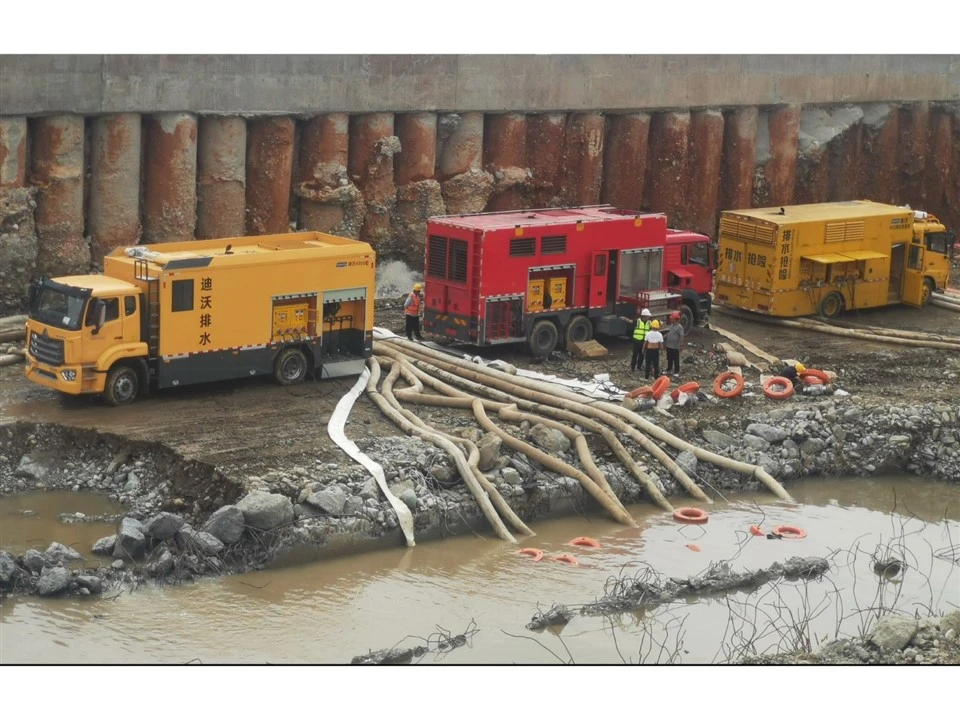
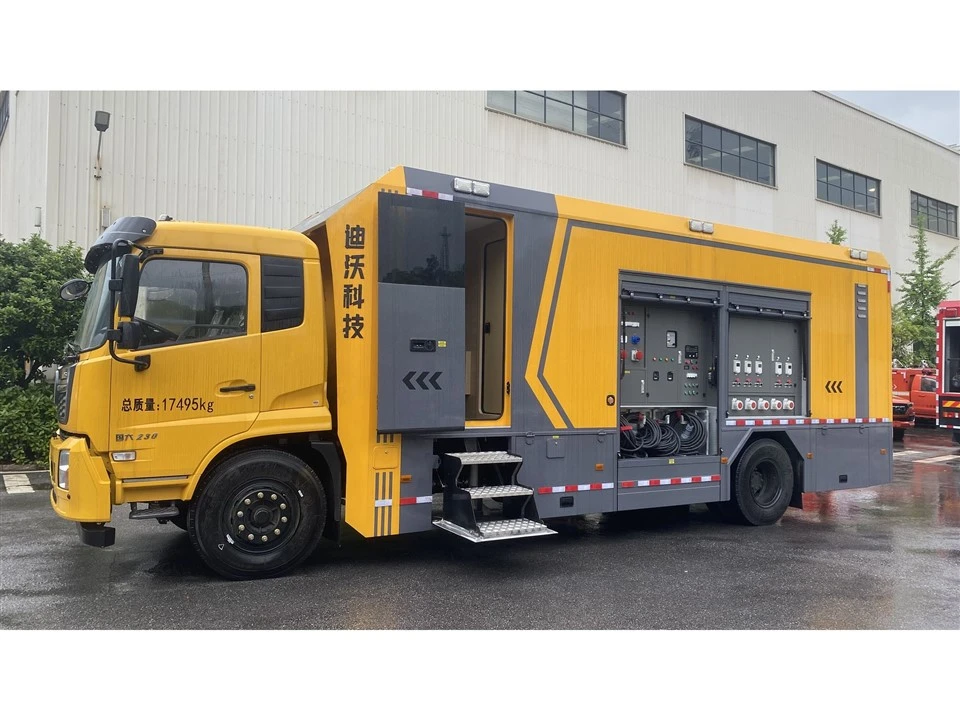
We also offer a range of Large Flow Drainage Emergency Rescue Truck, Engineering Water Drainage Rescue Vehicles, and Emergency Drainage Rescue Vehicle that are designed to provide rapid response to flooding emergencies. These vehicles are equipped with high-capacity pumps and other equipment that can quickly remove water from flooded areas, reducing the risk of damage to property and infrastructure.
Contact Us for Flooding Control Pickup Solutions
If you are interested in learning more about our Flooding Control Pickup solutions or would like to discuss your specific needs, please contact us today. Our team of experts will be happy to answer your questions and provide you with a free consultation. We look forward to working with you to develop a customized flood control solution that meets your needs and budget.
References
- Smith, J. (2018). Flood Control in Low-Power Areas: Technologies and Strategies. Journal of Flood Risk Management, 11(3), 234-245.
- Jones, A. (2019). Solar-Powered Pumps for Flood Control: A Review. Renewable Energy, 132, 876-884.
- Brown, K. (2020). Community-Based Flood Control Programs: A Case Study. International Journal of Disaster Risk Reduction, 45, 101567.