


Hey there! As a supplier of drainage pump vehicles, I've seen my fair share of issues with these machines. In this blog, I'll talk about some common problems you might run into with drainage pump vehicles and how to solve them.
Lack of Suction
One of the most common problems with drainage pump vehicles is a lack of suction. This can be a real pain in the neck, especially when you're trying to get rid of water quickly. There are a few reasons why this might happen.
First off, the intake hose could be blocked. Debris like leaves, twigs, or even small rocks can get stuck in the hose, preventing water from flowing in. To fix this, you'll need to shut down the pump and check the intake hose. Remove any blockages you find. It's a good idea to have a regular inspection of the intake hose to catch these blockages early.
Another reason for poor suction could be a leak in the suction line. Even a small leak can reduce the pump's ability to create a strong vacuum. Check all the connections in the suction line for signs of leakage. If you find a leak, tighten the connections or replace any damaged gaskets. Sometimes, the suction line might be damaged itself. In that case, you'll need to replace the section of the line that's causing the problem.
Overheating
Overheating is another big issue with drainage pump vehicles. When a pump overheats, it can lead to serious damage and even a complete breakdown. There are a few things that can cause overheating.
One common cause is a lack of proper ventilation. Make sure that the area around the pump is clear of any obstructions. The pump needs to be able to breathe, so to speak. If the pump is in an enclosed space, consider adding some ventilation fans to keep the air flowing.
Another cause of overheating can be a problem with the cooling system. Most drainage pump vehicles have a cooling system that helps regulate the temperature. Check the coolant level regularly. If it's low, add more coolant according to the manufacturer's instructions. Also, make sure that the cooling fins on the pump are clean. Dirt and debris can build up on the fins, reducing their ability to dissipate heat. Use a soft brush to clean the fins gently.
Electrical Problems
Electrical problems can be a real headache when it comes to drainage pump vehicles. A faulty electrical system can cause the pump to stop working or even pose a safety hazard.
One common electrical issue is a blown fuse. If the pump suddenly stops working, check the fuses. Replace any blown fuses with the correct amperage. It's a good idea to keep a few spare fuses on hand in case this happens.
Another problem could be a loose or corroded electrical connection. Check all the electrical connections in the pump for signs of looseness or corrosion. If you find a loose connection, tighten it. If there's corrosion, clean the connection with a wire brush and apply some electrical contact cleaner.
Noise and Vibration
Excessive noise and vibration can be a sign that something is wrong with the drainage pump vehicle. These issues can not only be annoying but can also indicate a more serious problem.
One cause of noise and vibration could be an unbalanced impeller. The impeller is a key part of the pump that helps move the water. If it's unbalanced, it can cause the pump to vibrate and make a lot of noise. To fix this, you'll need to have the impeller balanced by a professional.
Another reason could be a problem with the pump's mounting. Make sure that the pump is securely mounted to its base. If it's loose, tighten the mounting bolts. Sometimes, the base itself might be uneven. In that case, you'll need to level the base to reduce the vibration.
Solutions and Product Recommendations
Now that we've talked about some of the common problems, let's look at some solutions and product recommendations.

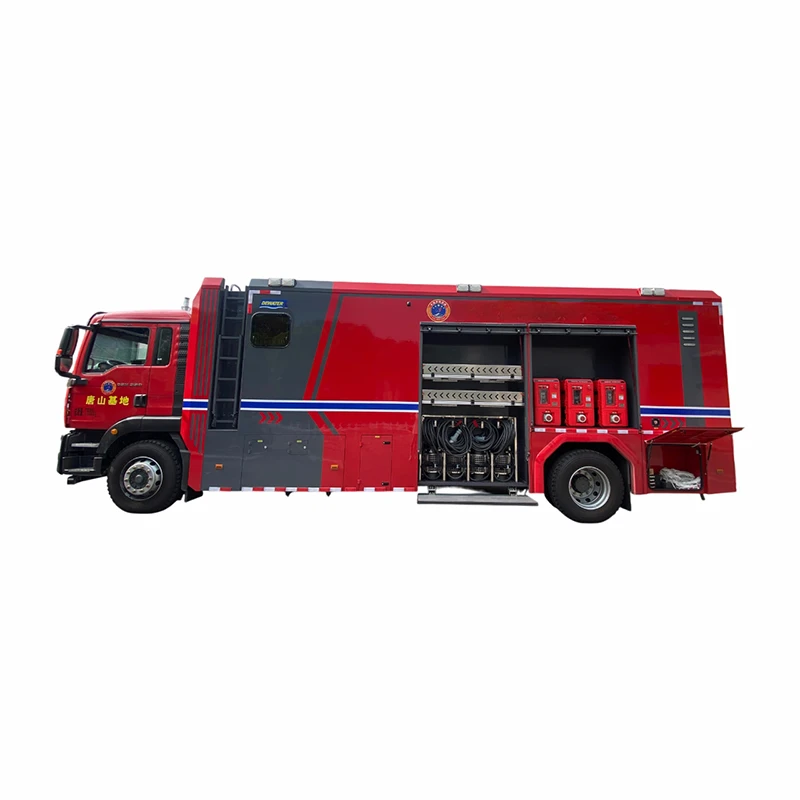
If you're in the market for a new drainage pump vehicle, we offer some great options. Our Mobile Flood Pump Trailer is a great choice for quick and easy water removal. It's highly portable and can be easily towed to the site where you need it.
For larger-scale operations, our High-efficiency Mobile Pumping Stations are a great option. These stations are designed to handle large volumes of water quickly and efficiently.
And if you need a vehicle for emergency drainage rescue, our Emergency Drainage Rescue Vehicle is the way to go. It's equipped with all the necessary features to handle emergency situations.
Conclusion
In conclusion, while drainage pump vehicles can have their fair share of problems, most of these issues can be easily solved with some basic maintenance and troubleshooting. By keeping an eye on the common problems we've discussed and taking proactive steps to address them, you can ensure that your drainage pump vehicle runs smoothly and efficiently.
If you're interested in purchasing a drainage pump vehicle or have any questions about our products, feel free to reach out. We're here to help you find the right solution for your needs.
References
- Manufacturer's manuals for drainage pump vehicles
- Industry best practices for pump maintenance and troubleshooting