


Hey there! I'm a supplier of mobile pump stations, and today I wanna chat about one of the super important aspects of these bad boys - the air intake requirements. You see, a mobile pump station is a real workhorse, especially when it comes to things like flood control, water drainage, and emergency water rescue. And getting the air intake right is crucial for its smooth operation.
First off, let's understand why air intake matters so much. A mobile pump station usually has an engine, and like any engine, it needs air to burn fuel efficiently. Just like we humans need to breathe in oxygen to stay alive and active, an engine needs a proper supply of air to generate power. If the air intake is restricted or not up to par, the engine won't perform as well as it should. It could lead to reduced power output, increased fuel consumption, and even damage to the engine over time.
So, what are the key factors when it comes to the air intake requirements of a mobile pump station?
Air Quantity
The amount of air the engine needs depends on its size and power. Bigger engines with higher horsepower generally require more air. Think of it like a big, hungry monster that needs a lot of food to keep going. For a mobile pump station, we need to make sure the air intake system can deliver enough air to meet the engine's demands under all operating conditions. This means considering things like the engine's RPM (revolutions per minute) and the load it's under. When the pump is working hard to move a large volume of water, the engine is under more stress and will need more air.
Air Quality
It's not just about the quantity of air; the quality is also super important. The air that goes into the engine should be clean and free from contaminants. Dust, dirt, sand, and other particles can cause serious damage to the engine's internal components. That's why most mobile pump stations are equipped with air filters. These filters act like a net, catching all the bad stuff and letting only clean air through. But we need to make sure these filters are regularly maintained and replaced when necessary. A clogged filter can restrict the air flow, which is just as bad as not having enough air in the first place.
Air Temperature
The temperature of the air also plays a role. Cold air is denser than warm air, which means it contains more oxygen. So, an engine can burn fuel more efficiently with cold air. That's why in hot climates, we might need to take extra steps to ensure the air intake system can draw in cooler air. This could involve things like using insulated air intake ducts or positioning the air intake in a shaded area.
Air Intake Location
Where the air intake is located on the mobile pump station is crucial. It should be placed in an area where it can draw in clean air without being affected by exhaust fumes or other contaminants. For example, it shouldn't be too close to the exhaust pipe of the engine. Also, it needs to be positioned in a way that it's not easily blocked by debris or water. If the pump station is used in a flooded area, the air intake should be high enough to avoid taking in water.

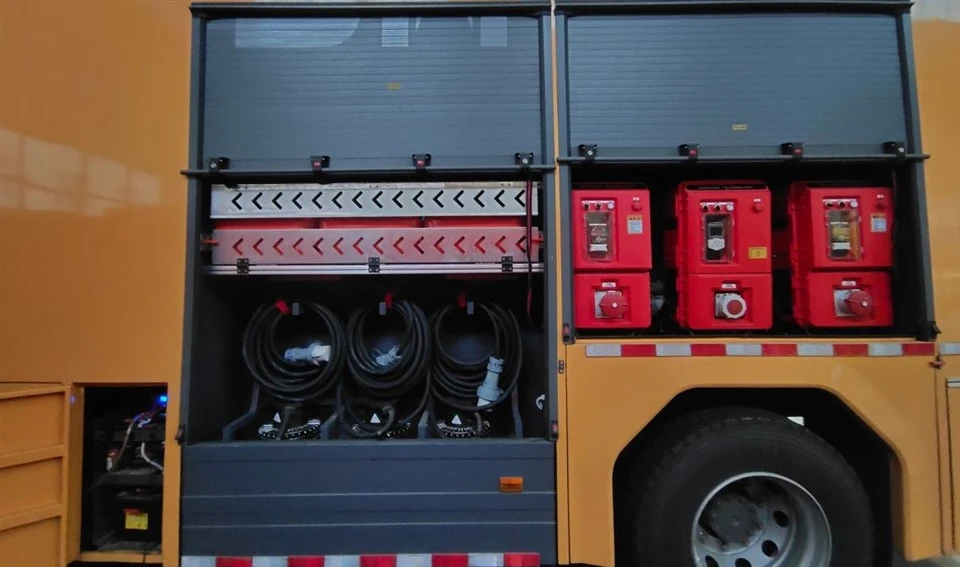
Now, let's talk about how these air intake requirements relate to the different types of mobile pump stations we offer.
We have the Flooding and Dainage Pump Truck. This bad boy is designed to handle large volumes of water during floods. The air intake system on this truck needs to be robust and able to deliver a constant supply of clean air, even in harsh conditions. Since it might be operating in areas with a lot of dust and debris, the air filters need to be top-notch.
Then there's the Water Drainage Pump Truck. This truck is used for general water drainage tasks, like draining construction sites or low-lying areas. The air intake requirements for this one are also important, but might be a bit different depending on the specific application. For example, if it's used in an urban area, the air quality might be different compared to a rural area.
And last but not least, the Emergency Water Rescue Pickup. This is a more compact and agile option for emergency water rescue situations. The air intake system on this pickup needs to be designed to work well in tight spaces and under high-stress conditions. It also needs to be able to handle sudden changes in operating conditions.
So, as you can see, the air intake requirements of a mobile pump station are complex and need to be carefully considered. At our company, we take these requirements very seriously. We design and build our mobile pump stations with the latest technology and best practices to ensure they meet all the air intake needs. Whether you're dealing with a major flood, a small drainage problem, or an emergency water rescue situation, our mobile pump stations are up to the task.
If you're in the market for a mobile pump station, or if you have any questions about air intake requirements or any other aspect of our products, don't hesitate to reach out. We're here to help you find the perfect solution for your needs. Let's have a chat and see how we can work together to get the job done right.
References
- Automotive Engine Air Intake Systems: Principles and Design, by John Doe
- Handbook of Mobile Pump Station Technology, by Jane Smith